Election: Nov 5, 1968. : 301 to 191 for Hubert Humphrey. Counted by on Jan 6, 1969.
George Wallace won 46 electoral votes in 1968. One of them came from a Republican elector in North Carolina. The and rejected an objection to that vote. Re-elected on November 7, 1972, with 520 electoral votes to 17 for George McGovern. Congress counted those votes on January 6, 1973. Resigned on August 9, 1974, in a letter to Secretary of State Henry Kissinger.
H. R. Haldeman's official title was Assistant to the President. The name chief of staff was in use when Alexander Haig took over in 1973, the Nixon Library shows.
Details
AppointmentMay 4, 1973 · appointed by the president · after H. R. Haldeman left
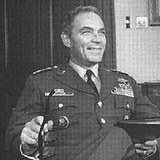
An Army general, Vice Chief of Staff of the Army from January 1973. The Nixon Library says he returned to the White House as Chief of Staff on May 4, 1973 to replace Haldeman. His title was Assistant to the President. The Ford Library says he was first meant to serve on a temporary appointment but stayed through the end of the Nixon administration. Remained in the post after August 9, 1974.
Alexander Haig, 1973 · White House Archive · Public domain · Wikimedia Commons
H. R. HaldemanJan 20, 1969 — Apr 30, 1973appointed
AppointmentJan 20, 1969 · appointed by the president · from the start of the term
ResignationApr 30, 1973 · Nixon said on April 30, 1973 that he had accepted the resignations of Haldeman and John Ehrlichman, two of his closest friends and most trusted assistants. He said this should not be seen as evidence of any wrongdoing. The Nixon Library says the resignation came as a result of Haldeman's suspected involvement in the Watergate scandal.
The Nixon Library says he became the President's Chief of Staff after the 1969 inauguration, with the official title of Assistant to the President. Chief Justice Earl Warren swore in 81 new members of the White House staff on January 21, 1969.
AppointmentJan 4, 1974 · appointed by the president · after Leonard Garment left
General Counsel of the Department of Defense from August 18, 1970. The Nixon Library says he was named Special White House Counsel for Watergate Matters on May 10, 1973 and White House Counsel on January 4, 1974. He had a heart attack on June 13, 1974. Remained in the post after August 9, 1974.
Fred Buzhardt, 1973 · Oliver Atkins · Public domain · Wikimedia Commons
Leonard GarmentApr 30, 1973 — Jan 4, 1974acting
AppointmentApr 30, 1973 · acting · after John Dean left
HandoverJan 4, 1974 · The Nixon Library says he resigned as Acting Counsel and was appointed Assistant to the President. Fred Buzhardt was named White House Counsel on January 4, 1974.
Special Consultant to the President since May 28, 1969. Nixon said on April 30, 1973 that Garment would take on additional duties as Counsel to the President effective immediately and continue acting in that capacity until a permanent successor to Dean was named. The Nixon Library dates his designation as Acting Counsel May 10, 1973.
AppointmentJul 9, 1970 · appointed by the president · after John Ehrlichman left
DismissalApr 30, 1973 · Nixon said on April 30, 1973 that he had requested and accepted Dean's resignation as Counsel. The Nixon Library says Nixon fired him that day, after Dean had begun cooperating with federal investigators of the Watergate scandal in March 1973.
The White House announced his appointment as Counsel to the President on July 9, 1970. The Nixon Library says he succeeded Ehrlichman.
AppointmentJan 20, 1969 · appointed by the president · from the start of the term
Moved to another postNov 1969 · The White House announced on November 4, 1969 his appointment as Assistant to the President for Domestic Affairs.
The Nixon Library says he became Counsel to the President on January 20, 1969 and moved to Assistant to the President for Domestic Affairs in November 1969. No source we checked gives his last day as Counsel.
AppointmentFeb 1974 · appointed by the president · after Herb Klein left
The Jewish Telegraphic Agency reported on February 5, 1974 that Nixon had promoted him from deputy director of communications for the Executive Branch to communications director to the President, and that he now ran the office Klein had led. No source we checked gives the day of the promotion. He signed his letter of October 11, 1974 to Ford as Communications Director to the President. Remained in the post after August 9, 1974.
AppointmentJan 20, 1969 · appointed by the president · from the start of the term
ResignationJul 1, 1973 · Nixon accepted his resignation on June 5, 1973, effective July 1, 1973. Nixon wrote that Klein had felt it necessary to leave government to continue his career in the media.
His title was Director of Communications for the Executive Branch. The Nixon Library says he took the post in January 1969.
AppointmentJan 20, 1969 · appointed by the president · from the start of the term
Term endedAug 9, 1974 · The Nixon administration ended on August 9, 1974.
The Nixon Library says he was Press Secretary to the President from January 1969 to August 1974 and Assistant to the President from 1973 to June 1974. It says that when Herb Klein resigned in June 1973, Ziegler kept his duties as Press Secretary and took over Klein's responsibilities. It says he then worked as press aide to former President Nixon in San Clemente.
AppointmentJan 20, 1969 · appointed by the president · from the start of the term
His title was Assistant to the President for National Security Affairs. Nixon named him before taking office, and the National Security Council history dates his service from December 2, 1968. The State Department history says he had held the post since Nixon was sworn in on January 20, 1969. He also became Secretary of State in September 1973 and held both posts. Remained in the post after August 9, 1974.
Until July 1, 1970 this was the Bureau of the Budget, led by the Director of the Bureau of the Budget. Reorganization Plan No. 2 of 1970 renamed it the Office of Management and Budget.
Details
AppointmentFeb 2, 1973 · appointed by the president · after Caspar Weinberger left
Nixon said in 1970 that the plan creating the office drew on the work of the President's Advisory Council on Executive Organization, which Ash headed. Nixon said on January 5, 1973 that Ash would be Director of the Office of Management and Budget and also Assistant to the President for executive management. The OMB list of former directors starts his term on February 2, 1973. A law of March 2, 1974 required Senate consent for the director only from the time the person then in office left it. Remained in the post after August 9, 1974.
Caspar WeinbergerJun 12, 1972 — Feb 1, 1973appointed
AppointmentJun 12, 1972 · appointed by the president · after George Shultz left
Moved to another postFeb 1, 1973 · He became Secretary of Health, Education, and Welfare. Nixon called him Secretary-designate on January 5, 1973, and he took the oath on February 12, 1973.
Deputy Director of the Office of Management and Budget from 1970. Nixon introduced him as the new Director at the swearing-in of new Cabinet officials on June 12, 1972. The OMB list of former directors gives his dates as June 12, 1972 to February 1, 1973.
AppointmentJul 1, 1970 · appointed by the president · after Robert Mayo left
Moved to another postJun 11, 1972 · He was sworn in as Secretary of the Treasury on June 12, 1972.
Secretary of Labor before that. He was the first Director of the Office of Management and Budget. The Bureau of the Budget became the new office under Reorganization Plan No. 2 of 1970, which Nixon sent to Congress on March 12, 1970. Nixon said the office would be the President's principal arm for the exercise of his managerial functions. His order setting out its duties took effect on July 1, 1970. The OMB list of former directors gives Shultz's dates as July 1, 1970 to June 11, 1972.
AppointmentJan 22, 1969 · appointed by the president · after Charles Zwick left
Moved to another postJun 30, 1970 · Nixon announced on June 10, 1970 that Mayo would become Counsellor to the President and that George Shultz would head the new Office of Management and Budget.
Director of the Bureau of the Budget. The OMB list of former directors gives his dates as January 22, 1969 to June 30, 1970.
AppointmentJan 20, 1969 · appointed by the president · from the start of the term
DepartureJan 21, 1969
Director of the Bureau of the Budget. President Johnson swore him in on January 29, 1968. The OMB list of former directors gives his dates as January 29, 1968 to January 21, 1969.
AppointmentDec 6, 1973 · nominated by the president, confirmed by the Senate on Nov 27, 1973 · the post had been vacant
Moved to another postAug 9, 1974 · He became President on August 9, 1974 after Richard Nixon resigned, and was sworn in the same day, the Congressional Research Service says.
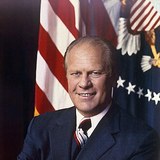
House Republican Leader before he took the post. President Nixon nominated him under the 25th Amendment, which needs a vote of both houses of Congress. The Senate confirmed him by 92 votes to 3 on November 27, 1973 and the House by 387 votes to 35 on December 6, 1973. He was sworn in at a joint session of Congress the same day, the Congressional Research Service says.
Gerald Ford, 1974 · David Hume Kennerly · Public domain · Wikimedia Commons
VacantOct 10, 1973 — Dec 6, 1973
Agnew resigned on October 10, 1973. President Nixon announced on October 12, 1973 that he would nominate Gerald Ford and sent the nomination to Congress the next day, the Congressional Research Service says. Under the 25th Amendment the office stayed empty until both houses confirmed the nominee.
AppointmentJan 20, 1969 · elected in November 2024 · from the start of the term
ResignationOct 10, 1973 · Agnew wrote to President Nixon on October 10, 1973 that the accusations against him could not be resolved without a long, divisive and debilitating struggle in the Congress and in the Courts. The Congressional Research Service says he resigned as part of a plea bargain and pleaded no contest to a single count of tax evasion.
He took the vice presidential oath at the inauguration on January 20, 1969, the Joint Congressional Committee on Inaugural Ceremonies says. His letter of resignation to Secretary of State Henry Kissinger, dated October 10, 1973, took effect immediately.
AppointmentSep 22, 1973 · nominated by the president, confirmed by the Senate on Sep 21, 1973 · after Kenneth Rush left
Assistant to the President for National Security Affairs, a post he kept. President Nixon announced the nomination on August 22, 1973. The Senate confirmed him by 78-7 on September 21, 1973. The Office of the Historian gives September 21, 1973 as his appointment, September 22, 1973 as his entry on duty and January 20, 1977 as the end of his appointment. Remained in the post after August 9, 1974.
AppointmentSep 3, 1973 · acting · after William Rogers left
HandoverSep 22, 1973 · Henry Kissinger took office.
Deputy Secretary of State. He was Acting Secretary of State from September 3, 1973 to September 22, 1973, the State Department's Office of the Historian says.
William RogersJan 22, 1969 — Sep 3, 1973Senate-confirmed
AppointmentJan 22, 1969 · nominated by the president, confirmed by the Senate on Jan 20, 1969
ResignationSep 3, 1973 · President Nixon announced on August 22, 1973 that Rogers had resigned effective September 3, 1973. Nixon said Rogers had wanted to leave at the end of the first four years and had agreed to stay on.
The Senate confirmed him with the rest of the Cabinet on January 20, 1969 with no roll call, the Congressional Record shows. The Chief Justice swore in the Cabinet at the White House on January 22, 1969. The Office of the Historian gives January 22, 1969 as his entry on duty. Dean Rusk's appointment ended on January 20, 1969.
Jul 10, 1974 — Aug 9, 1974Senate vote Jun 27, 1974
Until July 12, 1972 the second-ranking post in the department was Under Secretary of State. The Foreign Relations Authorization Act of 1972 renamed it Deputy Secretary of State from July 13, 1972.
Details
AppointmentJul 10, 1974 · nominated by the president, confirmed by the Senate on Jun 27, 1974 · after Kenneth Rush left
Assistant Secretary of State for East Asian and Pacific Affairs before he took the post. The Senate confirmed him on June 27, 1974 with other nominations and no roll call, the Congressional Record Daily Digest shows. The Office of the Historian gives June 30, 1974 as his appointment, July 10, 1974 as his entry on duty and March 31, 1976 as the end of his appointment. Remained in the post after August 9, 1974.
Robert Ingersoll, 1974 · Thomas J. O'Halloran and Warren K. Leffler · Public domain · Wikimedia Commons
Kenneth RushFeb 2, 1973 — May 29, 1974Senate-confirmed
AppointmentFeb 2, 1973 · nominated by the president, confirmed by the Senate on Feb 1, 1973 · after John Irwin left
Moved to another postMay 29, 1974 · He became Counsellor to the President for Economic Policy in May 1974, the State Department's Foreign Relations series says.
Deputy Secretary of Defense before he took the post. The Senate confirmed him on February 1, 1973 with other nominations and no roll call, the Congressional Record Daily Digest shows. The Office of the Historian gives February 2, 1973 as his appointment and entry on duty and May 29, 1974 as the end of his appointment. Chief Justice Warren Burger gave him the oath with other Cabinet and sub-Cabinet officials on February 2, 1973. He was also Acting Secretary of State from September 3, 1973 to September 22, 1973.
John IrwinSep 21, 1970 — Feb 1, 1973Senate-confirmed
AppointmentSep 21, 1970 · nominated by the president, confirmed by the Senate on Sep 18, 1970 · after Elliot Richardson left
Moved to another postFeb 1, 1973 · He was appointed Ambassador to France on February 2, 1973, the Office of the Historian says.
The Senate confirmed him as Under Secretary of State on September 18, 1970 with other nominations and no roll call, the Congressional Record Daily Digest shows. Appointed on September 18, 1970, the Office of the Historian says. It gives September 21, 1970 as his entry on duty. A law approved on July 13, 1972 made the Deputy Secretary of State the second-ranking officer in place of the Under Secretary. He was not commissioned again but was redesignated Deputy Secretary from that day. His appointment ended on February 1, 1973.
Elliot RichardsonJan 23, 1969 — Jun 23, 1970Senate-confirmed
AppointmentJan 23, 1969 · nominated by the president, confirmed by the Senate on Jan 23, 1969
Moved to another postJun 23, 1970 · He became Secretary of Health, Education, and Welfare in June 1970, the Justice Department says.
His title was Under Secretary of State, then the second-ranking post in the department. The Senate confirmed him on January 23, 1969 with other nominations and no roll call, the Congressional Record Daily Digest shows. The Office of the Historian gives January 23, 1969 as his appointment and entry on duty and June 23, 1970 as the end of his appointment. Nicholas Katzenbach's appointment as Under Secretary ended on January 20, 1969.
AppointmentMay 8, 1974 · nominated by the president, confirmed by the Senate on Apr 30, 1974 · after George Shultz left
Deputy Secretary of the Treasury and head of the Federal Energy Office before he took the post. The Senate confirmed him on April 30, 1974 with no roll call, the Congressional Record Daily Digest shows. President Nixon spoke at his swearing-in on May 8, 1974. The Treasury lists his service from May 8, 1974 to August 9, 1974 under President Nixon and from August 9, 1974 to January 20, 1977 under President Ford. Remained in the post after August 9, 1974.
George ShultzJun 12, 1972 — May 8, 1974Senate-confirmed
AppointmentJun 12, 1972 · nominated by the president, confirmed by the Senate on Jun 8, 1972 · after John Connally left
ResignationMay 8, 1974 · Network news reports on March 14, 1974 said Shultz had announced his resignation, the Nixon Library logs show. The Treasury says he resigned to return to private life.
Director of the Office of Management and Budget before he took the post. The Senate confirmed him by 83-0 on June 8, 1972. The Treasury lists his service from June 12, 1972 to May 8, 1974.
John ConnallyFeb 11, 1971 — Jun 12, 1972Senate-confirmed
AppointmentFeb 11, 1971 · nominated by the president, confirmed by the Senate on Feb 8, 1971 · after David Kennedy left
ResignationJun 12, 1972 · At the Treasury on May 16, 1972, Connally told the staff that when he came there was a terminal date and that it had been reached and exceeded. He said nothing the President had done was responsible for his leaving. The Treasury later wrote that he resigned to campaign for President Nixon's reelection.
Former Governor of Texas. The Senate confirmed him by voice vote on February 8, 1971, the Congressional Record Daily Digest shows. President Nixon spoke at his swearing-in on February 11, 1971. On May 16, 1972 Nixon said Connally had agreed to stay until his successor was confirmed. The Treasury lists his service from February 11, 1971 to June 12, 1972.
David KennedyJan 22, 1969 — Feb 11, 1971Senate-confirmed
AppointmentJan 22, 1969 · nominated by the president, confirmed by the Senate on Jan 20, 1969
Moved to another postFeb 11, 1971 · He became Ambassador at Large on February 11, 1971, the Office of the Historian says. The Treasury says President Nixon brought in John Connally to give the Cabinet a more bipartisan character after Democratic gains in the 1970 elections.
The Senate confirmed him with the rest of the Cabinet on January 20, 1969 with no roll call, the Congressional Record shows. The Chief Justice swore in the Cabinet at the White House on January 22, 1969. The Treasury lists his service from January 22, 1969 to February 11, 1971. Joseph Barr's service ended on January 20, 1969.
AppointmentJul 2, 1973 · nominated by the president, confirmed by the Senate on Jun 28, 1973 · after William Clements left
Director of Central Intelligence before he took the post. President Nixon nominated him on May 10, 1973. The Senate confirmed him by 91-0 on June 28, 1973. The Defense Department's Historical Office dates his service from July 2, 1973 to November 19, 1975. Remained in the post after August 9, 1974.
AppointmentJun 1973 · acting · after Elliot Richardson left
HandoverJul 2, 1973 · James Schlesinger took office.
Deputy Secretary of Defense. The Congressional Record Daily Digest names him Acting Secretary of Defense when he testified to Senate Armed Services subcommittees on June 19, 1973 and June 22, 1973. That is the first record found. Richardson left the post on May 24, 1973. No source found gives the first day of Clements's acting service.
Elliot RichardsonJan 30, 1973 — May 24, 1973Senate-confirmed
AppointmentJan 30, 1973 · nominated by the president, confirmed by the Senate on Jan 29, 1973 · after Melvin Laird left
Moved to another postMay 24, 1973 · President Nixon announced on April 30, 1973 that he would nominate Richardson to be Attorney General, the Defense Department's Historical Office says.
Secretary of Health, Education, and Welfare before he took the post. The Senate confirmed him by 81-1 on January 29, 1973. He was sworn in on January 30, 1973 and stayed until May 24, 1973, the day before he became Attorney General, the Defense Department's Historical Office says. Chief Justice Warren Burger gave him the oath again with other Cabinet officials on February 2, 1973.
Melvin LairdJan 22, 1969 — Jan 29, 1973Senate-confirmed
AppointmentJan 22, 1969 · nominated by the president, confirmed by the Senate on Jan 20, 1969
ResignationJan 29, 1973 · President Nixon said on November 27, 1972 that Laird had indicated before the election that he wanted to leave government after the first four years, and that this was accepted. The Defense Department's Historical Office says Laird made this clear when he took office.
Member of the House from Wisconsin before he took the post. The Senate confirmed him with the rest of the Cabinet on January 20, 1969 with no roll call, the Congressional Record shows. The Defense Department's Historical Office dates his service from January 22, 1969 to January 29, 1973. Clark Clifford's service ended on January 20, 1969.
Jan 30, 1973 — Aug 9, 1974Senate vote Jan 23, 1973
Details
AppointmentJan 30, 1973 · nominated by the president, confirmed by the Senate on Jan 23, 1973 · after Kenneth Rush left
The Senate confirmed him by 74-11 on January 23, 1973. The Defense Department's Historical Office dates his service from January 30, 1973 to January 20, 1977. Remained in the post after August 9, 1974.
William Clements, 1973 · United States Department of Defense · Public domain · Wikimedia Commons
Kenneth RushFeb 23, 1972 — Jan 29, 1973Senate-confirmed
AppointmentFeb 23, 1972 · nominated by the president, confirmed by the Senate on Feb 3, 1972 · after David Packard left
Moved to another postJan 29, 1973 · He became Deputy Secretary of State on February 2, 1973, the Office of the Historian says.
Ambassador to West Germany before he took the post. The Senate confirmed him on February 3, 1972 with other nominations and no roll call, the Congressional Record Daily Digest shows. The Defense Department's Historical Office dates his service from February 23, 1972 to January 29, 1973.
David PackardJan 24, 1969 — Dec 13, 1971Senate-confirmed
AppointmentJan 24, 1969 · nominated by the president, confirmed by the Senate on Jan 23, 1969
ResignationDec 13, 1971 · Packard wrote to President Nixon on December 10, 1971 that he had decided to resign for strictly personal reasons. Nixon accepted the resignation effective December 13, 1971.
Chief executive of the Hewlett-Packard Company before he took the post. The Senate confirmed him by 82-1 on January 23, 1969. The Defense Department's Historical Office dates his service from January 24, 1969 to December 13, 1971. Paul Nitze's service ended on January 20, 1969.
AppointmentJan 4, 1974 · nominated by the president, confirmed by the Senate on Dec 17, 1973 · after Robert Bork left
Senator from Ohio before he took the post. The United States Reports record that President Nixon nominated him on December 10, 1973, the Senate confirmed him on December 17, 1973, and he was commissioned and took the oath on January 4, 1974. The Senate vote was 75-10. Remained in the post after August 9, 1974.
William Saxbe, 1969 · Unknown author · Public domain · Wikimedia Commons
Robert BorkOct 20, 1973 — Jan 4, 1974acting
AppointmentOct 20, 1973 · acting · after Elliot Richardson left
HandoverJan 4, 1974 · William Saxbe took office.
Solicitor General. The United States Reports record that he became Acting Attorney General on October 20, 1973, the day Richardson's resignation took effect.
Elliot RichardsonMay 25, 1973 — Oct 20, 1973Senate-confirmed
AppointmentMay 25, 1973 · nominated by the president, confirmed by the Senate on May 23, 1973 · after Richard Kleindienst left
ResignationOct 20, 1973 · The Defense Department's Historical Office says he resigned after declining to support the President's decision to fire the Watergate special prosecutor he had appointed. The United States Reports record that he resigned effective October 20, 1973.
Secretary of Defense before he took the post. The United States Reports record that President Nixon nominated him on May 1, 1973, the Senate confirmed him on May 23, 1973, he was commissioned on May 24, 1973 and took the oath on May 25, 1973. The Senate vote was 82-3.
Richard KleindienstJun 12, 1972 — May 25, 1973Senate-confirmed
AppointmentJun 12, 1972 · nominated by the president, confirmed by the Senate on Jun 8, 1972
ResignationMay 25, 1973 · President Nixon said on April 30, 1973 that Kleindienst had been a close personal and professional associate of some of those involved in the Watergate case. Nixon said he and Kleindienst both felt it was necessary to name a new Attorney General.
The Senate confirmed him by 64-19 on June 8, 1972. The United States Reports record that he was commissioned and took the oath on June 12, 1972 and resigned effective May 25, 1973. The Justice Department gives May 24, 1973 as the day he resigned.
Richard KleindienstMar 2, 1972 — Jun 12, 1972acting
AppointmentMar 2, 1972 · acting · after John Mitchell left
Permanent appointmentJun 12, 1972 · He took office as Attorney General on June 12, 1972.
Deputy Attorney General. The United States Reports record that Mitchell resigned effective the close of business on March 1, 1972 and that Kleindienst became Acting Attorney General on the resignation. President Nixon had nominated him to be Attorney General on February 15, 1972.
John MitchellJan 22, 1969 — Mar 1, 1972Senate-confirmed
AppointmentJan 22, 1969 · nominated by the president, confirmed by the Senate on Jan 20, 1969
ResignationMar 1, 1972 · He resigned to head President Nixon's reelection committee, the Justice Department says. Nixon accepted the resignation on February 15, 1972, effective March 1, 1972.
Nixon's 1968 campaign manager. The United States Reports record that he was nominated and confirmed on January 20, 1969, commissioned on January 21, 1969 and took the oath on January 22, 1969. The Senate confirmed him with the rest of the Cabinet with no roll call, the Congressional Record shows. The Reports record that Ramsey Clark resigned effective January 20, 1969.
Jan 29, 1971 — Aug 9, 1974Senate vote Jan 28, 1971
Details
AppointmentJan 29, 1971 · nominated by the president, confirmed by the Senate on Jan 28, 1971 · after Fred Russell left
Member of the House from Maryland before he took the post. The White House said on November 25, 1970 that the President intended to nominate him. The Interior Department lists him as nominated on January 25, 1971, confirmed on January 28, 1971 and taking office on January 29, 1971. The Senate confirmed him with no roll call, the Congressional Record Daily Digest shows. The department lists his termination as April 30, 1975. Remained in the post after August 9, 1974.
AppointmentNov 25, 1970 · acting · after Walter Hickel left
HandoverJan 29, 1971 · Rogers Morton took office.
Under Secretary of the Interior. The White House said on November 25, 1970 that he would serve as Acting Secretary until a successor was in place. An Interior Department release of December 8, 1970 names him Acting Secretary of the Interior.
Walter HickelJan 24, 1969 — Nov 25, 1970Senate-confirmed
AppointmentJan 24, 1969 · nominated by the president, confirmed by the Senate on Jan 23, 1969
DismissalNov 25, 1970 · The White House said on November 25, 1970 that the President had accepted his resignation, effective immediately. Network news reports on ABC, NBC and CBS that the Nixon Library lists for that day said he had been fired.
President Nixon sent the nomination to the Senate on January 20, 1969, the Congressional Record shows. The Senate confirmed him by 73-16 on January 23, 1969. The Interior Department lists him as taking office on January 24, 1969. Stewart Udall's service ended on January 20, 1969.
AppointmentDec 2, 1971 · nominated by the president, confirmed by the Senate on Dec 2, 1971 · after J. Phil Campbell left
Dean of Continuing Education at Purdue University before he took the post, the Agriculture Department says. President Nixon announced the nomination on November 11, 1971. The Senate confirmed him by 51-44 on December 2, 1971 and he was sworn in that day. The Agriculture Department says he was appointed on December 2, 1971 and served until October 4, 1976. Remained in the post after August 9, 1974.
AppointmentNov 1971 · acting · after Clifford Hardin left
HandoverDec 2, 1971 · Earl Butz took office.
He signed an Agriculture Department order as Acting Secretary on November 26, 1971, published in the Federal Register on November 30, 1971. That is the first record found. The first day of his acting service is not on record.
Clifford HardinJan 22, 1969 — Nov 17, 1971Senate-confirmed
AppointmentJan 22, 1969 · nominated by the president, confirmed by the Senate on Jan 20, 1969
ResignationNov 17, 1971 · Hardin wrote to President Nixon on October 25, 1971 that his request to leave the Cabinet was prompted by an unusual business opportunity. Nixon announced the resignation on November 11, 1971.
Chancellor of the University of Nebraska before he took the post. The Senate confirmed him with the rest of the Cabinet on January 20, 1969 with no roll call, the Congressional Record shows. The Chief Justice swore him in with the Cabinet on January 22, 1969. The Agriculture Department dates his service from January 21, 1969 to November 17, 1971. Orville Freeman's service ended on January 20, 1969.
AppointmentFeb 2, 1973 · nominated by the president, confirmed by the Senate on Jan 18, 1973 · after Peter Peterson left
The Senate confirmed him on January 18, 1973 with other nominations and no roll call, the Congressional Record Daily Digest shows. Chief Justice Warren Burger gave him the oath with other Cabinet and sub-Cabinet officials on February 2, 1973. The Commerce Department dates his service from February 2, 1973 to March 26, 1975. Remained in the post after August 9, 1974.
Peter PetersonFeb 29, 1972 — Feb 1, 1973Senate-confirmed
AppointmentFeb 29, 1972 · nominated by the president, confirmed by the Senate on Feb 21, 1972 · after Maurice Stans left
DepartureFeb 1, 1973
Assistant to the President for International Economic Affairs before he took the post. President Nixon announced the nomination on January 27, 1972. The Senate confirmed him on February 21, 1972 with no roll call, the Congressional Record Daily Digest shows. The Commerce Department dates his service from February 29, 1972 to February 1, 1973.
Maurice StansJan 22, 1969 — Feb 15, 1972Senate-confirmed
AppointmentJan 22, 1969 · nominated by the president, confirmed by the Senate on Jan 20, 1969
ResignationFeb 15, 1972 · Stans wrote to President Nixon on January 17, 1972 that he was resigning to assist in the campaign for Nixon's reelection. Nixon accepted the resignation effective on or about February 15, 1972.
The Senate confirmed him with the rest of the Cabinet on January 20, 1969 with no roll call, the Congressional Record shows. The Chief Justice swore him in with the Cabinet on January 22, 1969. The Commerce Department dates his service from January 21, 1969 to February 15, 1972. C. R. Smith's service ended on January 19, 1969.
AppointmentFeb 2, 1973 · nominated by the president, confirmed by the Senate on Jan 31, 1973 · after James D. Hodgson left
President of the New York City and New York State Building and Construction Trades Councils, the White House said when President Nixon announced his choice on November 29, 1972. Chief Justice Warren Burger gave him the oath at the White House on February 2, 1973, with other new members of the Cabinet. The Labor Department lists his tenure from February 2, 1973. Remained in the post after August 9, 1974.
James D. HodgsonJul 2, 1970 — Feb 1, 1973Senate-confirmed
AppointmentJul 2, 1970 · nominated by the president, confirmed by the Senate on Jun 17, 1970 · after George Shultz left
ResignationFeb 1, 1973 · President Nixon accepted his resignation on November 29, 1972 with special regret, effective when a successor was confirmed, the White House said. The same day the President announced that he would nominate Peter J. Brennan.
Under Secretary of Labor before, the Congressional Record Daily Digest shows. President Nixon announced his choice on June 10, 1970, the White House said. The Senate confirmed him on June 17, 1970 with no recorded vote, the Daily Digest shows. Judge Thurmond Clarke gave him the oath at San Clemente, California, on July 2, 1970, with President Nixon present. The Labor Department lists his tenure as July 2, 1970 to February 1, 1973. A White House release of November 29, 1972 gives July 1, 1970 as the day he was sworn in.
George ShultzJan 22, 1969 — Jul 1, 1970Senate-confirmed
AppointmentJan 22, 1969 · nominated by the president, confirmed by the Senate on Jan 20, 1969
Moved to another postJul 1, 1970 · He became Director of the Office of Management and Budget. He was sworn in to that post at San Clemente, California, on July 2, 1970, with President Nixon present.
The Senate confirmed him on January 20, 1969 together with other members of the Cabinet, with no recorded vote, the Congressional Record Daily Digest shows. The Chief Justice swore in the Cabinet at the White House on January 22, 1969. The Labor Department lists his tenure as January 22, 1969 to July 1, 1970.
The department became the Department of Health and Human Services on May 4, 1980.
Details
AppointmentFeb 12, 1973 · nominated by the president, confirmed by the Senate on Feb 8, 1973 · after Elliot Richardson left
Associate Justice Thomas W. Caldecott of the California Court of Appeal gave him the oath at San Clemente, California, on February 12, 1973, with President Nixon present. The archived HHS list gives his tenure from February 12, 1973. Remained in the post after August 9, 1974.
Elliot RichardsonJun 24, 1970 — Jan 29, 1973Senate-confirmed
AppointmentJun 24, 1970 · nominated by the president, confirmed by the Senate on Jun 15, 1970 · after Robert H. Finch left
Moved to another postJan 29, 1973 · He became Secretary of Defense. The Senate confirmed him to that post by 81-1 on January 29, 1973.
The Senate confirmed him on June 15, 1970 with no recorded vote, the Congressional Record Daily Digest shows. The Chief Justice gave him the oath in the Rose Garden of the White House on June 24, 1970, with President Nixon present. The archived HHS list gives his tenure as June 24, 1970 to January 29, 1973.
Robert H. FinchJan 22, 1969 — Jun 23, 1970Senate-confirmed
AppointmentJan 22, 1969 · nominated by the president, confirmed by the Senate on Jan 20, 1969
Moved to another postJun 23, 1970 · He became Counsellor to the President with Cabinet rank. The Chief Justice swore him in to that post at the White House on June 24, 1970, with President Nixon present.
The Senate confirmed him on January 20, 1969 together with other members of the Cabinet, with no recorded vote, the Congressional Record Daily Digest shows. The Chief Justice swore in the Cabinet at the White House on January 22, 1969. An archived HHS list gives his tenure as January 21, 1969 to June 23, 1970.
AppointmentFeb 2, 1973 · nominated by the president, confirmed by the Senate on Jan 31, 1973 · after George W. Romney left
The Senate confirmed him on January 31, 1973 with no recorded vote, the Congressional Record Daily Digest shows. Chief Justice Warren Burger gave him the oath at the White House on February 2, 1973, with other new members of the Cabinet. HUD lists his tenure from February 2, 1973. Remained in the post after August 9, 1974.
George W. RomneyJan 22, 1969 — Jan 20, 1973Senate-confirmed
AppointmentJan 22, 1969 · nominated by the president, confirmed by the Senate on Jan 20, 1969
ResignationJan 20, 1973 · In his letter of November 9, 1972 he wrote that he would "like to be free to join others in organizing nationally" a coalition of citizens to define issues and inform voters. President Nixon accepted his resignation on November 27, 1972, effective when a successor was confirmed.
The Senate confirmed him on January 20, 1969 together with other members of the Cabinet, with no recorded vote, the Congressional Record Daily Digest shows. The Chief Justice swore in the Cabinet at the White House on January 22, 1969. HUD lists his tenure as January 22, 1969 to January 20, 1973. His successor was confirmed on January 31, 1973 and sworn in on February 2, 1973.
AppointmentFeb 2, 1973 · nominated by the president, confirmed by the Senate on Jan 18, 1973 · after John A. Volpe left
Senior Vice President of the Union Oil Company of California, the White House said when President Nixon announced his choice on December 7, 1972. The Senate confirmed him on January 18, 1973 with no recorded vote, the Congressional Record Daily Digest shows. Chief Justice Warren Burger gave him the oath at the White House on February 2, 1973, with other new members of the Cabinet. The Transportation Department lists his tenure from February 2, 1973. Remained in the post after August 9, 1974.
Claude Brinegar, 1973 · United States Department of Transportation · Public domain · Wikimedia Commons
John A. VolpeJan 22, 1969 — Feb 1, 1973Senate-confirmed
AppointmentJan 22, 1969 · nominated by the president, confirmed by the Senate on Jan 20, 1969
Moved to another postFeb 1, 1973 · He became Ambassador to Italy. The White House said on December 7, 1972 that he would be nominated. The Senate confirmed him on February 1, 1973 and the State Department records his appointment on February 2, 1973.
The Senate confirmed him on January 20, 1969 together with other members of the Cabinet, with no recorded vote, the Congressional Record Daily Digest shows. The Chief Justice swore in the Cabinet at the White House on January 22, 1969. The Transportation Department lists his tenure as January 22, 1969 to February 1, 1973.
Head of the Veterans Administration. It became the Department of Veterans Affairs on March 15, 1989.
Details
AppointmentJun 1969 · nominated by the president, confirmed by the Senate on Jun 19, 1969
President Nixon announced his choice on June 5, 1969. The Senate confirmed him on June 19, 1969 with no recorded vote, the Congressional Record Daily Digest shows. The first record found of him as Administrator is Senate testimony on June 24, 1969. The day he took office was not found. President Nixon named him as Administrator in a radio address on March 31, 1974. Network news reports on April 22, 1974 said he was resigning as head of the Veterans Administration, the Nixon Library logs show. The Deputy Administrator signed agency notices by direction of the Administrator up to August 27, 1974, the Federal Register shows. The White House said on August 19, 1974 that he had resigned. No source we checked gives his last day in office.
AppointmentApr 30, 1973 · acting · after William Ruckelshaus left
HandoverSep 13, 1973 · Russell Train took office as Administrator on September 13, 1973.
Deputy Administrator of EPA. The EPA chronology lists him as acting Administrator from April 30, 1973 to September 12, 1973. The Congressional Record Daily Digest names him Acting Administrator at Senate hearings in 1973.
William RuckelshausDec 4, 1970 — Apr 30, 1973Senate-confirmed
AppointmentDec 4, 1970 · nominated by the president, confirmed by the Senate on Dec 2, 1970
Moved to another postApr 30, 1973 · He became acting Director of the FBI. White House Chief of Staff H. R. Haldeman wrote in his diary on April 27, 1973 that it was decided that day to put him in that post.
Assistant Attorney General for the Civil Division at the Justice Department before. The White House announced on November 6, 1970 that he would be nominated. The Senate confirmed him on December 2, 1970 with no recorded vote, the Congressional Record Daily Digest shows. Chief Justice Warren Burger gave him the oath at the White House on December 4, 1970, with President Nixon present. The EPA chronology gives his tenure as December 4, 1970 to April 30, 1973.
The Director of Central Intelligence headed the CIA and the whole intelligence community. The title became Director of the Central Intelligence Agency in 2005, a CIA history shows.
Details
AppointmentSep 4, 1973 · nominated by the president, confirmed by the Senate on Aug 1, 1973 · after Vernon Walters left
President Nixon sent his nomination to the Senate on May 24, 1973, the Congressional Record Daily Digest shows. A CIA history gives his tenure from September 4, 1973. Remained in the post after August 9, 1974.
James SchlesingerFeb 2, 1973 — Jul 2, 1973Senate-confirmed
AppointmentFeb 2, 1973 · nominated by the president, confirmed by the Senate on Jan 23, 1973 · after Richard Helms left
Moved to another postJul 2, 1973 · He became Secretary of Defense. The Senate confirmed him to that post by 91-0 on June 28, 1973.
Chairman of the Atomic Energy Commission since August 10, 1971, the White House said when it announced his nomination on December 21, 1972. Chief Justice Warren Burger gave him the oath at the White House on February 2, 1973. A CIA history gives his tenure as February 2, 1973 to July 2, 1973.
Richard HelmsJan 20, 1969 — Feb 2, 1973Senate-confirmed
AppointmentJan 20, 1969 · nominated by the president, confirmed by the Senate · from the start of the term
ReplacedFeb 2, 1973 · A CIA history says President Nixon chose James Schlesinger to replace him at the start of his second term. The White House said on December 21, 1972 that Helms would be nominated Ambassador to Iran.
Appointed by President Johnson in 1966, a CIA history says. It gives his tenure as June 30, 1966 to February 2, 1973. The State Department records his appointment as Ambassador to Iran on February 8, 1973.
In 1980 the post was renamed United States Trade Representative.
Details
AppointmentNov 12, 1971 · nominated by the president, confirmed by the Senate on Nov 3, 1971 · after Carl J. Gilbert left
The Senate confirmed him on November 3, 1971 with no recorded vote, the Congressional Record Daily Digest shows. The State Department records his appointment on November 5, 1971 and his entry on duty on November 12, 1971. Remained in the post after August 9, 1974.
Carl J. GilbertAug 6, 1969 — Sep 21, 1971Senate-confirmed
AppointmentAug 6, 1969 · nominated by the president, confirmed by the Senate on Jul 29, 1969
DepartureSep 21, 1971
The Senate received his nomination on April 14, 1969 and confirmed him by 61-30 on July 29, 1969, the Congressional Record Daily Digest shows. The State Department records his appointment on August 4, 1969, his entry on duty on August 6, 1969 and the end of his appointment on September 21, 1971.
AppointmentFeb 2, 1973 · nominated by the president, confirmed by the Senate on Feb 1, 1973 · after George H. W. Bush left
The Senate confirmed him on February 1, 1973 with no recorded vote, the Congressional Record Daily Digest shows. Chief Justice Warren Burger gave him the oath at the White House on February 2, 1973. The State Department records his appointment on February 2, 1973 and the presentation of his credentials on February 20, 1973. Remained in the post after August 9, 1974.
George H. W. BushFeb 26, 1971 — Jan 18, 1973Senate-confirmed
AppointmentFeb 26, 1971 · nominated by the president, confirmed by the Senate on Feb 10, 1971 · after Charles W. Yost left
ResignationJan 18, 1973 · He became Chairman of the Republican National Committee in late 1972, the George H. W. Bush Presidential Library says.
Representative from Texas before. President Nixon announced his choice on December 11, 1970. The Senate confirmed him on February 10, 1971 with no recorded vote, the Congressional Record Daily Digest shows. President Nixon spoke at his swearing-in at the White House on February 26, 1971. The State Department records his appointment on February 16, 1971, the presentation of his credentials on March 1, 1971 and the end of his mission on January 18, 1973.
Charles W. YostJan 22, 1969 — Feb 25, 1971Senate-confirmed
AppointmentJan 22, 1969 · nominated by the president, confirmed by the Senate on Jan 21, 1969
ResignationFeb 25, 1971 · In a letter released on December 11, 1970 he resigned, to take effect when his successor took office. That day President Nixon said Yost had told him and the Secretary of State early in the summer that he wished to complete his service at the end of the General Assembly session.
A career diplomat and earlier a deputy U.S. representative to the United Nations, the State Department records show. The Senate confirmed him on January 21, 1969 with no recorded vote, the Congressional Record Daily Digest shows. The Chief Justice swore him in with the Cabinet at the White House on January 22, 1969. The State Department records his appointment on January 22, 1969, the presentation of his credentials on January 23, 1969 and the end of his mission on February 25, 1971.
Feb 10, 1971 — Aug 9, 1974Senate vote Feb 10, 1971
Small Business Administration.
Details
AppointmentFeb 10, 1971 · nominated by the president, confirmed by the Senate on Feb 10, 1971
The Senate confirmed him on February 10, 1971 with no recorded vote, the Congressional Record Daily Digest shows. The day of his new commission was not found. The SBA list of administrators gives his tenure as January 18, 1971 to October 12, 1975. Remained in the post after August 9, 1974.
Thomas S. KleppeJan 18, 1971 — Feb 10, 1971recess appointment
AppointmentJan 18, 1971 · recess appointment by the president · after Hilary J. Sandoval Jr. left
Permanent appointmentFeb 10, 1971 · The Senate confirmed him on February 10, 1971 with no recorded vote, the Congressional Record Daily Digest shows.
The SBA list of administrators starts his tenure on January 18, 1971. The Senate received his nomination on January 28, 1971 for the office to which he had been appointed during the last recess of the Senate, the Congressional Record shows.
Hilary J. Sandoval Jr.Mar 5, 1969 — Jan 1, 1971Senate-confirmed
AppointmentMar 5, 1969 · nominated by the president, confirmed by the Senate on Mar 4, 1969 · after Howard J. Samuels left
DepartureJan 1, 1971
The Senate received his nomination on February 20, 1969 and confirmed him on March 4, 1969 with no recorded vote, the Congressional Record Daily Digest shows. The SBA list of administrators gives his tenure as March 5, 1969 to January 1, 1971.
Head of the Post Office Department, a Cabinet post until the U.S. Postal Service began operations on July 1, 1971.
Details
The Postal Reorganization Act was signed on August 12, 1970. The new Postal Service began operations on July 1, 1971, when the Postmaster General ceased to be a member of the President's Cabinet, a Postal Service history says.
Winton M. BlountJan 22, 1969 — Jul 1, 1971Senate-confirmed
AppointmentJan 22, 1969 · nominated by the president, confirmed by the Senate on Jan 20, 1969
DepartureJul 1, 1971
The Senate confirmed him on January 20, 1969 together with other members of the Cabinet, with no recorded vote, the Congressional Record Daily Digest shows. The Chief Justice swore in the Cabinet at the White House on January 22, 1969. The Postal Service list of Postmasters General gives January 22, 1969 as the day he took office. He stayed on as the first Postmaster General of the new Postal Service from July 1, 1971, chosen by its Governors, the same list shows.
AppointmentJul 9, 1973 · nominated by the president, confirmed by the Senate on Jun 27, 1973 · after William Ruckelshaus left
The Senate received the nomination on June 8, 1973 and confirmed it 96-0 on June 27, 1973, the Congressional Record shows. Sworn in as director in Kansas City on July 9, 1973, the FBI says. Remained in the post after August 9, 1974.
AppointmentMay 3, 1972 · acting · after J. Edgar Hoover left
ResignationApr 27, 1973 · Gray resigned amid allegations that he had destroyed documents in the Watergate scandal, the Associated Press reported.
Assistant attorney general for the Civil Division before. President Nixon designated him acting director, the FBI says, and dates his service from May 3, 1972 to April 27, 1973. The Senate received his nomination as director on February 21, 1973 and the withdrawal of that nomination on April 17, 1973, the Congressional Record shows. President Nixon had announced the withdrawal on April 5, 1973.
J. Edgar HooverJan 20, 1969 — May 2, 1972appointed
AppointmentJan 20, 1969 · appointed by the president · from the start of the term
DepartureMay 2, 1972 · Hoover died in his sleep on May 2, 1972, the FBI says.
Holdover. Attorney General Harlan Fiske Stone appointed him acting director of the bureau on May 10, 1924 and he was named director by the end of that year, the FBI says. He led the FBI for 48 years.
Director of the Bureau of Narcotics and Dangerous Drugs
Post ended
Jul 1, 1973 — Aug 9, 1974
The federal drug enforcement bureau of the Justice Department from 1968. The Drug Enforcement Administration took over its work on July 1, 1973.
Details
Reorganization Plan No. 2 of 1973 created the Drug Enforcement Administration in the Justice Department on July 1, 1973 to bring the federal drug enforcement agencies together, the DEA says.
AppointmentJan 20, 1969 · appointed by the president · from the start of the term
DepartureJun 1973
Holdover. A former police chief of Charlotte, North Carolina. Reorganization Plan No. 1 of 1968 says the director is appointed by the attorney general, so the post needed no Senate confirmation. The DEA dates his service as director from 1968 to 1973. The last record found of him in the post is a House hearing on June 19, 1973, the Congressional Record shows. The day he left is not on record.
The Drug Enforcement Administration was created on July 1, 1973.
Details
AppointmentNov 1973 · nominated by the president, confirmed by the Senate on Oct 4, 1973
The DEA's first administrator. The White House selected him on September 12, 1973, the DEA says. The Senate received the nomination that day and confirmed it without a roll call on October 4, 1973, the Congressional Record shows. Bartels told a House subcommittee on March 18, 1974 that he was confirmed on November 1, 1973. A letter he signed on November 30, 1973 calls him administrator. The day he took the oath is not on record. Remained in the post after August 9, 1974.
Permanent appointmentNov 1973 · The Senate confirmed him as administrator.
Deputy director of the Office for Drug Abuse Law Enforcement before, the DEA says. Bartels told a House subcommittee on March 18, 1974 that he became acting administrator of the new agency on July 1, 1973. The Congressional Record still lists him as acting administrator at a House hearing on October 19, 1973.
Bureau of Alcohol, Tobacco and Firearms, part of the Treasury. A separate bureau from July 1, 1972, a division of the Internal Revenue Service before.
Details
AppointmentSep 22, 1972 · appointed by the president
Treasury Secretary George Shultz announced his appointment as director of the bureau on September 22, 1972. Davis had been director of the IRS division when it became a separate bureau on July 1, 1972, the Treasury said. ATF dates his service from 1972 to 1978. Remained in the post after August 9, 1974.
Until January 1970 the head of the marshals' headquarters was the Chief of the Executive Office for United States Marshals.
Details
AppointmentJan 16, 1970 · appointed by the president · after Carl Turner left
U.S. marshal for the Southern District of California before. In 1970 the attorney general selected him as director of the Marshals Service, the Marshals Service says. Its list of directors dates his appointment to January 16, 1970. Remained in the post after August 9, 1974.
AppointmentMar 5, 1969 · appointed by the president
DepartureMay 1969 · Justice Department officials later told reporters that Turner was asked to step down when it was found that he would be a principal figure in a Senate investigation of irregularities in noncommissioned officers' clubs, The Washington Post reported.
Chief of the Executive Office for United States Marshals from March 5, 1969, the Marshals Service says. A retired Army major general and former provost marshal general. He served as chief marshal for five months in 1969, The Washington Post reported. The last record found of him in the post is a Senate hearing on May 12, 1969. The day he left is not on record.
AppointmentMar 1974 · nominated by the president, confirmed by the Senate on Feb 28, 1974 · after William Ruckelshaus left
Confirmed without a roll call on February 28, 1974, the Congressional Record shows. The Justice Department dates his service from March 1974. The day he took office is not on record. Remained in the post after August 9, 1974.
William RuckelshausSep 1973 — Oct 20, 1973Senate-confirmed
AppointmentSep 1973 · nominated by the president, confirmed by the Senate on Sep 13, 1973 · after Joseph Sneed left
ResignationOct 20, 1973 · Ruckelshaus refused President Nixon's order to fire the Watergate special prosecutor Archibald Cox and resigned, NPR reported. Nixon wrote on October 20, 1973 that he had accepted the resignations of Attorney General Richardson and Deputy Attorney General Ruckelshaus that day.
Acting FBI director from April to July 1973 and then special assistant to the attorney general, the Justice Department says. Confirmed without a roll call on September 13, 1973, the Congressional Record shows. The Justice Department dates his service from September 1973. The day he took office is not on record.
Joseph SneedFeb 2, 1973 — Aug 1973Senate-confirmed
AppointmentFeb 2, 1973 · nominated by the president, confirmed by the Senate on Feb 1, 1973 · after Ralph Erickson left
Moved to another postAug 1973 · Sneed became a judge of the U.S. Court of Appeals for the Ninth Circuit. The Senate confirmed him on August 3, 1973 and his commission was issued on August 24, 1973, the Federal Judicial Center says.
Dean of the Duke University School of Law before. Confirmed without a roll call on February 1, 1973, the Congressional Record shows. Chief Justice Warren Burger swore him in as Deputy Attorney General with other officials at the White House on February 2, 1973. The Justice Department dates his service from February 1973 to August 1973. The day he left is not on record.
AppointmentJun 1972 · nominated by the president, confirmed by the Senate on Jun 28, 1972 · after Richard Kleindienst left
DepartureFeb 1973
Assistant attorney general in charge of the Office of Legal Counsel before. The Senate received the nomination on June 20, 1972 and confirmed it without a roll call on June 28, 1972, the Congressional Record shows. The Justice Department dates his service from June 1972 to February 1973. The days he took office and left are not on record.
Richard KleindienstJan 1969 — Jun 1972Senate-confirmed
AppointmentJan 1969 · nominated by the president, confirmed by the Senate on Jan 31, 1969
Moved to another postJun 1972 · Kleindienst became attorney general. The Senate confirmed him for that post 64-19 on June 8, 1972.
A Phoenix lawyer before. The Senate received the nomination on January 22, 1969 and confirmed it without a roll call on January 31, 1969, the Congressional Record shows. The Justice Department dates his service from January 1969 to June 1972. The days he took office and left are not on record.
AppointmentJun 26, 1973 · nominated by the president, confirmed by the Senate on Feb 1, 1973 · after Erwin Griswold left
A Yale law professor. President Nixon nominated him on January 4, 1973 and the Senate confirmed him on February 1, 1973. He was commissioned on June 19, 1973 and took the oath on June 26, 1973, the Supreme Court's reports say. The Congressional Record lists the confirmation without a roll call. He was also acting attorney general from October 20, 1973. Remained in the post after August 9, 1974.
Erwin GriswoldJan 20, 1969 — Jun 1973Senate-confirmed
AppointmentJan 20, 1969 · nominated by the president, confirmed by the Senate · from the start of the term
ResignationJun 1973 · The White House announced Griswold's retirement in December 1972, The Harvard Crimson reported.
Holdover. President Johnson appointed him solicitor general in October 1967, the Justice Department says. The Supreme Court noted on June 25, 1973 that he was making his final appearance in the office. The day he left is not on record.
AppointmentNov 7, 1973 · appointed by the president · after James Rowley left
Assistant director of the Secret Service for administration since April 1971. Treasury Secretary George Shultz announced his appointment as director on November 7, 1973, the Treasury said. Remained in the post after August 9, 1974.
AppointmentJul 2, 1974 · nominated by the president, confirmed by the Senate on Jun 5, 1974 · after Thomas Moorer left
Air Force general, chief of staff of the Air Force before. The Senate received the nomination on May 15, 1974 and confirmed it without a roll call on June 5, 1974, the Congressional Record shows. Chairman from July 2, 1974 to June 20, 1978, the Defense Department's list of key officials shows. Remained in the post after August 9, 1974.
George Brown, 1975 · Unknown author · Public domain · Wikimedia Commons
Thomas MoorerJul 3, 1970 — Jul 1, 1974Senate-confirmed
AppointmentJul 3, 1970 · nominated by the president, confirmed by the Senate on Jun 17, 1970 · after Earle Wheeler left
DepartureJul 1, 1974
Admiral, chief of naval operations before. The Senate received the nomination on April 15, 1970 and confirmed it 78-2 on June 17, 1970. It confirmed his reappointment for two more years without a roll call on June 30, 1972, the Congressional Record shows. Chairman from July 3, 1970 to July 1, 1974, the Defense Department's list of key officials shows.
AppointmentJan 20, 1969 · nominated by the president, confirmed by the Senate · from the start of the term
DepartureJul 2, 1970
Holdover. Army general, chairman from July 3, 1964 to July 2, 1970, the Defense Department's list of key officials shows. The Senate confirmed his reappointment as chairman on June 30, 1969, the Congressional Record shows.
May 15, 1973 — Aug 9, 1974Senate vote May 10, 1973
Details
AppointmentMay 15, 1973 · nominated by the president, confirmed by the Senate on May 10, 1973 · after Robert Froehlke left
A former member of Congress from Georgia. The Senate received the nomination on May 1, 1973 and confirmed it without a roll call on May 10, 1973, the Congressional Record shows. Secretary from May 15, 1973, the Army's Center of Military History and the Defense Department's list of key officials show. Remained in the post after August 9, 1974.
Howard Callaway, 1974 · Unknown author · Public domain · Wikimedia Commons
Robert FroehlkeJul 1, 1971 — May 14, 1973Senate-confirmed
AppointmentJul 1, 1971 · nominated by the president, confirmed by the Senate on Jun 30, 1971 · after Stanley Resor left
ResignationMay 14, 1973 · Froehlke resigned to return to the Sentry Corporation as its president, the Army's Center of Military History says.
Assistant secretary of defense for administration before. Confirmed without a roll call on June 30, 1971, the Congressional Record shows. The Defense Department's list of key officials dates his service from July 1, 1971 to May 14, 1973. The Center of Military History gives May 4, 1973 as the end.
Stanley ResorJan 20, 1969 — Jun 30, 1971Senate-confirmed
AppointmentJan 20, 1969 · nominated by the president, confirmed by the Senate · from the start of the term
DepartureJun 30, 1971
Holdover. Secretary of the Army from 1965 to June 30, 1971, the Army's Center of Military History and the Defense Department's list of key officials show. He returned to the practice of law in New York afterwards, the Center says.
AppointmentJun 10, 1974 · nominated by the president, confirmed by the Senate on Jun 6, 1974
Ambassador to the Netherlands from 1969 to 1973. The Senate received the nomination on May 15, 1974 and confirmed it without a roll call on June 6, 1974, the Congressional Record shows. The Defense Department's list of key officials dates his service as secretary from June 10, 1974. A House hearing record of June 12, 1974 still lists him as acting secretary. The day he took the oath is not on record. Remained in the post after August 9, 1974.
J. William MiddendorfApr 8, 1974 — Jun 10, 1974acting
AppointmentApr 8, 1974 · acting · after John Warner left
Permanent appointmentJun 10, 1974 · The Senate confirmed him as secretary.
Under secretary of the Navy. The Senate confirmed him to that post on July 26, 1973, the Congressional Record shows. At his confirmation hearing on May 30, 1974 he told the Senate Armed Services Committee that he had been acting secretary since Warner left. The Naval History and Heritage Command dates his service as secretary from April 8, 1974, the day Warner left.
John WarnerMay 4, 1972 — Apr 8, 1974Senate-confirmed
AppointmentMay 4, 1972 · nominated by the president, confirmed by the Senate on Apr 25, 1972 · after John Chafee left
DepartureApr 8, 1974
Under secretary of the Navy from 1969 to 1972. Confirmed without a roll call on April 25, 1972, the Congressional Record shows. Secretary from May 4, 1972 to April 8, 1974, the Defense Department's list and the Naval History and Heritage Command show. The Defense Department's list names him administrator of the American Revolution Bicentennial Administration from 1974 to 1976.
John ChafeeJan 31, 1969 — May 4, 1972Senate-confirmed
AppointmentJan 31, 1969 · nominated by the president, confirmed by the Senate on Jan 29, 1969 · after Paul Ignatius left
ResignationMay 4, 1972 · President Nixon accepted Chafee's resignation on April 4, 1972, effective on a date to be set. His letter of resignation gives no reason.
Governor of Rhode Island from 1963 to 1969, the Defense Department's list says. The Senate received the nomination on January 21, 1969 and confirmed it without a roll call on January 29, 1969, the Congressional Record shows. Secretary from January 31, 1969 to May 4, 1972, the Defense Department's list and the Naval History and Heritage Command show.
Paul IgnatiusJan 20, 1969 — Jan 24, 1969Senate-confirmed
AppointmentJan 20, 1969 · nominated by the president, confirmed by the Senate · from the start of the term
DepartureJan 24, 1969
Holdover. Secretary of the Navy from September 1, 1967 to January 24, 1969, the Defense Department's list of key officials and the Naval History and Heritage Command show.
AppointmentJul 19, 1973 · nominated by the president, confirmed by the Senate on Jul 14, 1973
The Senate received the nomination on July 10, 1973 and confirmed it without a roll call on July 14, 1973, the Congressional Record shows. The Defense Department's list of key officials dates his service as secretary from July 19, 1973. Remained in the post after August 9, 1974.
AppointmentMay 15, 1973 · acting · after Robert Seamans left
Permanent appointmentJul 19, 1973 · The Senate confirmed him as secretary.
Under secretary of the Air Force from 1969 to 1973, the Defense Department's list says. Air & Space Forces Magazine lists him as acting secretary from May 15, 1973 until July 18, 1973.
Robert SeamansFeb 15, 1969 — May 14, 1973Senate-confirmed
AppointmentFeb 15, 1969 · nominated by the president, confirmed by the Senate on Jan 29, 1969 · after Harold Brown left
DepartureMay 14, 1973
Deputy administrator of NASA before, the Defense Department's list says. The Senate received the nomination on January 21, 1969 and confirmed it without a roll call on January 29, 1969, the Congressional Record shows. Secretary from February 15, 1969 to May 14, 1973, the Defense Department's list and Air & Space Forces Magazine show.
Harold BrownJan 20, 1969 — Feb 14, 1969Senate-confirmed
AppointmentJan 20, 1969 · nominated by the president, confirmed by the Senate · from the start of the term
DepartureFeb 14, 1969
Holdover. Secretary of the Air Force from October 1, 1965 to February 14, 1969, Air & Space Forces Magazine shows. The Defense Department's list of key officials gives February 15, 1969 as the end.
Nov 29, 1973 — Aug 9, 1974Senate vote Nov 20, 1973
Head of the Immigration and Naturalization Service, part of the Justice Department.
Details
AppointmentNov 29, 1973 · nominated by the president, confirmed by the Senate on Nov 20, 1973 · after James Greene left
A former commandant of the Marine Corps, nominated by President Nixon. The Senate received the nomination on October 2, 1973 and confirmed it without a roll call on November 20, 1973, the Congressional Record shows. He took the oath on November 29, 1973, USCIS says. Remained in the post after August 9, 1974.
AppointmentMay 1973 · acting · after Raymond Farrell left
HandoverNov 29, 1973 · Leonard Chapman took the oath as commissioner.
The Congressional Record lists him as acting commissioner at hearings in Congress from May 15, 1973, the first record found, to November 28, 1973. The day he took over is not on record.
Head of the Bureau of Customs, part of the Treasury, renamed the U.S. Customs Service in 1973.
Details
AppointmentApr 1972 · appointed by the president · after Edwin Rains left
An assistant commissioner of the Internal Revenue Service since 1959. Treasury Secretary John Connally announced his appointment as commissioner in April 1972, the Treasury said. The day he took office is not on record. A Customs Service history of 1987 dates his service from 1972 to 1977. Remained in the post after August 9, 1974.
AppointmentApr 1972 · acting · after Myles Ambrose left
HandoverApr 1972 · The Treasury announced the appointment of Vernon Acree as commissioner.
The Congressional Record lists him as acting commissioner of customs at a Senate hearing on April 11, 1972, the first record found. The days he took over and left are not on record.
AppointmentAug 5, 1969 · appointed by the president · after Lester Johnson left
Moved to another postJan 1972 · On January 28, 1972 President Nixon set up the Office for Drug Abuse Law Enforcement in the Justice Department, headed by Ambrose, the Treasury said.
A New York lawyer. Treasury Secretary David Kennedy announced his appointment on June 25, 1969 and swore him in on August 5, 1969, the Treasury said.
AppointmentJan 20, 1969 · appointed by the president · from the start of the term
ResignationAug 1969 · Johnson retired, the Treasury said.
Holdover. A career Customs employee. A Customs Service history of 1987 dates his service as commissioner from 1965 to 1969. His successor was to take up the duties on August 4, 1969, the Treasury said. The day he left is not on record.
No Surgeon General was appointed after Jesse Steinfeld left. The Office of the Public Health Service Historian says the post was vacant from January 20, 1973, to July 13, 1977, and that officers of the Commissioned Corps acted in it. The National Library of Medicine lists S. Paul Ehrlich Jr. as acting Surgeon General from 1973 to 1977. No source we checked gives the day he began. Another National Library of Medicine document says the Assistant Secretary for Health began to use Ehrlich as acting Surgeon General in 1976. Remained vacant after August 9, 1974.
Jesse SteinfeldDec 18, 1969 — Jan 30, 1973Senate-confirmed
AppointmentDec 18, 1969 · nominated by the president, confirmed by the Senate on Dec 18, 1969 · after William H. Stewart left
ResignationJan 30, 1973 · He resigned at the beginning of the second Nixon administration, the Surgeon General's office says. His last day in office was January 30, 1973.
Deputy Assistant Secretary for Health and Scientific Affairs at HEW before, the Surgeon General's office says. The Senate received his nomination on November 14, 1969, and confirmed him with no roll call on December 18, 1969, the Congressional Record shows. Surgeon General as of December 18, 1969, the Surgeon General's office says.
William H. StewartJan 20, 1969 — Aug 1, 1969Senate-confirmed
AppointmentJan 20, 1969 · nominated by the president, confirmed by the Senate · from the start of the term
ResignationAug 1, 1969 · Midway through President Nixon's first year in office he submitted his resignation, on August 1, 1969, the Surgeon General's office says. He returned to the Louisiana State University Medical Center in New Orleans as chancellor.
A holdover. Nominated to be Surgeon General on September 24, 1965, the Surgeon General's office says. The Public Health Service Historian lists him from October 2, 1965, to August 1, 1969.
David Sencer, 1970 · Alex Langmuir · Public domain · Wikimedia Commons
Director
Robert Stoneappointed
May 29, 1973 — Aug 9, 1974
Details
AppointmentMay 29, 1973 · appointed by the president · after John Sherman left
Vice president for health services and dean of the medical school at the University of New Mexico before, NIH says. Appointed on May 29, 1973, the White House said in 1975. NIH says the post became a presidential appointment with the National Cancer Act of 1971. Remained in the post after August 9, 1974.
Robert MarstonJan 20, 1969 — Jan 21, 1973appointed
AppointmentJan 20, 1969 · appointed by the president · from the start of the term
Moved to another postJan 21, 1973 · He became acting director of the National Institute of Neurological Diseases and Stroke on January 21, 1973, NIH says. He left federal service in April 1973.
A holdover. NIH says he was appointed by the Secretary of Health, Education, and Welfare and lists him as director from September 1, 1968, to January 21, 1973.
AppointmentJul 20, 1973 · appointed by the president · after Sherwin Gardner left
HEW Secretary Caspar Weinberger appointed him commissioner in July 1973, the FDA says. The FDA lists his service from July 20, 1973. Remained in the post after August 9, 1974.
AppointmentMar 16, 1973 · acting · after Charles Edwards left
DepartureJul 13, 1973
Deputy commissioner of the FDA from 1972, the FDA says. The FDA list of acting commissioners gives his first acting term as March 16 to July 13, 1973. The FDA lists Alexander Schmidt as commissioner from July 20, 1973.
Charles EdwardsDec 13, 1969 — Mar 15, 1973appointed
AppointmentDec 13, 1969 · appointed by the president · after Herbert Ley Jr. left
Moved to another postMar 15, 1973 · President Nixon nominated him Assistant Secretary for Health at HEW, and he began that post in April 1973, the FDA says.
HEW Secretary Robert Finch named him commissioner in December 1969, the FDA says. The FDA lists his service as December 13, 1969, to March 15, 1973.
AppointmentFeb 1, 1970 · nominated by the president, confirmed by the Senate on Dec 18, 1969 · after William McChesney Martin Jr. left
President Nixon announced on October 17, 1969, that he would nominate him to the Board of Governors to replace William McChesney Martin Jr. as chairman, the Nixon Library says. Confirmed as a member of the board with no roll call, the Congressional Record shows. Sworn in as chairman on January 31, 1970, the Nixon Library says. The Federal Reserve lists him as chair from February 1, 1970. Remained in the post after August 9, 1974.
William McChesney Martin Jr.Jan 20, 1969 — Jan 31, 1970Senate-confirmed
AppointmentJan 20, 1969 · nominated by the president, confirmed by the Senate · from the start of the term
ReplacedJan 31, 1970 · President Nixon announced on October 17, 1969, that he would nominate Arthur Burns to the board to replace him as chairman, the Nixon Library says. His term as a member expired on January 31, 1970, the Federal Reserve says.
A holdover. The Federal Reserve lists him as chair from April 2, 1951, to January 31, 1970.
May 26, 1973 — Aug 9, 1974Senate vote May 17, 1973
Details
AppointmentMay 26, 1973 · nominated by the president, confirmed by the Senate on May 17, 1973 · after Raymond Harless left
Confirmed with no roll call, the Congressional Record shows. The IRS lists his service from May 26, 1973. The IRS annual report for fiscal year 1973 gives May 25, 1973. Remained in the post after August 9, 1974.
AppointmentAug 6, 1971 · nominated by the president, confirmed by the Senate on Aug 4, 1971 · after Harold Swartz left
DepartureApr 30, 1973
The Senate received his nomination on June 21, 1971, and confirmed him with no roll call on August 4, the Congressional Record shows. The IRS lists his service as August 6, 1971, to April 30, 1973.
Randolph ThrowerApr 1, 1969 — Jun 22, 1971Senate-confirmed
AppointmentApr 1, 1969 · nominated by the president, confirmed by the Senate on Mar 27, 1969 · after William H. Smith left
DepartureJun 22, 1971
The Senate received his nomination on March 20, 1969, and confirmed him with no roll call on March 27, the Congressional Record shows. The IRS lists his service as April 1, 1969, to June 22, 1971.
AppointmentJan 21, 1969 · acting · after Sheldon Cohen left
HandoverApr 1, 1969 · Randolph Thrower took office.
The IRS annual report for fiscal year 1969 lists him as acting commissioner from January 21 to March 31, 1969, a time when no commissioner held the office. Deputy commissioner under Thrower, the same report says.
AppointmentAug 6, 1973 · nominated by the president, confirmed by the Senate on Jul 28, 1973 · after G. Bradford Cook left
Confirmed as a commissioner with no roll call, the Congressional Record shows. The SEC lists him as chairman from August 6, 1973. Remained in the post after August 9, 1974.
G. Bradford CookMar 3, 1973 — May 16, 1973Senate-confirmed
AppointmentMar 3, 1973 · nominated by the president, confirmed by the Senate on Feb 22, 1973 · after William Casey left
ResignationMay 16, 1973 · Shortly after his Senate testimony he announced his resignation as chairman, after 74 days in the post, the SEC Historical Society says.
Confirmed as a commissioner with no roll call, the Congressional Record shows. The SEC lists him as chairman from March 3 to May 16, 1973.
AppointmentFeb 22, 1969 · appointed by the president · after Manuel Cohen left
ResignationJan 2, 1971 · He resigned as chairman and member of the commission. In his letter of November 5, 1970, released by the White House, he wrote that after six and a half years on the commission the time seemed appropriate for him to retire.
A commissioner since July 8, 1964, the SEC says. President Nixon designated him chairman on February 22, 1969, the SEC says. President Nixon accepted his resignation in a letter of November 13, 1970, and asked him to stay until the Congress had ended its work. The SEC lists him as chairman to January 2, 1971.
AppointmentJan 20, 1969 · appointed by the president · from the start of the term
DepartureFeb 22, 1969 · President Nixon designated Hamer Budge as chairman on February 22, 1969, the SEC says. The SEC lists Cohen as a commissioner until that day.
A holdover. A commissioner since October 11, 1961, the SEC says. The SEC lists him as chairman from August 20, 1964, to February 22, 1969.
Dean BurchOct 31, 1969 — Mar 8, 1974Senate-confirmed
AppointmentOct 31, 1969 · nominated by the president, confirmed by the Senate on Oct 30, 1969 · after Rosel Hyde left
Moved to another postMar 8, 1974 · He left to become Counsellor to the President, the White House said. It gave February 15, 1974, as the day of his appointment.
Confirmed as a commissioner with no roll call, the Congressional Record shows. The FCC lists him as chairman from October 31, 1969, to March 8, 1974.
AppointmentJan 20, 1969 · appointed by the president · from the start of the term
DepartureOct 31, 1969
A holdover. A commissioner since April 17, 1946, the FCC says. The FCC lists him as acting chairman from May 1, 1966, and as chairman from June 27, 1966, to October 31, 1969.
AppointmentFeb 21, 1973 · nominated by the president, confirmed by the Senate on Feb 7, 1973 · after Miles Kirkpatrick left
Confirmed as a commissioner with no roll call, the Congressional Record shows. The FTC lists him as chairman from February 21, 1973. Remained in the post after August 9, 1974.
Miles KirkpatrickSep 15, 1970 — Feb 20, 1973Senate-confirmed
AppointmentSep 15, 1970 · nominated by the president, confirmed by the Senate on Aug 24, 1970 · after Everette MacIntyre left
DepartureFeb 20, 1973
Confirmed as a commissioner with no roll call, the Congressional Record shows. The FTC lists him as chairman from September 15, 1970, to February 20, 1973.
Caspar WeinbergerJan 1, 1970 — Aug 6, 1970Senate-confirmed
AppointmentJan 1, 1970 · nominated by the president, confirmed by the Senate on Nov 19, 1969 · after Paul Rand Dixon left
Moved to another postAug 6, 1970 · President Nixon announced on June 10, 1970, that he would appoint him Deputy Director of the Office of Management and Budget, the Nixon Library says.
Confirmed as a commissioner with no roll call, the Congressional Record shows. The FTC lists him as chairman from January 1 to August 6, 1970. The Nixon Library lists the President's remarks at his swearing in as chairman under January 13, 1970.
Paul Rand DixonJan 20, 1969 — Dec 31, 1969Senate-confirmed
AppointmentJan 20, 1969 · nominated by the president, confirmed by the Senate · from the start of the term
DepartureDec 31, 1969
A holdover. The FTC lists him as chairman from March 21, 1961, to December 31, 1969. He stayed on the commission as a member until September 25, 1981, the FTC says.
AppointmentOct 25, 1973 · nominated by the president, confirmed by the Senate on Oct 4, 1973 · after Arthur Hess left
Assistant Secretary and Comptroller of HEW before, SSA says. Confirmed with no roll call, the Congressional Record shows. SSA lists his service from October 25, 1973. Remained in the post after August 9, 1974.
Robert BallJan 20, 1969 — Mar 17, 1973Senate-confirmed
AppointmentJan 20, 1969 · nominated by the president, confirmed by the Senate · from the start of the term
DepartureMar 17, 1973 · He held the post until his retirement in 1973, SSA says.
A holdover. Appointed commissioner in 1962, SSA says. The Senate confirmed his nomination in 1962, the Congressional Record shows. SSA lists his service as April 17, 1962, to March 17, 1973.
Apr 27, 1971 — Aug 9, 1974Senate vote Mar 11, 1971
Details
AppointmentApr 27, 1971 · nominated by the president, confirmed by the Senate on Mar 11, 1971 · after George Low left
President of the University of Utah before, NASA says. President Nixon nominated him on March 1, 1971. Confirmed with no roll call, the Congressional Record shows. Sworn in on April 27, 1971, NASA says. Remained in the post after August 9, 1974.
Thomas PaineMar 21, 1969 — Sep 15, 1970Senate-confirmed
AppointmentMar 21, 1969 · nominated by the president, confirmed by the Senate on Mar 20, 1969
ResignationSep 15, 1970 · He sent his letter of resignation to President Nixon on July 28, 1970, effective September 15, NASA says. He returned to the General Electric Company.
Nominated on March 5, 1969, NASA says. Confirmed with no roll call, the Congressional Record shows. NASA lists him as administrator from March 21, 1969. His NASA biography gives March 20, 1969.
AppointmentJan 20, 1969 · acting · from the start of the term
Permanent appointmentMar 21, 1969 · The Senate confirmed him as administrator on March 20, 1969, NASA says.
A holdover. President Lyndon Johnson named him Deputy Administrator in January 1968, NASA says. He was named acting administrator when James Webb retired on October 8, 1968. NASA lists him as acting administrator from October 8, 1968, to March 21, 1969.
The Civil Service Commission ran the federal civil service until the end of 1978. The Office of Personnel Management took over from January 1, 1979.
Details
AppointmentJan 21, 1969 · appointed by the president · after John Macy Jr. left
President Kennedy appointed him to the commission in 1961, and in 1969 he accepted President Nixon's appointment as chairman, the Ford Library says. OPM lists him as chairman from January 21, 1969. Remained in the post after August 9, 1974.
White House Chief of Staff: no one is named in the post from April 30, 1973 to May 4, 1973. H. R. Haldeman resigned on April 30, 1973. The Nixon Library says Alexander Haig returned to the White House as chief of staff on May 4, 1973. Sources 123
White House Counsel: no Counsel or acting Counsel is named from November 1969, when John Ehrlichman moved to Assistant to the President for Domestic Affairs, to July 9, 1970, when the White House announced John Dean's appointment. The Nixon Library calls Ehrlichman Dean's predecessor. Sources 123
White House Communications Director: no one is named in the post from July 2, 1973, after Herb Klein left, to February 1974, when Ken Clawson is first on record in it. The Nixon Library says Ron Ziegler succeeded Klein as Assistant to the President in June 1973, kept his duties as Press Secretary and took over Klein's responsibilities. Sources 123
Start of the term: the outgoing secretaries left on January 20, 1969, and no source we checked names an acting head in these posts before the first Nixon appointee took office. The Cabinet took the oath on January 22, 1969. The gaps are State, Treasury, Defense, Justice, Agriculture, Commerce, Labor, Transportation, the Department of Health, Education, and Welfare and the ambassador to the United Nations to January 22, 1969, the Under Secretary of State to January 23, 1969, Interior and the Deputy Secretary of Defense to January 24, 1969 and the Special Representative for Trade Negotiations to August 6, 1969. At Commerce C. R. Smith's service ended on January 19, 1969. Sources 12345678910111213141516
First day of the term: for four posts no source we checked shows who held them on January 20, 1969. The new heads of Housing and Urban Development and the Post Office took the oath with the Cabinet on January 22, 1969. HUD says Robert C. Wood, its Under Secretary, served between Robert Weaver and George Romney on a recess appointment by President Johnson, but gives no last day. W. Marvin Watson became Postmaster General on April 26, 1968, and his last day was not found. The Marshals Service names no head of the marshals' headquarters before Carl Turner on March 5, 1969. No deputy attorney general is named for January 20, 1969. The Justice Department dates Richard Kleindienst's service from January 1969, and the Senate confirmed him on January 31, 1969. Sources 1234567
Veterans Administration: William J. Driver, administrator since 1965 under President Johnson, held the post on January 20, 1969, the VA list of its heads shows. No source we checked gives the day he left. Donald E. Johnson is first on record as administrator at a Senate hearing on June 24, 1969. Network news reports in April 1974 said Johnson was resigning. The Deputy Administrator signed agency notices by direction of the Administrator up to August 27, 1974, the Federal Register shows. The White House said on August 19, 1974 that Johnson had resigned. No source we checked gives his last day in office. Sources 12345
Surgeon General: no Surgeon General or acting Surgeon General is named from August 1, 1969, when William H. Stewart left, to December 18, 1969, when the Senate confirmed Jesse Steinfeld. The Surgeon General's office says Stewart's successor was not appointed until well into Nixon's first term. Sources 123
Securities and Exchange Commission: the SEC names no chairman or acting chairman from January 2, 1971 to April 14, 1971, from February 2, 1973 to March 3, 1973 and from May 16, 1973 to August 6, 1973. The Congressional Record names no acting chairman at hearings in those months. Sources 123
Secretary of Defense: no one is named in the post from May 24, 1973, when Elliot Richardson left, to June 1973. The Congressional Record first names William Clements, the Deputy Secretary, as acting secretary on June 19, 1973. Sources 123
Gaps between two holders: no source we checked names an acting head in these posts. The gaps are the Under Secretary of State from June 23, 1970 to September 21, 1970, the Deputy Secretary of State from May 29, 1974 to July 10, 1974, the Deputy Secretary of Defense from December 13, 1971 to February 23, 1972, Commerce from February 15, 1972 to February 29, 1972, the Department of Health, Education, and Welfare from January 29, 1973 to February 12, 1973, the ambassador to the United Nations from January 18, 1973 to February 2, 1973, the Small Business Administration from February 22, 1969 to March 5, 1969 and from January 1, 1971 to January 18, 1971, the Special Representative for Trade Negotiations from September 21, 1971 to November 12, 1971, the Secretary of the Navy from January 24, 1969 to January 31, 1969, the FDA Commissioner from July 13, 1973 to July 20, 1973 and the deputy attorney general from October 20, 1973 to March 1974. At Housing and Urban Development the sources differ. HUD ends George W. Romney's service on January 20, 1973. President Nixon accepted his resignation effective on the confirmation of a successor, and James T. Lynn was confirmed on January 31, 1973 and sworn in on February 2, 1973. Raymond Farrell retired as commissioner of the Immigration and Naturalization Service on March 31, 1973, and James Greene is first on record as acting commissioner on May 15, 1973. James Rowley retired as director of the Secret Service at the end of October 1973, and H. Stuart Knight was appointed on November 7, 1973. The Marshals Service names no head after Carl Turner, last on record on May 12, 1969, until Wayne Colburn on January 16, 1970. Sources 1234567891011121314151617181920212223242526
How this page is made: every line comes from an official page or a news report linked next to it. A reason for leaving is given as the source gave it, with attribution. We add no judgement of our own.
Electoral College
The president is chosen not by the national vote but by 538 electors from the states, and 270 win. Nearly every state gives all its electors to its winner, so a candidate can win the presidency while losing the popular vote.
The federal finance ministry: it collects taxes through the IRS, pays the government's bills and borrows by selling bonds. The interest on those bonds steers mortgage and loan rates.
Bureau of Alcohol, Tobacco, Firearms and Explosives: the federal agency that enforces the laws on guns and explosives. Today it is part of the Justice Department.
The group of the top officers of each military service. Its chairman is the highest-ranking officer and the president's chief military adviser but commands no troops.
How a green-card holder becomes a US citizen: usually five years of residence, or three if married to a citizen, an English and civics test, and an oath.
The federal government's chief public health doctor, who warns the country about health risks. The post leads the uniformed Public Health Service corps.
Securities and Exchange Commission: the federal regulator of the stock market. It writes the rules for companies that sell shares and for investment firms.
Add ABRAnews to your home screen. It opens like an app.Tap Share, then “Add to Home Screen”.In the browser menu choose “Add to Home screen” or “Install app”.