ABRAnews Open the whole story. Sign in

John F. Kennedy's Cabinet and Administration, 1961–1963

Cabinet secretaries, agency heads and White House staff during his presidency.

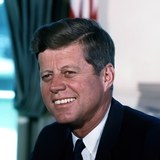
John F. Kennedy
John F. Kennedy

35th President of the United States

Jan 20, 1961 — Nov 22, 1963

Party: Democratic

Vice President: Lyndon B. Johnson

Election: Nov 8, 1960. : 303 to 219 for Richard Nixon. Counted by on Jan 6, 1961.

Harry Byrd of Virginia received 15 electoral votes in 1960, 6 from Alabama, 8 from Mississippi and 1 from Oklahoma. The Mississippi votes came from unpledged electors. The Oklahoma vote came from an elector pledged to Nixon. Hawaii sent Congress three certificates of electors. Vice President Nixon, who presided over the count, proposed that the votes of the Kennedy electors be counted, and no one objected. Assassinated in Dallas, Texas, on November 22, 1963.

Details

Sources 1 2 3 4 5 6 7

Photo

John F. Kennedy, 1963 · Cecil W. Stoughton · Public domain · Wikimedia Commons

47posts
35changes over the term
1acting at the end of the term
0vacant at the end of the term

Last changes of the term

  1. Nov 2, 1963Paul Fay replaced Fred Korth as Secretary of the Navy
  2. Sep 30, 1963John A. Gronouski replaced J. Edward Day as Postmaster General
  3. Aug 8, 1963Eugene P. Foley replaced John E. Horne as SBA Administrator
  4. Jun 2, 1963E. William Henry replaced Newton Minow as FCC Chairman
  5. Feb 19, 1963Christian Herter: recess appointment → Senate-confirmed, Special Representative for Trade Negotiations
  6. Dec 28, 1962Kermit Gordon replaced David Bell as Director of the Bureau of the Budget

Senate-confirmed appointed acting vacant

White House

White House Counsel

Ted Sorensen
Ted Sorensenappointed
Jan 21, 1961 — Nov 22, 1963

The title in the Kennedy White House was Special Counsel to the President.

Details

AppointmentJan 21, 1961 · appointed by the president

His title was Special Counsel to the President. A note in the Public Papers of President Johnson says he served as Special Counsel from January 21, 1961 to February 29, 1964. The Congressional Directory of January 1964 still lists him as Special Counsel. President Johnson accepted his resignation in a letter released on January 15, 1964. Remained in the post after November 22, 1963.

Sources 1 2 3 4 5

Photo

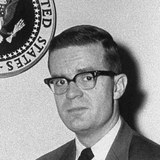
Ted Sorensen, 1961 · Abbie Rowe · Public domain · Wikimedia Commons
White House Press Secretary

Pierre Salinger
Pierre Salingerappointed
Jan 1961 — Nov 22, 1963
Details

AppointmentJan 1961 · appointed by the president

His title was Press Secretary to the President. The State Department's Office of the Historian lists him in the post from January 1961. No source we opened gives his first day. Remained in the post after November 22, 1963. A note in the Public Papers of President Johnson says he resigned on March 19, 1964 to run for the Democratic nomination for the Senate in California.

Sources 1 2 3 4 5

Photo

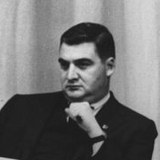
Pierre Salinger, 1961 · Abbie Rowe · Public domain · Wikimedia Commons
National Security Advisor

McGeorge Bundy
McGeorge Bundyappointed
Jan 20, 1961 — Nov 22, 1963
Details

AppointmentJan 20, 1961 · appointed by the president · from the start of the term

His title was Special Assistant to the President for National Security Affairs. The National Security Council history and the State Department's Office of the Historian date his service from January 20, 1961. Gordon Gray, who held the post under President Eisenhower, resigned effective January 20, 1961. The National Security Council history lists Bundy in the post until February 28, 1966. Remained in the post after November 22, 1963.

Sources 1 2 3 4

Photo

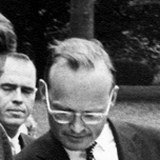
McGeorge Bundy, 1962 · Abbie Rowe, National Park Service · Public domain · Wikimedia Commons
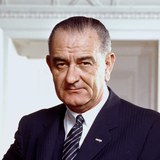
Director of the Bureau of the Budget

Kermit Gordonappointed
Dec 28, 1962 — Nov 22, 1963

The Office of Management and Budget was created in 1970 from the Bureau of the Budget. The director did not need Senate confirmation in this period.

Details

AppointmentDec 28, 1962 · appointed by the president · after David Bell left

The OMB list of former directors gives his dates as December 28, 1962 to June 1, 1965. The Office of the Historian says he succeeded Bell. The Congressional Directory of January 1964 lists him as Director. Remained in the post after November 22, 1963.

Sources 1 2 3 4

  1. David BellJan 22, 1961 — Dec 20, 1962appointed

    AppointmentJan 22, 1961 · appointed by the president

    Moved to another postDec 20, 1962 · The State Department's Office of the Historian says Kennedy appointed him Administrator of the Agency for International Development on November 28, 1962 and that he took the oath of office on December 21, 1962.

    The OMB list of former directors gives his dates as January 22, 1961 to December 20, 1962. The Office of the Historian lists him as Director of the Bureau of the Budget from January 1961 to December 1962.

    Sources 1 2 3 4 5

Vice president and Cabinet

Vice President of the United States

Lyndon B. Johnson
Lyndon B. Johnsonelected
Jan 20, 1961 — Nov 22, 1963
Details

AppointmentJan 20, 1961 · elected in November 2024 · from the start of the term

Moved to another postNov 22, 1963 · He became President on November 22, 1963 after President Kennedy was shot and killed in Dallas. He took the presidential oath the same day aboard Air Force One at Love Field, Dallas, the Joint Congressional Committee on Inaugural Ceremonies says.

He took the vice presidential oath at the inauguration on January 20, 1961, the Joint Congressional Committee on Inaugural Ceremonies says.

Sources 1 2

Photo

Lyndon B. Johnson, 1963 · Arnold Newman · Public domain · Wikimedia Commons
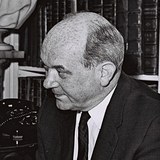
Secretary of State

Dean Rusk
Dean RuskSenate-confirmed
Jan 21, 1961 — Nov 22, 1963Senate vote Jan 21, 1961
Details

AppointmentJan 21, 1961 · nominated by the president, confirmed by the Senate on Jan 21, 1961

The Senate confirmed him on January 21, 1961 without objection and with no roll call, the Congressional Record shows. President Kennedy spoke at the swearing-in of the Cabinet the same day. The Office of the Historian says he entered into duty on January 21, 1961. Christian Herter served until the Eisenhower administration ended on January 20, 1961. Remained in the post after November 22, 1963.

Sources 1 2 3 4

Photo

Dean Rusk, 1964 · Moshe Pridan · Public domain · Wikimedia Commons
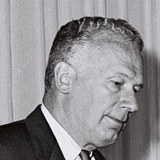
Under Secretary of State

George Ball
George BallSenate-confirmed
Jan 30, 1962 — Nov 22, 1963Senate vote Jan 29, 1962

In this period the second-ranking post in the department was Under Secretary of State. In July 1972 the post of Deputy Secretary of State replaced it, the Office of the Historian says.

Details

AppointmentJan 30, 1962 · nominated by the president, confirmed by the Senate on Jan 29, 1962

The Senate confirmed him on January 29, 1962 without objection and with no roll call, the Congressional Record shows. The Office of the Historian says he was commissioned again after the confirmation, with the date January 30, 1962. It gives September 30, 1966 as the end of his appointment. Remained in the post after November 22, 1963.

Sources 1 2

Photo

George Ball, 1964 · Moshe Pridan (Israel National Photo Collection) · Public domain · Wikimedia Commons
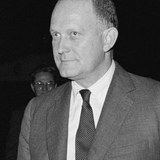
  1. George BallDec 4, 1961 — Jan 30, 1962recess appointment

    AppointmentDec 4, 1961 · recess appointment by the president · after Chester Bowles left

    Permanent appointmentJan 30, 1962 · The Senate confirmed him on January 29, 1962, the Congressional Record shows. The Office of the Historian says he was commissioned again after the confirmation, with the date January 30, 1962.

    Under Secretary of State for Economic Affairs before he took the post, the Office of the Historian shows. It says he was commissioned during a recess of the Senate. It gives November 29, 1961 as his appointment and December 4, 1961 as his entry on duty.

    Sources 1 2 3

  2. Chester BowlesJan 25, 1961 — Dec 3, 1961Senate-confirmed

    AppointmentJan 25, 1961 · nominated by the president, confirmed by the Senate on Jan 23, 1961

    Moved to another postDec 3, 1961 · President Kennedy said on November 29, 1961 that Bowles would devote his entire time to the problems and policies of South America, Africa, the Middle East and Asia. He said this was a more effective use of his talents than the day-to-day administration of the State Department. Bowles became the President's Special Representative and Adviser on African, Asian, and Latin American Affairs.

    The Senate confirmed him on January 23, 1961 with no roll call, the Congressional Record shows. The Record notes the objection of senators from New Hampshire, Arizona and Kansas. The Office of the Historian gives January 24, 1961 as his appointment, January 25, 1961 as his entry on duty and December 3, 1961 as the end of his appointment. Douglas Dillon's appointment as Under Secretary had ended on January 4, 1961.

    Sources 1 2 3 4 5 6

Secretary of the

Douglas Dillon
Douglas DillonSenate-confirmed
Jan 21, 1961 — Nov 22, 1963Senate vote Jan 21, 1961
Details

AppointmentJan 21, 1961 · nominated by the president, confirmed by the Senate on Jan 21, 1961

Under Secretary of State under President Eisenhower before he took the post. The Senate confirmed him on January 21, 1961 without objection and with no roll call, the Congressional Record shows. The Treasury's annual report for 1961 dates his term of service from January 21, 1961. The Treasury lists his tenure as 1961 to 1965. Remained in the post after November 22, 1963.

Sources 1 2 3 4

Photo

Douglas Dillon, 1961 · Robert LeRoy Knudsen · Public domain · Wikimedia Commons
Secretary of Defense

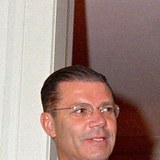
Robert McNamara
Robert McNamaraSenate-confirmed
Jan 21, 1961 — Nov 22, 1963Senate vote Jan 21, 1961
Details

AppointmentJan 21, 1961 · nominated by the president, confirmed by the Senate on Jan 21, 1961

President of the Ford Motor Company before he took the post, the Defense Department says. The Senate confirmed him on January 21, 1961 without objection and with no roll call, the Congressional Record shows. The Defense Department dates his service from January 21, 1961 to February 29, 1968. Thomas Gates served until January 20, 1961. Remained in the post after November 22, 1963.

Sources 1 2 3

Photo

Robert McNamara, 1964 · PHC Harold Wise, USN · Public domain · Wikimedia Commons
Deputy Secretary of Defense

Roswell GilpatricSenate-confirmed
Jan 24, 1961 — Nov 22, 1963Senate vote Jan 23, 1961
Details

AppointmentJan 24, 1961 · nominated by the president, confirmed by the Senate on Jan 23, 1961 · after James H. Douglas Jr. left

The Senate confirmed him on January 23, 1961 with no roll call, the Congressional Record shows. He took the oath the next day, the Defense Department's Historical Office says. It dates his service from January 24, 1961 to January 20, 1964. Remained in the post after November 22, 1963.

Sources 1 2 3

  1. James H. Douglas Jr.Jan 20, 1961 — Jan 24, 1961Senate-confirmed

    AppointmentJan 20, 1961 · nominated by the president, confirmed by the Senate · from the start of the term

    DepartureJan 24, 1961

    Holdover. President Eisenhower gave him a recess appointment and he took the oath on December 11, 1959. The Senate confirmed him on January 26, 1960, the Defense Department's Historical Office says. It dates his service to January 24, 1961.

    Sources 1 2

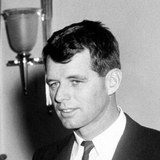
Robert F. Kennedy
Robert F. KennedySenate-confirmed
Jan 21, 1961 — Nov 22, 1963Senate vote Jan 21, 1961
Details

AppointmentJan 21, 1961 · nominated by the president, confirmed by the Senate on Jan 21, 1961

He managed his brother's 1960 presidential campaign, the Justice Department says. The Senate confirmed him on January 21, 1961 on a division, with no roll call, the Congressional Record shows. The Justice Department says President Kennedy appointed him on January 21, 1961 and that he held the office until September 3, 1964. Remained in the post after November 22, 1963.

Sources 1 2

Photo

Robert F. Kennedy, 1961 · Abbie Rowe. White House Photographs. John F. Kennedy Presidential Library and Museum, Boston · Public domain · Wikimedia Commons

Stewart Udall
Stewart UdallSenate-confirmed
Jan 21, 1961 — Nov 22, 1963Senate vote Jan 21, 1961
Details

AppointmentJan 21, 1961 · nominated by the president, confirmed by the Senate on Jan 21, 1961

Member of the House of Representatives from Arizona before he took the post, the Congressional Record shows. The Senate confirmed him on January 21, 1961 without objection and with no roll call. The Interior Department says he was nominated, confirmed and took office on January 21, 1961. Fred Seaton served until January 20, 1961. Remained in the post after November 22, 1963.

Sources 1 2

Photo

Stewart Udall, 1964 · Robert Knudsen · Public domain · Wikimedia Commons

Secretary of Agriculture

Orville Freeman
Orville FreemanSenate-confirmed
Jan 21, 1961 — Nov 22, 1963Senate vote Jan 21, 1961
Details

AppointmentJan 21, 1961 · nominated by the president, confirmed by the Senate on Jan 21, 1961

Governor of Minnesota for three terms before he took the post, the Agriculture Department says. The Senate confirmed him on January 21, 1961 without objection and with no roll call, the Congressional Record shows. The department says he served from January 21, 1961 to January 20, 1969. Remained in the post after November 22, 1963.

Sources 1 2

Photo

Orville Freeman, 1964 · Various library photographers · Public domain · Wikimedia Commons
Secretary of Commerce

Luther HodgesSenate-confirmed
Jan 21, 1961 — Nov 22, 1963Senate vote Jan 21, 1961
Details

AppointmentJan 21, 1961 · nominated by the president, confirmed by the Senate on Jan 21, 1961

Governor of North Carolina before he took the post, the Commerce Department says. The Senate confirmed him on January 21, 1961 with no roll call, the Congressional Record shows. The Commerce Department dates his service from January 21, 1961 to January 15, 1965. Frederick Mueller served until January 19, 1961. Remained in the post after November 22, 1963.

Sources 1 2

Secretary of Labor

W. Willard WirtzSenate-confirmed
Sep 25, 1962 — Nov 22, 1963Senate vote Sep 20, 1962
Details

AppointmentSep 25, 1962 · nominated by the president, confirmed by the Senate on Sep 20, 1962

Under Secretary of Labor before he took the post, the Congressional Record shows. The Senate confirmed him on September 20, 1962 without objection and with no roll call. President Kennedy spoke at his swearing-in on September 25, 1962. The Labor Department dates his tenure from September 25, 1962 to January 20, 1969. Remained in the post after November 22, 1963.

Sources 1 2 3 4

  1. W. Willard WirtzSep 21, 1962 — Sep 25, 1962acting

    AppointmentSep 21, 1962 · acting · after Arthur Goldberg left

    Permanent appointmentSep 25, 1962 · He took the oath as Secretary of Labor on September 25, 1962.

    Under Secretary of Labor. He signed Labor Department orders as Acting Secretary of Labor on September 21, 1962 and on September 24, 1962, the Federal Register shows. September 21, 1962 is the earliest such record found.

    Sources 1 2 3

  2. Arthur GoldbergJan 21, 1961 — Sep 20, 1962Senate-confirmed

    AppointmentJan 21, 1961 · nominated by the president, confirmed by the Senate on Jan 21, 1961

    Moved to another postSep 20, 1962 · He resigned from the Cabinet to accept appointment to the Supreme Court. President Kennedy accepted the resignation in a letter of September 20, 1962.

    General counsel of the United Steelworkers of America before he took the post, the Labor Department says. The Senate confirmed him on January 21, 1961 with no roll call, the Congressional Record shows. The Labor Department dates his tenure from January 21, 1961 to September 20, 1962. The Senate received his nomination as an Associate Justice of the Supreme Court on August 31, 1962, the Congressional Record Daily Digest shows.

    Sources 1 2 3 4

Secretary of Health, Education, and Welfare

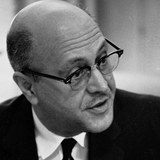
Anthony J. Celebrezze
Anthony J. CelebrezzeSenate-confirmed
Jul 31, 1962 — Nov 22, 1963Senate vote Jul 20, 1962

The department became the Department of Health and Human Services on May 4, 1980.

Details

AppointmentJul 31, 1962 · nominated by the president, confirmed by the Senate on Jul 20, 1962 · after Ivan A. Nestingen left

Mayor of Cleveland before, President Kennedy said at his swearing-in on July 31, 1962. The Senate received his nomination on July 16, 1962 and confirmed him on July 20, 1962 with no recorded vote, the Congressional Record Daily Digest shows. The HHS list of Secretaries gives his tenure as July 31, 1962 to August 17, 1965. Remained in the post after November 22, 1963.

Sources 1 2 3

Photo

Anthony J. Celebrezze, 1961 · photo by Abbie Rowe, official photographer · Public domain · Wikimedia Commons
  1. Ivan A. NestingenJul 1962 — Jul 31, 1962acting

    AppointmentJul 1962 · acting · after Abraham Ribicoff left

    HandoverJul 31, 1962 · Anthony J. Celebrezze was sworn in as Secretary on July 31, 1962.

    Under Secretary of Health, Education, and Welfare. He approved a regulation as Acting Secretary on July 18, 1962, the Federal Register shows. The day he began to act was not found.

    Sources 1 2 3

  2. Abraham RibicoffJan 21, 1961 — Jul 13, 1962Senate-confirmed

    AppointmentJan 21, 1961 · nominated by the president, confirmed by the Senate on Jan 21, 1961

    ResignationJul 13, 1962 · President Kennedy accepted his resignation in a letter of July 13, 1962. He wrote that he accepted Ribicoff's request to be free to seek the office from which he could cast a vote in Congress the next year, and congratulated the people of Connecticut.

    The Senate confirmed him on January 21, 1961 together with other members of the Cabinet, with no recorded vote, the Congressional Record Daily Digest shows. The HHS list of Secretaries gives his tenure as January 21, 1961 to July 13, 1962. The Public Papers of the President give July 12, 1962 as his last day.

    Sources 1 2 3

Housing and Home Finance Administrator

Robert C. Weaver
Robert C. WeaverSenate-confirmed
Feb 11, 1961 — Nov 22, 1963Senate vote Feb 9, 1961

Head of the Housing and Home Finance Agency. The Department of Housing and Urban Development had its first Secretary from January 18, 1966.

Details

AppointmentFeb 11, 1961 · nominated by the president, confirmed by the Senate on Feb 9, 1961 · after Lewis E. Williams left

The Senate confirmed him on February 9, 1961 after a long debate, with no recorded vote, the Congressional Record Daily Digest shows. President Kennedy spoke at his swearing-in at the White House on February 11, 1961. Remained in the post after November 22, 1963. He became the first Secretary of Housing and Urban Development on January 18, 1966, HUD records show.

Sources 1 2 3 4

Photo

Robert C. Weaver, 1964 · Yoichi R. Okamoto · Public domain · Wikimedia Commons
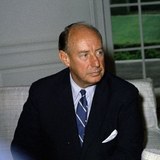
  1. Lewis E. WilliamsJan 1961 — Feb 11, 1961acting

    AppointmentJan 1961 · acting

    HandoverFeb 11, 1961 · Robert C. Weaver was sworn in as Administrator on February 11, 1961.

    He signed agency designations as Acting Housing and Home Finance Administrator effective January 24, 1961 and January 30, 1961, the Federal Register shows. The day he began to act was not found.

    Sources 1 2 3

Administrator of Veterans Affairs

John S. Gleason Jr.Senate-confirmed
Jan 1961 — Nov 22, 1963Senate vote Jan 30, 1961

Head of the Veterans Administration. It became the Department of Veterans Affairs on March 15, 1989.

Details

AppointmentJan 1961 · nominated by the president, confirmed by the Senate on Jan 30, 1961

The Senate confirmed him on January 30, 1961 with no recorded vote, the Congressional Record shows. The day he took office was not found, the month shown is the month of his confirmation. He signed the Veterans Administration annual report as Administrator on January 3, 1964. Remained in the post after November 22, 1963.

Sources 1 2 3

Director of

John McConeSenate-confirmed
Jan 31, 1962 — Nov 22, 1963Senate vote Jan 31, 1962

The Director of Central Intelligence headed the CIA and the whole intelligence community. The title became Director of the Central Intelligence Agency in 2005, a CIA history shows.

Details

AppointmentJan 31, 1962 · nominated by the president, confirmed by the Senate on Jan 31, 1962

The Senate confirmed him by 71-12 on January 31, 1962. The day of his new commission was not found. A CIA history gives his tenure as November 29, 1961 to April 28, 1965. Remained in the post after November 22, 1963.

Sources 1 2 3

  1. John McConeNov 29, 1961 — Jan 31, 1962recess appointment

    AppointmentNov 29, 1961 · recess appointment by the president · after Allen Dulles left

    Permanent appointmentJan 31, 1962 · The Senate confirmed him by 71-12 on January 31, 1962.

    Former Chairman of the Atomic Energy Commission, President Kennedy said when he announced the choice on September 27, 1961. President Kennedy spoke at his swearing-in at the White House on November 29, 1961. The Senate received his nomination on January 15, 1962 for the office to which he had been appointed during the last recess of the Senate, the Congressional Record shows.

    Sources 1 2 3 4 5

  2. Allen DullesJan 20, 1961 — Nov 29, 1961Senate-confirmed

    AppointmentJan 20, 1961 · nominated by the president, confirmed by the Senate · from the start of the term

    ResignationNov 29, 1961 · His letter of resignation was released by the White House on November 29, 1961. A CIA history says that after the Bay of Pigs, President Kennedy replaced him with John McCone.

    Appointed by President Eisenhower, a CIA history says. It gives his tenure as February 26, 1953 to November 29, 1961. President Kennedy said on September 27, 1961 that he had asked Dulles in November 1960 to stay on, and that Dulles had agreed to do so for a year.

    Sources 1 2 3 4

Special Representative for Trade Negotiations

Christian HerterSenate-confirmed
Feb 19, 1963 — Nov 22, 1963Senate vote Feb 19, 1963

The Trade Expansion Act of 1962, signed on October 11, 1962, created the post. In 1980 the post was renamed United States Trade Representative.

Details

AppointmentFeb 19, 1963 · nominated by the president, confirmed by the Senate on Feb 19, 1963

The Senate confirmed him on February 19, 1963 with no recorded vote, the Congressional Record shows. The State Department record reads "recommissioned after confirmation on Feb 27, 1963" and ends his service on December 30, 1966. Remained in the post after November 22, 1963.

Sources 1 2 3 4

  1. Christian HerterDec 10, 1962 — Feb 19, 1963recess appointment

    AppointmentDec 10, 1962 · recess appointment by the president

    Permanent appointmentFeb 19, 1963 · The Senate confirmed him on February 19, 1963 with no recorded vote, the Congressional Record shows.

    Secretary of State under President Eisenhower, the State Department records show. President Kennedy announced the appointment on November 15, 1962 and spoke at his swearing-in at the White House on December 10, 1962. The State Department records that he was commissioned during a recess of the Senate.

    Sources 1 2 3 4

Ambassador to the United Nations

Adlai Stevenson
Adlai StevensonSenate-confirmed
Jan 21, 1961 — Nov 22, 1963Senate vote Jan 21, 1961
Details

AppointmentJan 21, 1961 · nominated by the president, confirmed by the Senate on Jan 21, 1961 · after James J. Wadsworth left

The Senate confirmed him on January 21, 1961 together with members of the Cabinet, with no recorded vote, the Congressional Record Daily Digest shows. The State Department records give his appointment as January 21, 1961 and the presentation of his credentials as January 23, 1961. They end his mission on July 14, 1965. Remained in the post after November 22, 1963.

Sources 1 2

Photo

Adlai Stevenson, 1961 · Robert Knudsen. White House Photographs. John F. Kennedy Presidential Library and Museum, Boston · Public domain · Wikimedia Commons
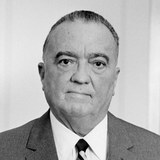
  1. James J. WadsworthJan 20, 1961 — Jan 21, 1961Senate-confirmed

    AppointmentJan 20, 1961 · nominated by the president, confirmed by the Senate · from the start of the term

    DepartureJan 21, 1961

    Nominated by President Eisenhower. The Senate confirmed him on August 27, 1960 with no recorded vote, the Congressional Record shows. The State Department records give his appointment as August 27, 1960 and end his mission on January 21, 1961.

    Sources 1 2

Administrator

Eugene P. FoleySenate-confirmed
Aug 8, 1963 — Nov 22, 1963Senate vote Jul 31, 1963

Small Business Administration.

Details

AppointmentAug 8, 1963 · nominated by the president, confirmed by the Senate on Jul 31, 1963 · after John E. Horne left

The Senate received his nomination on July 24, 1963 and confirmed him on July 31, 1963 with no recorded vote, the Congressional Record Daily Digest shows. The SBA list of administrators gives his tenure as August 8, 1963 to September 10, 1965. Remained in the post after November 22, 1963.

Sources 1 2

  1. John E. HorneFeb 2, 1961 — Aug 7, 1963Senate-confirmed

    AppointmentFeb 2, 1961 · nominated by the president, confirmed by the Senate on Feb 2, 1961

    Moved to another postAug 7, 1963 · He became a member of the Federal Home Loan Bank Board. The Senate confirmed him to that post on July 31, 1963.

    The Senate confirmed him on February 2, 1961 with no recorded vote, the Congressional Record Daily Digest shows. The SBA list of administrators gives his tenure as February 2, 1961 to August 7, 1963.

    Sources 1 2 3

Postmaster General

John A. GronouskiSenate-confirmed
Sep 30, 1963 — Nov 22, 1963Senate vote Sep 24, 1963

Head of the Post Office Department, a Cabinet post until the U.S. Postal Service began operations on July 1, 1971.

Details

AppointmentSep 30, 1963 · nominated by the president, confirmed by the Senate on Sep 24, 1963 · after J. Edward Day left

The Senate confirmed him on September 24, 1963 with no recorded vote, the Congressional Record Daily Digest shows. Associate Justice Byron R. White gave him the oath at the White House on September 30, 1963, with President Kennedy present. The Postal Service list of Postmasters General gives September 30, 1963 as the day he took office and November 3, 1965 for his successor. Remained in the post after November 22, 1963.

Sources 1 2 3

  1. J. Edward DayJan 21, 1961 — Aug 9, 1963Senate-confirmed

    AppointmentJan 21, 1961 · nominated by the president, confirmed by the Senate on Jan 21, 1961

    ResignationAug 9, 1963 · He resigned to accept what he called an unusual opportunity to practice law in Washington, UPI reported. President Kennedy accepted the resignation on July 26, 1963, effective August 9, 1963.

    The Senate confirmed him on January 21, 1961 together with other members of the Cabinet, with no recorded vote, the Congressional Record Daily Digest shows. The Postal Service list of Postmasters General gives January 21, 1961 as the day he took office.

    Sources 1 2 3 4

Law enforcement, borders and the military

Director

J. Edgar Hoover
J. Edgar Hooverappointed
Jan 20, 1961 — Nov 22, 1963
Details

AppointmentJan 20, 1961 · appointed by the president · from the start of the term

Holdover. Attorney General Harlan Fiske Stone appointed him acting director of the bureau on May 10, 1924 and he was named director by the end of that year, the FBI says. The FBI dates his service to May 2, 1972. Remained in the post after November 22, 1963.

Sources 1

Photo

J. Edgar Hoover, 1961 · Marion S. Trikosko · Public domain · Wikimedia Commons
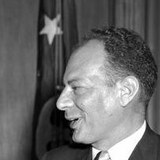
Commissioner of Narcotics

Henry Giordano
Henry GiordanoSenate-confirmed
Aug 17, 1962 — Nov 22, 1963Senate vote Aug 6, 1962

Head of the Bureau of Narcotics, part of the Treasury.

Details

AppointmentAug 17, 1962 · nominated by the president, confirmed by the Senate on Aug 6, 1962 · after Harry Anslinger left

Deputy commissioner of narcotics since November 1958, the Treasury said. President Kennedy announced the appointment on July 5, 1962. The Senate received the nomination on July 6, 1962 and confirmed it without a roll call on August 6, 1962, the Congressional Record shows. Treasury Secretary Douglas Dillon gave him the oath on August 17, 1962. Remained in the post after November 22, 1963.

Sources 1 2 3 4

Photo

Henry Giordano, 1962 · Cecil Stoughton (Dan Lewis). White House Photographs. John F. Kennedy Presidential Library and Museum, Boston · Public domain · Wikimedia Commons
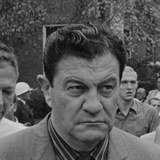
  1. Harry AnslingerJan 20, 1961 — Aug 1962Senate-confirmed

    AppointmentJan 20, 1961 · nominated by the president, confirmed by the Senate · from the start of the term

    ResignationAug 1962 · Anslinger retired after 45 years of government service, the Treasury said.

    Holdover. President Hoover said at a news conference on September 23, 1930 that he had appointed Anslinger, then acting commissioner, to be Commissioner of Narcotics. The Senate confirmed him without a roll call on December 18, 1930, the Congressional Record shows. The Treasury said on August 17, 1962 that he had been commissioner since 1930 and had recently retired. The day he left is not on record. The month shown is the month of that Treasury statement.

    Sources 1 2 3 4

Chief of the Executive Office for U.S. Marshals

James McShane
James McShaneappointed
Jun 21, 1962 — Nov 22, 1963

The Justice Department office in charge of the U.S. marshals. Its head became the Director of the U.S. Marshals Service in 1970.

Details

AppointmentJun 21, 1962 · appointed by the president · after Clive Palmer left

The Senate Judiciary Committee reported his nomination as U.S. marshal for the District of Columbia in April 1961, the Congressional Record shows. The Marshals Service dates his appointment as head of the Executive Office for United States Marshals to June 21, 1962. Its list names no other head before Carl Turner in 1969. Remained in the post after November 22, 1963.

Sources 1 2

Photo

James McShane, 1962 · Marion S. Trikosko · Public domain · Wikimedia Commons
  1. Clive PalmerJan 20, 1961 — Jun 1962appointed

    AppointmentJan 20, 1961 · appointed by the president · from the start of the term

    DepartureJun 1962

    Holdover. Head of the Executive Office for United States Marshals from December 20, 1957, the Marshals Service says. Its list names James McShane as the next head, appointed on June 21, 1962. The day Palmer left is not on record. The month shown is the month of McShane's appointment.

    Sources 1

Deputy Attorney General

Nicholas Katzenbach
Nicholas KatzenbachSenate-confirmed
May 1962 — Nov 22, 1963Senate vote May 1, 1962
Details

AppointmentMay 1962 · nominated by the president, confirmed by the Senate on May 1, 1962 · after Byron White left

Assistant attorney general in charge of the Office of Legal Counsel before, the Justice Department says. The Senate confirmed him without a roll call on May 1, 1962, the Congressional Record shows. The Justice Department dates his service from May 1962 to February 1965. The day he took office is not on record. Remained in the post after November 22, 1963.

Sources 1 2 3

Photo

Nicholas Katzenbach, 1963 · Warren K. Leffler, U.S. News & World Report Magazine · Public domain · Wikimedia Commons
  1. Byron WhiteJan 1961 — Apr 1962Senate-confirmed

    AppointmentJan 1961 · nominated by the president, confirmed by the Senate on Jan 23, 1961

    Moved to another postApr 1962 · White became an associate justice of the Supreme Court. The Senate confirmed him on April 11, 1962 and he took the oath on April 16, 1962, the Federal Judicial Center says.

    A Denver lawyer before. Confirmed without a roll call on January 23, 1961, the Congressional Record shows. The Justice Department dates his service from January 1961 to April 1962. The days he took office and left are not on record.

    Sources 1 2 3

of the United States

Archibald CoxSenate-confirmed
Jan 24, 1961 — Nov 22, 1963Senate vote Jan 23, 1961
Details

AppointmentJan 24, 1961 · nominated by the president, confirmed by the Senate on Jan 23, 1961 · after J. Lee Rankin left

A Harvard law professor. President Kennedy nominated him on January 21, 1961 and the Senate confirmed him on January 23, 1961. He was commissioned and took the oath on January 24, 1961, the Supreme Court's reports say. The Congressional Record lists the confirmation without a roll call. The Justice Department dates his service from 1961 to 1965. Remained in the post after November 22, 1963.

Sources 1 2 3

  1. J. Lee RankinJan 20, 1961 — Jan 23, 1961Senate-confirmed

    AppointmentJan 20, 1961 · nominated by the president, confirmed by the Senate · from the start of the term

    ResignationJan 23, 1961 · Rankin resigned effective January 23, 1961, the Supreme Court's reports say.

    Holdover. Appointed solicitor general on August 14, 1956, the Justice Department says.

    Sources 1 2

Chief of the U.S. Secret Service

James Rowley
James Rowleyappointed
Sep 1, 1961 — Nov 22, 1963

The Secret Service was part of the Treasury.

Details

AppointmentSep 1, 1961 · appointed by the president · after U. E. Baughman left

Special agent in charge of the presidential detail before, the Treasury said. Head of the Secret Service from September 1, 1961 until his retirement at the end of October 1973, the Treasury said in 1973. The Congressional Record calls him chief of the Secret Service in 1962 and 1963. Remained in the post after November 22, 1963.

Sources 1 2 3

Photo

James Rowley, 1961 · The U.S. National Archives · Public domain · Wikimedia Commons
  1. U. E. BaughmanJan 20, 1961 — Aug 31, 1961appointed

    AppointmentJan 20, 1961 · appointed by the president · from the start of the term

    ResignationAug 31, 1961 · Baughman retired, effective August 31, 1961. He wrote to Treasury Secretary Douglas Dillon that he needed a complete rest, the Treasury said.

    Holdover. He wrote that he had been with the Secret Service for over 33 years, almost 13 of them as chief, the Treasury said on July 25, 1961.

    Sources 1

Chairman of the of Staff

Maxwell Taylor
Maxwell TaylorSenate-confirmed
Oct 1, 1962 — Nov 22, 1963Senate vote Aug 9, 1962
Details

AppointmentOct 1, 1962 · nominated by the president, confirmed by the Senate on Aug 9, 1962 · after Lyman Lemnitzer left

Army general, the military representative of the President before, President Kennedy said when he swore him in on October 1, 1962. The Senate received the nomination on July 25, 1962 and confirmed it without a roll call on August 9, 1962, the Congressional Record shows. Chairman from October 1, 1962 to July 1, 1964, the Defense Department's list of key officials shows. Remained in the post after November 22, 1963.

Sources 1 2 3

Photo

Maxwell Taylor, 1961 · Abbie Rowe · Public domain · Wikimedia Commons

  1. Lyman LemnitzerJan 20, 1961 — Sep 30, 1962Senate-confirmed

    AppointmentJan 20, 1961 · nominated by the president, confirmed by the Senate · from the start of the term

    Moved to another postSep 30, 1962 · President Kennedy said at a news conference on July 23, 1962 that he had nominated Lemnitzer to be the commander of American forces in Europe.

    Holdover. Army general, chairman from October 1, 1960 to September 30, 1962, the Defense Department's list of key officials shows.

    Sources 1 2

Secretary of the Army

Cyrus Vance
Cyrus VanceSenate-confirmed
Jul 5, 1962 — Nov 22, 1963Senate vote Jun 15, 1962
Details

AppointmentJul 5, 1962 · nominated by the president, confirmed by the Senate on Jun 15, 1962 · after Elvis Stahr left

General counsel of the Defense Department from 1961 to 1962, the Army's Center of Military History says. The Senate received the nomination on May 21, 1962 and confirmed it without a roll call on June 15, 1962, the Congressional Record shows. Secretary from July 5, 1962, the Center and the Defense Department's list show. Remained in the post after November 22, 1963.

Sources 1 2 3 4

Photo

Cyrus Vance, 1964 · PHC Harold Wise, USN · Public domain · Wikimedia Commons
  1. Elvis StahrJan 24, 1961 — Jun 30, 1962Senate-confirmed

    AppointmentJan 24, 1961 · nominated by the president, confirmed by the Senate on Jan 23, 1961

    ResignationJun 30, 1962 · Stahr resigned, the Senate's executive calendar says.

    President of West Virginia University before, the Defense Department's list says. The Senate received the nomination on January 21, 1961 and confirmed it without a roll call on January 23, 1961, the Congressional Record shows. Secretary from January 24, 1961 to June 30, 1962, the Army's Center of Military History and the Defense Department's list show. The Center lists him as president of Indiana University from 1962 to 1968.

    Sources 1 2 3 4

Secretary of the Navy

Paul Fay
Paul Fayacting
Nov 2, 1963 — Nov 22, 1963
Details

AppointmentNov 2, 1963 · acting · after Fred Korth left

Under secretary of the Navy. The Senate confirmed him to that post on February 16, 1961, the Congressional Record shows. The Naval History and Heritage Command lists him as acting secretary from November 2, 1963 to November 28, 1963. Remained in the post after November 22, 1963.

Sources 1 2

Photo

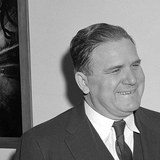
Paul Fay, 1963 · Captain M. L. Mulford, USN · Public domain · Wikimedia Commons
  1. Fred KorthJan 1962 — Nov 1, 1963Senate-confirmed

    AppointmentJan 1962 · nominated by the president, confirmed by the Senate on Jan 29, 1962

    ResignationNov 1, 1963 · President Kennedy said at a news conference on October 31, 1963 that Korth had indicated his desire to return to private life and that he had accepted that decision.

    Confirmed without a roll call on January 29, 1962, the Congressional Record shows. The day he was appointed after confirmation is not on record. The Defense Department and the Naval History and Heritage Command end his service on November 1, 1963.

    Sources 1 2 3 4 5

  2. Fred KorthJan 4, 1962 — Jan 1962recess appointment

    AppointmentJan 4, 1962 · recess appointment by the president · after John Connally left

    Permanent appointmentJan 1962 · The Senate confirmed him without a roll call on January 29, 1962, the Congressional Record shows.

    Assistant secretary of the Army from 1952 to 1953, the Defense Department's list says. President Kennedy named him on December 11, 1961 to succeed John Connally, a Navy biography of December 22, 1961 says. The Defense Department and the Naval History and Heritage Command date his service from January 4, 1962. The Senate received the nomination on January 15, 1962 among persons appointed during the last recess of the Senate, the Congressional Record shows.

    Sources 1 2 3 4

  3. John ConnallyJan 25, 1961 — Dec 20, 1961Senate-confirmed

    AppointmentJan 25, 1961 · nominated by the president, confirmed by the Senate on Jan 23, 1961

    ResignationDec 20, 1961 · Connally resigned in December 1961 to seek the office of Governor of Texas, his biography in a 1971 Senate Finance Committee hearing record says.

    The Senate received the nomination on January 21, 1961 and confirmed it without a roll call on January 23, 1961, the Congressional Record shows. Secretary from January 25, 1961 to December 20, 1961, the Defense Department's list of key officials and the Naval History and Heritage Command show.

    Sources 1 2 3 4

Secretary of the Air Force

Eugene ZuckertSenate-confirmed
Jan 24, 1961 — Nov 22, 1963Senate vote Jan 23, 1961
Details

AppointmentJan 24, 1961 · nominated by the president, confirmed by the Senate on Jan 23, 1961 · after Dudley Sharp left

Assistant secretary of the Air Force from 1947 to 1952 and a member of the Atomic Energy Commission from 1952 to 1954, the Defense Department's list says. The Senate received the nomination on January 21, 1961 and confirmed it without a roll call on January 23, 1961, the Congressional Record shows. The Defense Department's list dates his service from January 24, 1961, Air & Space Forces Magazine from January 23, 1961. Remained in the post after November 22, 1963.

Sources 1 2 3

  1. Dudley SharpJan 20, 1961 — Jan 20, 1961Senate-confirmed

    AppointmentJan 20, 1961 · nominated by the president, confirmed by the Senate · from the start of the term

    DepartureJan 20, 1961

    Holdover. Secretary of the Air Force from December 11, 1959 to January 20, 1961, the Defense Department's list of key officials and Air & Space Forces Magazine show.

    Sources 1 2

Commissioner of Immigration and

Raymond FarrellSenate-confirmed
Feb 5, 1962 — Nov 22, 1963Senate vote Feb 5, 1962

Head of the Immigration and Naturalization Service, part of the Justice Department.

Details

AppointmentFeb 5, 1962 · nominated by the president, confirmed by the Senate on Feb 5, 1962 · after Joseph Swing left

Associate commissioner of the service before, USCIS says. The Senate received the nomination on January 22, 1962 and confirmed it on February 5, 1962, the Congressional Record shows. USCIS says the confirmation was unanimous. Voteview lists no roll call on it. USCIS dates his service from February 5, 1962 to March 31, 1973. Remained in the post after November 22, 1963.

Sources 1 2 3 4

  1. Joseph SwingJan 20, 1961 — Jan 5, 1962Senate-confirmed

    AppointmentJan 20, 1961 · nominated by the president, confirmed by the Senate · from the start of the term

    ResignationJan 5, 1962 · Swing retired, USCIS says.

    Holdover. A retired Army general. President Eisenhower nominated him and he began as commissioner on May 24, 1954, USCIS says. USCIS dates his service to January 5, 1962. The same page says he retired from the service in 1961.

    Sources 1

Commissioner of Customs

Philip Nichols Jr.appointed
Mar 24, 1961 — Nov 22, 1963

Head of the Bureau of Customs, part of the Treasury.

Details

AppointmentMar 24, 1961 · appointed by the president · after David Strubinger left

A Washington lawyer and a former assistant general counsel of the Treasury for customs and narcotics. Treasury Secretary Douglas Dillon appointed him and the Treasury said on March 23, 1961 that he would be sworn in the next day. A Customs Service history of 1987 dates his service from 1961 to 1964. Remained in the post after November 22, 1963.

Sources 1 2

  1. David StrubingerJan 1961 — Mar 24, 1961acting

    AppointmentJan 1961 · acting · after Ralph Kelly left

    HandoverMar 24, 1961 · Philip Nichols Jr. was sworn in as commissioner.

    He signed Customs notices as acting commissioner of customs dated January 19, 1961 and approved January 23, 1961, the Federal Register shows. The day he took over is not on record. The Congressional Record lists him as acting commissioner at a Senate Appropriations Committee hearing on March 16, 1961 and as assistant commissioner in June 1961.

    Sources 1 2 3

  2. Ralph KellyJan 20, 1961 — Jan 20, 1961appointed

    AppointmentJan 20, 1961 · appointed by the president · from the start of the term

    ResignationJan 20, 1961 · Kelly resigned on January 20, 1961, the Treasury said.

    Holdover. A former president of the Baldwin Locomotive Works. A Customs Service history of 1987 dates his service as commissioner from 1954 to 1961.

    Sources 1 2

Health

of the Public Health Service

Luther TerrySenate-confirmed
Mar 2, 1961 — Nov 22, 1963Senate vote Mar 2, 1961
Details

AppointmentMar 2, 1961 · nominated by the president, confirmed by the Senate on Mar 2, 1961 · after Leroy Burney left

President Kennedy selected him as Surgeon General, effective March 2, 1961, the Surgeon General's office says. The Senate confirmed him with no roll call on March 2, 1961, the Congressional Record shows. The Public Health Service Historian lists him from March 24, 1961. Remained in the post after November 22, 1963.

Sources 1 2 3 4

  1. Leroy BurneyJan 20, 1961 — Jan 29, 1961Senate-confirmed

    AppointmentJan 20, 1961 · nominated by the president, confirmed by the Senate · from the start of the term

    ResignationJan 29, 1961 · He stepped down on January 29, 1961, to give the new Democratic administration the opportunity to nominate its own choice for Surgeon General, the Surgeon General's office says.

    A holdover. President Eisenhower nominated him in 1956. He was sworn in on August 8, 1956, and confirmed by the Senate in January 1957, the Surgeon General's office says.

    Sources 1 2

Chief of the Communicable Disease Center

James Goddardappointed
Sep 1962 — Nov 22, 1963
Details

AppointmentSep 1962 · appointed by the president · after Clarence A. Smith left

Civil Air Surgeon of the Federal Aviation Agency before, the agency's staff news says. He said in a 1969 oral history interview that he left the agency on September 1, 1962, to take over the center. CDC lists him as director from 1962 to 1966. Remained in the post after November 22, 1963.

Sources 1 2 3 4

  1. Clarence A. SmithJan 20, 1961 — Sep 1962appointed

    AppointmentJan 20, 1961 · appointed by the president · from the start of the term

    DepartureSep 1962

    A holdover. CDC lists him as director from 1960 to 1962. A CDC photo record of 1962 shows a farewell gathering in his honor.

    Sources 1 2 3

Director

James Shannonappointed
Jan 20, 1961 — Nov 22, 1963
Details

AppointmentJan 20, 1961 · appointed by the president · from the start of the term

A holdover. Before 1971 NIH directors were appointed by the Surgeon General, NIH says. NIH lists him as director from August 1, 1955, to August 31, 1968. Remained in the post after November 22, 1963.

Sources 1 2

Commissioner

George Larrickappointed
Jan 20, 1961 — Nov 22, 1963
Details

AppointmentJan 20, 1961 · appointed by the president · from the start of the term

A holdover. Appointed commissioner in 1954, succeeding Charles Crawford, the FDA says. The FDA lists his service as August 12, 1954, to December 27, 1965. Remained in the post after November 22, 1963.

Sources 1 2

Money, agencies and services

Chairman

William McChesney Martin Jr.Senate-confirmed
Jan 20, 1961 — Nov 22, 1963
Details

AppointmentJan 20, 1961 · nominated by the president, confirmed by the Senate · from the start of the term

A holdover. President Truman appointed him chairman, the Federal Reserve's history site says. The Federal Reserve lists him as chair from April 2, 1951, to January 31, 1970. President Kennedy announced on February 7, 1963, that he would reappoint him as chairman when his term expired in a few weeks. Remained in the post after November 22, 1963.

Sources 1 2 3

Commissioner of

Mortimer CaplinSenate-confirmed
Feb 7, 1961 — Nov 22, 1963Senate vote Feb 6, 1961
Details

AppointmentFeb 7, 1961 · nominated by the president, confirmed by the Senate on Feb 6, 1961 · after Charles I. Fox left

The Senate confirmed him with no roll call on February 6, 1961, the Congressional Record shows. The IRS lists his service as February 7, 1961, to July 10, 1964. Remained in the post after November 22, 1963.

Sources 1 2

  1. Charles I. FoxJan 21, 1961 — Feb 7, 1961acting

    AppointmentJan 21, 1961 · acting · after Dana Latham left

    HandoverFeb 7, 1961 · Mortimer Caplin took office.

    The IRS lists him as acting commissioner from January 21 to February 6, 1961.

    Sources 1

  2. Dana LathamJan 20, 1961 — Jan 20, 1961Senate-confirmed

    AppointmentJan 20, 1961 · nominated by the president, confirmed by the Senate · from the start of the term

    DepartureJan 20, 1961

    A holdover. The Senate confirmed him with no roll call on January 29, 1959, the Congressional Record shows. The IRS lists his service as November 5, 1958, to January 20, 1961.

    Sources 1 2

Chairman

William CarySenate-confirmed
Mar 27, 1961 — Nov 22, 1963Senate vote Mar 2, 1961
Details

AppointmentMar 27, 1961 · nominated by the president, confirmed by the Senate on Mar 2, 1961 · after Edward Gadsby left

Confirmed as a member of the commission with no roll call on March 2, 1961, the Congressional Record shows. The SEC lists him as a commissioner and chairman from March 27, 1961. Remained in the post after November 22, 1963.

Sources 1 2 3 4

  1. Edward GadsbyJan 20, 1961 — Mar 26, 1961Senate-confirmed

    AppointmentJan 20, 1961 · nominated by the president, confirmed by the Senate · from the start of the term

    DepartureMar 26, 1961

    A holdover. The SEC lists him as commissioner and chairman from August 20, 1957, and as chairman to March 26, 1961. He stayed on the commission until August 4, 1961, the SEC says.

    Sources 1 2

Chairman

E. William Henryappointed
Jun 2, 1963 — Nov 22, 1963
Details

AppointmentJun 2, 1963 · appointed by the president · after Newton Minow left

A commissioner since October 2, 1962, the FCC says. The Senate confirmed him as a member with no roll call on September 28, 1962, the Congressional Record shows. President Kennedy announced his appointment as chairman to replace Newton Minow, the National Association of Educational Broadcasters reported on May 20, 1963. The FCC lists him as chairman from June 2, 1963, to May 1, 1966. Remained in the post after November 22, 1963.

Sources 1 2 3

  1. Newton MinowMar 2, 1961 — Jun 1, 1963Senate-confirmed

    AppointmentMar 2, 1961 · nominated by the president, confirmed by the Senate on Feb 13, 1961 · after Frederick W. Ford left

    ResignationJun 1, 1963 · He resigned in May 1963 to become executive vice president and general counsel of Encyclopaedia Britannica in Chicago, the Associated Press reported. He announced his resignation as chairman effective June 1, the National Association of Educational Broadcasters reported on May 20, 1963.

    Confirmed as a member of the commission with no roll call on February 13, 1961, the Congressional Record shows. The FCC lists him as commissioner and chairman from March 2, 1961, to June 1, 1963.

    Sources 1 2 3 4

  2. Frederick W. FordJan 20, 1961 — Mar 1, 1961appointed

    AppointmentJan 20, 1961 · appointed by the president · from the start of the term

    DepartureMar 1, 1961

    A holdover. A commissioner since August 29, 1957, the FCC says. The FCC lists him as chairman from March 15, 1960, to March 1, 1961. He stayed on the commission until December 31, 1964, the FCC says.

    Sources 1

Chairman of the Federal Trade Commission

Paul Rand DixonSenate-confirmed
Mar 21, 1961 — Nov 22, 1963Senate vote Mar 16, 1961
Details

AppointmentMar 21, 1961 · nominated by the president, confirmed by the Senate on Mar 16, 1961 · after Earl Kintner left

Confirmed as a commissioner with no roll call on March 16, 1961, the Congressional Record shows. The FTC lists him as chairman from March 21, 1961, to December 31, 1969. Remained in the post after November 22, 1963.

Sources 1 2

  1. Earl KintnerJan 20, 1961 — Mar 20, 1961Senate-confirmed

    AppointmentJan 20, 1961 · nominated by the president, confirmed by the Senate · from the start of the term

    DepartureMar 20, 1961

    A holdover. The FTC lists him as a commissioner from June 9, 1959, to March 20, 1961, and as chairman from June 11, 1959, to March 20, 1961.

    Sources 1

Commissioner of

Robert BallSenate-confirmed
Apr 17, 1962 — Nov 22, 1963Senate vote Apr 3, 1962
Details

AppointmentApr 17, 1962 · nominated by the president, confirmed by the Senate on Apr 3, 1962 · after William Mitchell left

Deputy Director of the Bureau of Old-Age and Survivors Insurance before. Named on February 28, 1962, to succeed William Mitchell, SSA says. The Senate confirmed him with no roll call on April 3, 1962, the Congressional Record shows. Sworn in on April 17, 1962, SSA says. Remained in the post after November 22, 1963.

Sources 1 2 3

  1. William MitchellJan 20, 1961 — Apr 3, 1962Senate-confirmed

    AppointmentJan 20, 1961 · nominated by the president, confirmed by the Senate · from the start of the term

    ResignationApr 3, 1962 · He submitted his resignation to President Kennedy on February 28, 1962, SSA says.

    A holdover. Named commissioner on December 26, 1958, SSA says. The Senate confirmed him with no roll call on January 29, 1959, the Congressional Record shows. Sworn in on February 4, 1959, SSA says. SSA lists his service as February 4, 1959, to April 3, 1962.

    Sources 1 2 3 4

Administrator

James Webb
James WebbSenate-confirmed
Feb 14, 1961 — Nov 22, 1963Senate vote Feb 9, 1961
Details

AppointmentFeb 14, 1961 · nominated by the president, confirmed by the Senate on Feb 9, 1961 · after Hugh Dryden left

The Senate confirmed him with no roll call on February 9, 1961, the Congressional Record shows. NASA lists him as administrator from February 14, 1961, to October 7, 1968. His NASA biography says he accepted the post on February 14, 1961, and gives February 16, 1961, as the start of his term. Remained in the post after November 22, 1963.

Sources 1 2 3

Photo

James Webb, 1961 · NASA Glenn Research Center · Public domain · Wikimedia Commons
  1. Hugh DrydenJan 21, 1961 — Feb 14, 1961acting

    AppointmentJan 21, 1961 · acting · after T. Keith Glennan left

    HandoverFeb 14, 1961 · James Webb took office.

    NASA lists him as acting administrator from January 21 to February 14, 1961.

    Sources 1

  2. T. Keith GlennanJan 20, 1961 — Jan 20, 1961Senate-confirmed

    AppointmentJan 20, 1961 · nominated by the president, confirmed by the Senate · from the start of the term

    DepartureJan 20, 1961

    A holdover. President Eisenhower nominated him, NASA says. NASA lists him as administrator from August 19, 1958, to January 20, 1961. On leaving NASA he returned to the Case Institute of Technology, NASA says.

    Sources 1 2 3

Chairman of the Civil Service Commission

John Macy Jr.
John Macy Jr.Senate-confirmed
Mar 6, 1961 — Nov 22, 1963Senate vote Mar 2, 1961
Details

AppointmentMar 6, 1961 · nominated by the president, confirmed by the Senate on Mar 2, 1961

The Senate confirmed him as a Civil Service Commissioner with no roll call on March 2, 1961, the Congressional Record shows. OPM lists him as chairman from March 6, 1961, to January 20, 1969. Remained in the post after November 22, 1963.

Sources 1 2

Photo

John Macy Jr., 1963 · No photographers credited · Public domain · Wikimedia Commons

What is still open

  • Start of the term: the Senate confirmed the new Cabinet on January 21, 1961 and it took the oath that day. No source we checked names an acting head of a department for January 20, 1961. The departments date the service of the outgoing Secretaries of State, Defense and the Interior to January 20, 1961 and of the Secretaries of Commerce and of Health, Education, and Welfare to January 19, 1961. Sources 1 2 3 4 5 6 7
  • First weeks of the term: no source we checked shows who led these posts before the first Kennedy appointee took office. The gaps are the Under Secretary of State to January 25, 1961, the Secretary of the Army to January 24, 1961, the Secretary of the Navy to January 25, 1961, the Small Business Administration to February 2, 1961 and the Civil Service Commission to March 6, 1961. For the Army and the Navy the sources differ on whether the outgoing secretaries left on January 19, 1961 or January 20, 1961. The Eisenhower Library says Roger W. Jones chaired the Civil Service Commission until the start of the Kennedy administration. At the Veterans Administration the day Sumner G. Whittier left and the day John S. Gleason Jr. took office were not found. Lewis E. Williams is first on record as acting Housing and Home Finance Administrator on January 24, 1961, and who led the agency before that was not found. At Customs David Strubinger signed as acting commissioner on a notice dated January 19, 1961, while the Treasury says Ralph Kelly resigned on January 20, 1961. Sources 1 2 3 4 5 6 7 8 9 10 11 12 13
  • Bureau of the Budget: the OMB list of former directors gives Maurice Stans's dates to January 21, 1961, while President Eisenhower accepted his resignation effective January 20, 1961. The page starts with David Bell on January 22, 1961. No source we checked names an acting director between Bell, who left on December 20, 1962, and Kermit Gordon, who took over on December 28, 1962. Sources 1 2 3
  • Gaps between two holders: no source we checked names an acting head in these posts. The gaps are the Surgeon General from January 29, 1961 to March 2, 1961, the Secretary of the Navy from December 20, 1961 to January 4, 1962, the Commissioner of Immigration and Naturalization from January 5, 1962 to February 5, 1962, the Commissioner of Social Security from April 3, 1962 to April 17, 1962, the deputy attorney general between Byron White, who left in April 1962, and Nicholas Katzenbach, who took over in May 1962, the Secretary of the Army from June 30, 1962 to July 5, 1962 and the Postmaster General from August 9, 1963 to September 30, 1963. The Treasury said on August 17, 1962 that Harry Anslinger had recently retired as Commissioner of Narcotics. The day he left was not found. Sources 1 2 3 4 5 6 7 8 9 10

How this page is made: every line comes from an official page or a news report linked next to it. A reason for leaving is given as the source gave it, with attribution. We add no judgement of our own.

Electoral College

The president is chosen not by the national vote but by 538 electors from the states, and 270 win. Nearly every state gives all its electors to its winner, so a candidate can win the presidency while losing the popular vote.

All terms →
Congress

The US parliament: the Senate and the House of Representatives. A bill becomes law when both pass it and the president signs it.

All terms →
Treasury Department

The federal finance ministry: it collects taxes through the IRS, pays the government's bills and borrows by selling bonds. The interest on those bonds steers mortgage and loan rates.

All terms →
Attorney General

The head of the Justice Department and the government's chief lawyer. Each state has its own attorney general too.

All terms →
Interior Department

The federal ministry that manages public lands, national parks, water and natural resources. It has nothing to do with the police.

All terms →
CIA

Central Intelligence Agency: the federal agency that gathers intelligence abroad. It has no police powers inside the country.

All terms →
SBA

Small Business Administration: the federal agency that backs loans to small businesses and advises them.

All terms →
FBI

The Federal Bureau of Investigation: the main federal police and counterintelligence agency, part of the Justice Department.

All terms →
Solicitor General

The lawyer who argues the federal government's cases before the Supreme Court. The post is part of the Justice Department.

All terms →
Joint Chiefs of Staff

The group of the top officers of each military service. Its chairman is the highest-ranking officer and the president's chief military adviser but commands no troops.

All terms →
Naturalization

How a green-card holder becomes a US citizen: usually five years of residence, or three if married to a citizen, an English and civics test, and an oath.

All terms →
Surgeon General

The federal government's chief public health doctor, who warns the country about health risks. The post leads the uniformed Public Health Service corps.

All terms →
NIH

National Institutes of Health: the federal agency that funds and conducts medical research.

All terms →
FDA

Food and Drug Administration: the federal agency that approves medicines and vaccines and oversees the safety of food.

All terms →
Federal Reserve (the Fed)

The central bank of the United States. It sets the key interest rate, which moves the rates on loans, mortgages and savings.

All terms →
IRS

Internal Revenue Service: the federal agency that collects taxes. It is part of the Treasury Department.

All terms →
SEC

Securities and Exchange Commission: the federal regulator of the stock market. It writes the rules for companies that sell shares and for investment firms.

All terms →
FCC

Federal Communications Commission: the federal regulator of television, radio, phone and internet companies.

All terms →
Social Security

The federal program of retirement and disability benefits, paid for by a tax on wages.

All terms →
NASA

National Aeronautics and Space Administration: the federal space agency.

All terms →