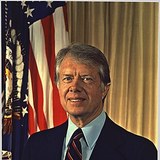
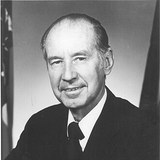
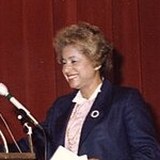
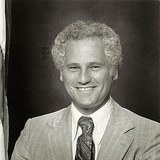
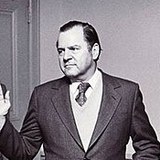
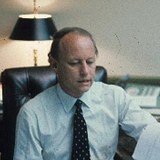
AppointmentJun 11, 1980 · appointed by the president · after Hamilton Jordan left
Term endedJan 20, 1981 · The Carter administration ended on January 20, 1981.
Assistant to the President for Intergovernmental Affairs and Secretary to the Cabinet since January 1977. The White House announced on June 11, 1980 that he would become Assistant to the President and White House Chief of Staff. The Carter Library says he held his earlier posts until June 11, 1980, when he left them to become Chief of Staff.
Hamilton JordanJul 18, 1979 — Jun 11, 1980appointed
AppointmentJul 18, 1979 · appointed by the president
DepartureJun 11, 1980 · The White House announced on June 11, 1980 that Jordan would become Deputy Chairman of the Carter/Mondale Presidential Committee. The Carter Library says he left to run the re-election campaign.
Assistant to the President since 1977. The White House announced on July 18, 1979 that Carter had appointed him White House chief of staff. The White House announcement of June 11, 1980 still gave his title as Assistant to the President and White House Chief of Staff, and the Carter Library dates Watson's move into the post to the same day. The State Department history says he was Chief of Staff until June 1980. Another Carter Library finding aid gives May 1980 as the month he left the administration. The Christian Science Monitor reported on June 13, 1980 that he would resume his chief of staff duties once he no longer had to give full time to the campaign.
AppointmentOct 1, 1979 · appointed by the president · after Robert Lipshutz left
ResignationNov 30, 1980 · The White House said on November 26, 1980 that Carter had accepted the resignation effective November 30 and that Cutler had planned to stay only one year.
Counsel to the President on the ratification of the SALT II treaty from June 1979. Carter announced his appointment as Counsel to the President on August 17, 1979. At Carter's request he stayed on as an unpaid consultant on pending matters, among them the legal side of the negotiations for the return of the hostages held in Iran. The Carter Library says he did so until the end of the administration.
Robert LipshutzJan 21, 1977 — Sep 30, 1979appointed
AppointmentJan 21, 1977 · appointed by the president
ResignationSep 30, 1979 · The White House announced on August 10, 1979 that Lipshutz intended to resign. It said he would return to Georgia to serve as co-trustee of the Jimmy Carter Personal Assets Trust and to chair the commission that would establish the Carter Presidential Library.
The Carter Library says he was Counsel to the President from January 21, 1977 to September 30, 1979. The White House said on September 29, 1979 that he had been Counsel to the President since the inauguration, that he had formally submitted his resignation and that he would join an Atlanta law firm on November 1.
AppointmentJul 1, 1978 · appointed by the president
DepartureSep 1979 · The State Department history says he then became media director of the Carter-Mondale campaign.
His title was Assistant to the President for Communications. The White House announced on May 18, 1978 that he would join the staff, and Time reported that he would start on July 1. Rafshoon said in 1999 that the administration did not have a communications department when it started. The Carter Library gives his service as May 1978 to August 1979 in one place and says in another that he served until September 1979. The White House still listed him as Assistant to the President for Communications at a meeting on September 13, 1979. The State Department history gives his dates as July 1, 1978 to August 14, 1979. No source we checked gives his last day.
AppointmentJan 20, 1977 · appointed by the president · from the start of the term
Term endedJan 20, 1981 · The Carter administration ended on January 20, 1981.
The State Department history gives his dates as White House Press Secretary as January 20, 1977 to January 20, 1981. The Carter Library says the Press Office worked under his direction.
AppointmentJan 20, 1977 · appointed by the president · from the start of the term
Term endedJan 20, 1981 · The Carter administration ended on January 20, 1981.
His title was Assistant to the President for National Security Affairs. Carter introduced him at the swearing-in of members of the Cabinet on January 23, 1977, where Chief Justice Burger administered the oath. The State Department history gives his dates as January 20, 1977 to January 20, 1981. The National Security Council history gives January 20, 1977 to January 21, 1981.
Zbigniew Brzezinski, 1977 · Jack E. Kightlinger · Public domain · Wikimedia Commons
Director of the
James McIntyreSenate-confirmed
Mar 24, 1978 — Jan 20, 1981Senate vote Mar 21, 1978
Details
AppointmentMar 24, 1978 · nominated by the president, confirmed by the Senate on Mar 21, 1978
Term endedJan 20, 1981 · The Carter administration ended on January 20, 1981.
Carter nominated him on January 20, 1978. The Senate confirmed him on March 21, 1978 with other nominations and no roll call, the Congressional Record Daily Digest shows. Vice President Mondale swore him in on March 24, 1978. The OMB list of former directors dates his term from September 24, 1977 and counts his months as acting director in it.
AppointmentSep 24, 1977 · acting · after Bert Lance left
Permanent appointmentMar 24, 1978 · Carter asked him on December 27, 1977 to serve as permanent director. He was sworn in as director on March 24, 1978.
Deputy Director of OMB from February 1977. Carter designated him Acting Director by a letter dated September 24, 1977, the day he accepted Lance's resignation.
AppointmentJan 23, 1977 · nominated by the president, confirmed by the Senate on Jan 20, 1977
ResignationSep 23, 1977 · Carter read Lance's letter of resignation at a news conference on September 21, 1977. Lance wrote that because of the amount of controversy and its continuing nature he had decided to resign. He wrote that he wished to return to Georgia. Carter had said on August 18, 1977 that the Comptroller's Office, the Justice Department and a Senate committee had investigated Lance's personal and business affairs.
Carter nominated him on January 20, 1977. The Senate confirmed him the same day with nine other nominations and no roll call, the Congressional Record Daily Digest shows. Carter introduced him at the swearing-in of members of the Cabinet on January 23, 1977, where Chief Justice Burger administered the oath. The OMB list of former directors gives his dates as January 21, 1977 to September 23, 1977. Carter's letter accepting the resignation is dated September 24, 1977.
AppointmentJan 20, 1977 · elected in November 2024 · from the start of the term
Term endedJan 20, 1981 · The Carter administration ended on January 20, 1981.
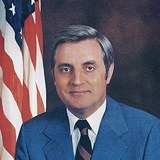
The Congressional Record of January 20, 1977 records that Speaker Thomas P. O'Neill Jr. gave the oath of office to Vice President-elect Walter F. Mondale at the inauguration.
Walter Mondale, 1977 · United States Senate Historical Office · Public domain · Wikimedia Commons
Secretary of State
David Newsomacting
Jan 18, 1981 — Jan 20, 1981
Details
AppointmentJan 18, 1981 · acting · after Edmund Muskie left
Term endedJan 20, 1981 · The Carter administration ended on January 20, 1981.
Under Secretary of State for Political Affairs. The Office of the Historian says he was Acting Secretary of State from January 18, 1981 to January 20, 1981 and Secretary of State ad interim from January 20, 1981 to January 22, 1981, under President Reagan.
David Newsom, 1978 · US Federal Government · Public domain · Wikimedia Commons
Edmund MuskieMay 8, 1980 — Jan 18, 1981Senate-confirmed
AppointmentMay 8, 1980 · nominated by the president, confirmed by the Senate on May 7, 1980 · after Warren Christopher left
DepartureJan 18, 1981
Senator from Maine before he took the post. President Carter announced on April 29, 1980 that Muskie had accepted his offer. President Carter spoke at his swearing-in on May 8, 1980. The Office of the Historian gives May 8, 1980 as his appointment and entry on duty and January 18, 1981 as the end of his appointment.
AppointmentMay 2, 1980 · acting · after Warren Christopher left
HandoverMay 4, 1980 · Warren Christopher became Secretary of State ad interim again, the Office of the Historian records.
Under Secretary of State for Political Affairs. The Office of the Historian lists him as Secretary of State ad interim from May 2, 1980 to May 3, 1980 and again from May 3, 1980 to May 4, 1980.
Warren ChristopherApr 28, 1980 — May 2, 1980acting
AppointmentApr 28, 1980 · acting · after Cyrus Vance left
HandoverMay 2, 1980 · David Newsom became Secretary of State ad interim, the Office of the Historian records.
Deputy Secretary of State. The White House said on April 28, 1980 that he would serve as Acting Secretary. The Office of the Historian lists him as Secretary of State ad interim from April 28, 1980 to May 2, 1980.
Cyrus VanceJan 23, 1977 — Apr 28, 1980Senate-confirmed
AppointmentJan 23, 1977 · nominated by the president, confirmed by the Senate on Jan 20, 1977 · after Philip Habib left
ResignationApr 28, 1980 · Vance wrote to President Carter that he could not support his decision on Iran. President Carter wrote in reply that Vance could not support his decision regarding the rescue operation in Iran and had made the correct decision to resign. The White House read the letters to reporters on April 28, 1980.
The Congressional Record shows the Senate confirmed him by voice vote on January 20, 1977, the same day as other members of the cabinet. President Carter introduced him first at the swearing-in of cabinet members on January 23, 1977. The Office of the Historian gives January 21, 1977 as his appointment, January 23, 1977 as his entry on duty and April 28, 1980 as the end of his appointment.
AppointmentJan 20, 1977 · acting · from the start of the term
HandoverJan 23, 1977 · Cyrus Vance took office.
Under Secretary of State for Political Affairs. The Office of the Historian lists him as Secretary of State ad interim from January 20, 1977 to January 23, 1977. It gives January 20, 1977 as the end of Henry Kissinger's appointment.
Feb 26, 1977 — Jan 16, 1981Senate vote Feb 24, 1977
Details
AppointmentFeb 26, 1977 · nominated by the president, confirmed by the Senate on Feb 24, 1977
DepartureJan 16, 1981
The Congressional Record shows the Senate confirmed him by unanimous consent on February 24, 1977. The Office of the Historian gives February 25, 1977 as his appointment, February 26, 1977 as his entry on duty and January 16, 1981 as the end of his appointment. He was also Secretary of State ad interim from April 28, 1980 to May 2, 1980 and from May 4, 1980 to May 8, 1980.
AppointmentAug 6, 1979 · nominated by the president, confirmed by the Senate on Aug 2, 1979 · after Michael Blumenthal left
Term endedJan 20, 1981 · The Carter administration ended on January 20, 1981.
Chairman of the Federal Reserve Board before he took the post, the White House said when it announced the nomination on July 19, 1979. President Carter spoke at his swearing-in on August 6, 1979. The Treasury lists his service from August 6, 1979 to January 20, 1981.
Michael BlumenthalJan 23, 1977 — Aug 4, 1979Senate-confirmed
AppointmentJan 23, 1977 · nominated by the president, confirmed by the Senate on Jan 20, 1977
ResignationAug 4, 1979 · Blumenthal wrote to President Carter that the time had come for him to return to private life and that someone else should carry on as Secretary of the Treasury. The White House said on July 19, 1979 that President Carter had accepted the resignation.
President of Bendix before he took the post, President Carter said at the swearing-in of cabinet members on January 23, 1977. The Congressional Record shows the Senate confirmed him by voice vote on January 20, 1977. The Treasury lists his service from January 23, 1977 to August 4, 1979.
Jan 21, 1977 — Jan 20, 1981Senate vote Jan 20, 1977
Details
AppointmentJan 21, 1977 · nominated by the president, confirmed by the Senate on Jan 20, 1977
Term endedJan 20, 1981 · The Carter administration ended on January 20, 1981.
President of the California Institute of Technology before he took the post, President Carter said. The Congressional Record shows the Senate confirmed him by voice vote on January 20, 1977. The Defense Department's Historical Office dates his service from January 21, 1977 to January 20, 1981. President Carter also introduced him at the swearing-in of cabinet members on January 23, 1977.
Aug 24, 1979 — Jan 16, 1981Senate vote Jul 27, 1979
Details
AppointmentAug 24, 1979 · nominated by the president, confirmed by the Senate on Jul 27, 1979 · after Charles Duncan left
DepartureJan 16, 1981
Secretary of the Navy before he took the post, the White House said when it announced the nomination on July 20, 1979. The Congressional Record shows the Senate confirmed him by unanimous consent on July 27, 1979. The Defense Department's Historical Office dates his service from August 24, 1979 to January 16, 1981.
W. Graham Claytor Jr., 1977 · U.S. Navy · Public domain · Wikimedia Commons
Charles DuncanJan 31, 1977 — Jul 26, 1979Senate-confirmed
AppointmentJan 31, 1977 · nominated by the president, confirmed by the Senate on Jan 31, 1977
Moved to another postJul 26, 1979 · The White House announced on July 20, 1979 that President Carter would nominate Duncan as Secretary of Energy.
The Congressional Record shows the Senate confirmed him by unanimous consent on January 31, 1977. The Defense Department's Historical Office dates his service from January 31, 1977 to July 26, 1979 and lists him as president of the Coca-Cola Company from 1971. President Carter spoke at his swearing-in as Secretary of Energy on August 24, 1979.
Aug 16, 1979 — Jan 19, 1981Senate vote Aug 1, 1979
Details
AppointmentAug 16, 1979 · nominated by the president, confirmed by the Senate on Aug 1, 1979 · after Griffin Bell left
ResignationJan 19, 1981 · He resigned effective January 19, 1981, the United States Reports record.
Deputy Attorney General from May 16, 1978 to August 15, 1979, the Justice Department says. It says he was sworn in on August 16, 1979 and served until January 19, 1981.
Griffin BellJan 26, 1977 — Aug 16, 1979Senate-confirmed
AppointmentJan 26, 1977 · nominated by the president, confirmed by the Senate on Jan 25, 1977 · after Richard Thornburgh left
ResignationAug 16, 1979 · Bell wrote to President Carter on August 2, 1979 that earlier that year he had asked to be released to return to the private sector. The White House said on July 19, 1979 that Bell had stated several times that he intended to leave before the 1980 election year.
Judge of the U.S. Court of Appeals for the Fifth Circuit from 1961, the Justice Department says. It says he was sworn in on January 26, 1977 by Chief Justice Warren E. Burger and resigned on August 16, 1979. His letter made the resignation effective when his successor was appointed and qualified.
Richard ThornburghJan 20, 1977 — Jan 26, 1977acting
AppointmentJan 20, 1977 · acting · from the start of the term
HandoverJan 26, 1977 · Griffin Bell took office.
Assistant Attorney General in charge of the Criminal Division from 1975, the Justice Department says. The United States Reports record that Attorney General Levi resigned effective January 20, 1977 and that Thornburgh became Acting Attorney General that day. They record that Bell took the oath on January 26, 1977.
Jan 23, 1977 — Jan 20, 1981Senate vote Jan 20, 1977
Details
AppointmentJan 23, 1977 · nominated by the president, confirmed by the Senate on Jan 20, 1977
Term endedJan 20, 1981 · The Carter administration ended on January 20, 1981.
Governor of Idaho before he took the post, the Congressional Record says. It shows the Senate confirmed him by voice vote on January 20, 1977. The Interior Department lists him as taking office on January 23, 1977 and his termination as January 20, 1981.
Jan 23, 1977 — Jan 20, 1981Senate vote Jan 20, 1977
Details
AppointmentJan 23, 1977 · nominated by the president, confirmed by the Senate on Jan 20, 1977
Term endedJan 20, 1981 · The Carter administration ended on January 20, 1981.
Elected to Congress from Minnesota in 1970, the Agriculture Department says. The Congressional Record shows the Senate confirmed him by voice vote on January 20, 1977. The Agriculture Department dates his service from January 23, 1977 to January 20, 1981.
Jan 9, 1980 — Jan 19, 1981Senate vote Dec 20, 1979
Details
AppointmentJan 9, 1980 · nominated by the president, confirmed by the Senate on Dec 20, 1979 · after Luther Hodges Jr. left
DepartureJan 19, 1981
A Chicago attorney and businessman, the White House said when it announced the nomination on November 16, 1979. President Carter spoke at his swearing-in on January 9, 1980. The Commerce Department lists his service from January 9, 1980 to January 19, 1981.
AppointmentNov 1979 · acting · after Juanita Kreps left
HandoverJan 9, 1980 · Philip Klutznick took office.
Under Secretary of Commerce. He is first on record as Acting Secretary of Commerce on November 27, 1979, when the Congressional Record's Daily Digest names him at a House hearing. The day he began and his last day as acting secretary are not on record. He was sworn in as the first Deputy Secretary of Commerce on January 9, 1980, the day Klutznick was sworn in.
Juanita KrepsJan 23, 1977 — Oct 31, 1979Senate-confirmed
AppointmentJan 23, 1977 · nominated by the president, confirmed by the Senate on Jan 20, 1977
ResignationOct 31, 1979 · Kreps wrote to President Carter on October 3, 1979 that her reasons for resigning were altogether personal. Carter's letter accepting the resignation is dated October 4, 1979 in the Public Papers.
Vice president of Duke University before she took the post, President Carter said at the swearing-in of cabinet members on January 23, 1977. The Congressional Record shows the Senate confirmed her by voice vote on January 20, 1977. The Commerce Department lists her service from January 23, 1977 to October 31, 1979.
Jan 27, 1977 — Jan 20, 1981Senate vote Jan 26, 1977
Details
AppointmentJan 27, 1977 · nominated by the president, confirmed by the Senate on Jan 26, 1977
Term endedJan 20, 1981 · The Carter administration ended on January 20, 1981.
The Labor Department lists his tenure as January 27, 1977 to January 20, 1981. The Senate confirmed him on January 26, 1977 by 74 to 20, the Congressional Record Daily Digest shows.
Aug 3, 1979 — Jan 20, 1981Senate vote Jul 27, 1979
Until May 4, 1980 this was the Department of Health, Education, and Welfare and its head was the Secretary of Health, Education, and Welfare. On May 4, 1980 the Department of Education Organization Act took effect, the new Department of Education opened, and the old department became the Department of Health and Human Services.
Details
AppointmentAug 3, 1979 · nominated by the president, confirmed by the Senate on Jul 27, 1979 · after Joseph Califano left
Term endedJan 20, 1981 · The Carter administration ended on January 20, 1981.
Previously Secretary of Housing and Urban Development. President Carter announced her nomination on July 19, 1979. The Senate confirmed her as Secretary of Health, Education, and Welfare on July 27, 1979 with no recorded vote, the Congressional Record Daily Digest shows. Justice Thurgood Marshall swore her in on August 3, 1979. From May 4, 1980 her title was Secretary of Health and Human Services. The archived HHS list gives her tenure as August 3, 1979 to January 20, 1981.
Patricia Roberts Harris, 1980 · Unknown author · Public domain · Wikimedia Commons
Joseph CalifanoJan 25, 1977 — Aug 3, 1979Senate-confirmed
AppointmentJan 25, 1977 · nominated by the president, confirmed by the Senate on Jan 24, 1977
ResignationAug 3, 1979 · Time reported that he was called to the Oval Office and that President Carter told him his resignation had been accepted. In his letter of resignation, which the White House released on July 19, 1979, he cited their conversation of the previous afternoon. President Carter accepted his resignation and asked him to serve until his successor took office.
Secretary of Health, Education, and Welfare. An archived HHS list of secretaries gives his tenure as January 25, 1977 to August 3, 1979. The Senate confirmed him on January 24, 1977 by 95 to 1.
AppointmentSep 24, 1979 · nominated by the president, confirmed by the Senate on Sep 12, 1979 · after Jay Janis left
Term endedJan 20, 1981 · The Carter administration ended on January 20, 1981.
Former mayor of New Orleans. President Carter announced his nomination on July 27, 1979. He was sworn in at the White House on September 24, 1979. HUD lists his tenure as September 24, 1979 to January 20, 1981.
AppointmentAug 1979 · acting · after Patricia Roberts Harris left
HandoverSep 24, 1979 · Moon Landrieu took office as Secretary of Housing and Urban Development on September 24, 1979.
Under Secretary of Housing and Urban Development. Patricia Roberts Harris delegated all the powers of the Secretary to him effective July 30, 1979, the Federal Register shows. The HUD Newsletter names him Acting Secretary in its issues of August 13, 1979, August 20, 1979, September 3, 1979, September 10, 1979 and September 17, 1979. The Senate confirmed him as a member of the Federal Home Loan Bank Board on September 12, 1979. The day his acting role began and the day it ended were not found.
Patricia Roberts HarrisJan 23, 1977 — Aug 1979Senate-confirmed
AppointmentJan 23, 1977 · nominated by the president, confirmed by the Senate on Jan 20, 1977
Moved to another postAug 1979 · She became Secretary of Health, Education, and Welfare. President Carter announced her nomination to that post on July 19, 1979.
The Senate confirmed her on January 20, 1977 with no recorded vote, the Congressional Record Daily Digest shows. Chief Justice Warren Burger swore in the first members of the Cabinet at the White House on January 23, 1977, and President Carter introduced her among them. She delegated all the powers of the Secretary to Under Secretary Jay Janis effective July 30, 1979 and signed HUD documents as Secretary up to July 31, 1979, the Federal Register shows. She was sworn in as Secretary of Health, Education, and Welfare on August 3, 1979. The HUD Newsletter of August 20, 1979 calls her the former Secretary of HUD. The HUD list of secretaries gives her tenure as January 23, 1977 to September 10, 1979. The day she left HUD was not found.
AppointmentSep 24, 1979 · nominated by the president, confirmed by the Senate on Sep 21, 1979
Term endedJan 20, 1981 · The Carter administration ended on January 20, 1981.
He formally took the oath of office at the White House on September 24, 1979, three days after the Senate confirmed him, the Transportation Department historian says. The department lists his tenure as ending on January 20, 1981.
Neil Goldschmidt, 1979 · U.S. Department of Transportation · Public domain · Wikimedia Commons
Neil GoldschmidtAug 15, 1979 — Sep 24, 1979recess appointment
AppointmentAug 15, 1979 · recess appointment by the president · after W. Graham Claytor Jr. left
Permanent appointmentSep 24, 1979 · He took office on August 15, 1979 under a recess appointment. The Senate confirmed him on September 21, 1979.
Mayor of Portland, Oregon. The White House announced on August 10, 1979 that he would be sworn in on August 15, 1979 in Portland and take office under the recess appointment provision of the Constitution. His nomination had been sent to the Senate on August 2, 1979. The Transportation Department historian lists his tenure from August 15, 1979.
W. Graham Claytor Jr.Jul 20, 1979 — Aug 15, 1979acting
AppointmentJul 20, 1979 · acting · after Brock Adams left
HandoverAug 15, 1979 · Neil Goldschmidt took office as Secretary of Transportation on August 15, 1979.
Secretary of the Navy. President Carter designated him Acting Secretary of Transportation on July 20, 1979, the Transportation Department historian says. The White House called him Acting Secretary of Transportation on July 27, 1979.
AppointmentJan 23, 1977 · nominated by the president, confirmed by the Senate on Jan 20, 1977
ResignationJul 20, 1979 · He resigned on July 20, 1979 when President Carter reshuffled his Cabinet, the Transportation Department historian says. Time reported that he went to the White House that morning and quit, saying a Cabinet officer must work directly for the President and not for the White House staff.
Former Representative from Washington. The Senate confirmed him on January 20, 1977 with no recorded vote, the Congressional Record Daily Digest shows. He took the oath of office on January 23, 1977, the Transportation Department historian says.
Aug 24, 1979 — Jan 20, 1981Senate vote Jul 31, 1979
The Department of Energy Organization Act was signed on August 4, 1977. The department opened on October 1, 1977.
Details
AppointmentAug 24, 1979 · nominated by the president, confirmed by the Senate on Jul 31, 1979 · after James Schlesinger left
Term endedJan 20, 1981 · The Carter administration ended on January 20, 1981.
Previously Deputy Secretary of Defense. President Carter announced his nomination on July 20, 1979 and attended his swearing-in on August 24, 1979. The Energy Department lists his term of office as August 24, 1979 to January 20, 1981.
Charles Duncan, 1977 · Staff photo · Public domain · Wikimedia Commons
James SchlesingerAug 5, 1977 — Aug 23, 1979Senate-confirmed
AppointmentAug 5, 1977 · nominated by the president, confirmed by the Senate on Aug 4, 1977
ResignationAug 23, 1979 · He wrote to President Carter: "As we discussed prior to the Tokyo Summit, it would be far better for you to have in place one who is less scarred by earlier battles." President Carter accepted his resignation on July 20, 1979.
Previously Assistant to the President for Energy. The Senate confirmed him on August 4, 1977, the day the law creating the department was signed, with no recorded vote, the Congressional Record Daily Digest shows. President Carter said the next day that he had been confirmed on the day the department was created. Attorney General Griffin Bell gave him the oath of office on August 5, 1977, with President Carter present. The Energy Department lists his term of office as August 6, 1977 to August 23, 1979.
Dec 6, 1979 — Jan 20, 1981Senate vote Nov 30, 1979
The Department of Education Organization Act was signed on October 17, 1979. The department opened on May 4, 1980.
Details
AppointmentDec 6, 1979 · nominated by the president, confirmed by the Senate on Nov 30, 1979
Term endedJan 20, 1981 · The Carter administration ended on January 20, 1981.
The first Secretary of Education. President Carter announced her nomination on October 30, 1979 and attended her swearing-in on December 6, 1979. Education Week reported that she left in early 1981, when President Reagan took office.
Shirley Hufstedler, 1980 · State Archives of Florida, Florida Memory · Public domain · Wikimedia Commons
Administrator of Veterans Affairs
Max ClelandSenate-confirmed
Mar 2, 1977 — Jan 20, 1981Senate vote Feb 25, 1977
Head of the Veterans Administration. It became the Department of Veterans Affairs on March 15, 1989.
Details
AppointmentMar 2, 1977 · nominated by the president, confirmed by the Senate on Feb 25, 1977 · after Richard Roudebush left
Former Georgia state legislator. President Carter announced his nomination on February 18, 1977. The Senate confirmed him on February 25, 1977 with no recorded vote, the Congressional Record Daily Digest shows. President Carter spoke at his swearing-in on March 2, 1977. Remained in the post after January 20, 1981. President Reagan accepted his resignation effective February 25, 1981.
Richard RoudebushJan 20, 1977 — Feb 1977Senate-confirmed
AppointmentJan 20, 1977 · nominated by the president, confirmed by the Senate · from the start of the term
ResignationFeb 1977 · Roudebush had resigned, the White House said when it sent his successor's nomination to the Senate on February 18, 1977.
Appointed by President Ford, who spoke at his swearing-in on October 12, 1974. The nomination of his successor, sent to the Senate on February 18, 1977, says he had resigned. He signed Veterans Administration notices as Administrator dated up to February 25, 1977, the Federal Register shows. The day he left was not found.
AppointmentMar 7, 1977 · nominated by the president, confirmed by the Senate on Mar 4, 1977 · after John Quarles left
Term endedJan 20, 1981 · The Carter administration ended on January 20, 1981.
The Senate confirmed him on March 4, 1977 with no recorded vote, the Congressional Record Daily Digest shows. The EPA chronology gives his tenure as March 7, 1977 to January 20, 1981. President Carter spoke at a White House swearing-in ceremony for him on March 11, 1977.
HandoverMar 7, 1977 · Douglas Costle became EPA Administrator on March 7, 1977, the EPA chronology says.
The EPA chronology lists him as acting administrator from January 21, 1977 to March 6, 1977. It ends the tenure of his predecessor, Russell Train, on January 20, 1977. He testified to a Senate committee as Acting Administrator on February 28, 1977, the Congressional Record Daily Digest shows.
Mar 9, 1977 — Jan 20, 1981Senate vote Feb 24, 1977
The Director of Central Intelligence headed the CIA and the whole intelligence community. The title became Director of the Central Intelligence Agency in 2005, a CIA history shows.
Details
AppointmentMar 9, 1977 · nominated by the president, confirmed by the Senate on Feb 24, 1977 · after E. Henry Knoche left
Term endedJan 20, 1981 · The Carter administration ended on January 20, 1981.
Admiral, U.S. Navy. The Senate confirmed him on February 24, 1977 with no recorded vote, the Congressional Record Daily Digest shows. President Carter spoke at his swearing-in on March 9, 1977. A CIA history gives his tenure as March 9, 1977 to January 20, 1981.
AppointmentJan 20, 1977 · acting · from the start of the term
HandoverMar 9, 1977 · Stansfield Turner became Director of Central Intelligence on March 9, 1977.
Deputy Director of Central Intelligence. A CIA history lists him as acting director from January 20, 1977 to March 9, 1977. It ends the tenure of his predecessor, George H. W. Bush, on January 20, 1977.
Oct 1, 1979 — Dec 31, 1980Senate vote Sep 25, 1979
Until 1980 the title was Special Representative for Trade Negotiations. Reorganization Plan No. 3 of 1979 and an executive order signed on January 2, 1980 renamed the office the Office of the United States Trade Representative, the USTR says.
Details
AppointmentOct 1, 1979 · nominated by the president, confirmed by the Senate on Sep 25, 1979 · after Richard R. Rivers left
DepartureDec 31, 1980
Former Governor of Florida. President Carter announced his nomination on August 8, 1979. The Senate confirmed him on September 25, 1979 with no recorded vote, the Congressional Record Daily Digest shows. The State Department records his appointment on September 26, 1979, his entry on duty on October 1, 1979 and the end of his appointment on December 31, 1980. President Carter spoke at his swearing-in on October 2, 1979. From 1980 his title was United States Trade Representative.
AppointmentSep 10, 1979 · acting · after Alonzo McDonald left
HandoverOct 1, 1979 · Reubin Askew entered on duty as Special Representative for Trade Negotiations on October 1, 1979, the State Department records.
General Counsel of the Office of the Special Representative for Trade Negotiations, the Congressional Record Daily Digest shows on September 6, 1979. The White House announced on September 10, 1979 that President Carter had designated him Acting Special Representative for Trade Negotiations.
AppointmentAug 8, 1979 · acting · after Robert Strauss left
HandoverSep 10, 1979 · The White House announced on September 10, 1979 that President Carter had designated Richard R. Rivers as Acting Special Representative for Trade Negotiations.
Deputy Special Representative for Trade Negotiations. The White House said on August 8, 1979 that he would be acting head until Reubin Askew took office. On August 10, 1979 it announced that he would become director of the White House staff.
Robert StraussMar 30, 1977 — Aug 8, 1979Senate-confirmed
AppointmentMar 30, 1977 · nominated by the president, confirmed by the Senate on Mar 29, 1977
ResignationAug 8, 1979 · The White House said on August 8, 1979 that he was resigning effective that day. President Carter had named him Ambassador at Large for the Middle East negotiations earlier that year, and he would now turn his full attention to them. The White House said he had been anxious to leave the trade post for quite some time.
Former chairman of the Democratic National Committee. President Carter announced his nomination on March 11, 1977. The Senate confirmed him on March 29, 1977 with no recorded vote, the Congressional Record Daily Digest shows. The State Department records his appointment and entry on duty on March 30, 1977 and the end of his appointment on August 17, 1979.
AppointmentSep 23, 1979 · nominated by the president, confirmed by the Senate on Sep 21, 1979 · after Andrew Young left
Term endedJan 20, 1981 · The Carter administration ended on January 20, 1981.
Previously U.S. Deputy Representative to the UN Security Council. President Carter announced his nomination on August 31, 1979 and spoke at his swearing-in on September 23, 1979. The State Department records his appointment on September 22, 1979, the presentation of his credentials on September 23, 1979 and the end of his mission on January 20, 1981.
Andrew YoungJan 30, 1977 — Sep 23, 1979Senate-confirmed
AppointmentJan 30, 1977 · nominated by the president, confirmed by the Senate on Jan 26, 1977
ResignationSep 23, 1979 · In his letter of resignation he wrote: "It is therefore extremely embarrassing that my actions, however well-intentioned, may have hampered the peace process." President Carter accepted it on August 15, 1979, effective when his successor took up the post.
Previously Representative from Georgia. He resigned from the House effective January 29, 1977, the Congressional Record Daily Digest shows. Justice Thurgood Marshall gave him the oath of office on January 30, 1977, with President Carter present. The State Department records his appointment on January 27, 1977, the presentation of his credentials on January 30, 1977 and the end of his mission on September 23, 1979.
AppointmentApr 1, 1977 · nominated by the president, confirmed by the Senate on Apr 1, 1977 · after Mitchell Kobelinski left
Term endedJan 20, 1981 · The Carter administration ended on January 20, 1981.
The Senate confirmed him on April 1, 1977 with no recorded vote, the Congressional Record Daily Digest shows. The SBA list of administrators gives his tenure as April 1, 1977 to January 20, 1981. President Carter spoke at a White House swearing-in ceremony for him on April 21, 1977.
Mitchell KobelinskiJan 20, 1977 — Mar 4, 1977Senate-confirmed
AppointmentJan 20, 1977 · nominated by the president, confirmed by the Senate · from the start of the term
ResignationMar 4, 1977 · Kobelinski had resigned, the White House said when it sent his successor's nomination to the Senate on March 22, 1977.
Appointed by President Ford, who spoke at his swearing-in on February 12, 1976. The SBA list of administrators gives his tenure as February 12, 1976 to March 4, 1977. He signed SBA notices as Administrator dated up to March 3, 1977, the Federal Register shows. The nomination of his successor, sent to the Senate on March 22, 1977, says he had resigned.
Feb 23, 1978 — Jan 20, 1981Senate vote Feb 9, 1978
Details
AppointmentFeb 23, 1978 · nominated by the president, confirmed by the Senate on Feb 9, 1978 · after James Adams left
Judge of the federal appeals court for the Eighth Circuit, the FBI says. Nominated on January 20, 1978. Confirmed without a roll call on February 9, 1978, the Congressional Record shows. He resigned as a judge and became director on February 23, 1978, the FBI says. President Carter spoke at his swearing-in that day. Remained in the post after January 20, 1981.
AppointmentFeb 15, 1978 · acting · after Clarence Kelley left
HandoverFeb 23, 1978 · William Webster was sworn in as director.
The FBI lists him as acting director from February 15, 1978 to February 23, 1978. A career FBI agent, he became associate director, the number two post in the bureau, on April 6, 1978, the FBI says.
Clarence KelleyJan 20, 1977 — Feb 15, 1978Senate-confirmed
AppointmentJan 20, 1977 · nominated by the president, confirmed by the Senate · from the start of the term
ResignationFeb 15, 1978 · Kelley retired as director, the Congressional Research Service says.
Holdover. A former Kansas City police chief, nominated by President Nixon and sworn in as director on July 9, 1973, the FBI says. The FBI dates his service to February 15, 1978. The Congressional Research Service gives February 23, 1978 as the day he retired. President Carter's first choice to succeed him, Judge Frank Johnson, was nominated on September 30, 1977 and withdrawn on December 15, 1977, the Congressional Research Service says.
AppointmentJan 20, 1977 · nominated by the president, confirmed by the Senate · from the start of the term
Holdover. Nominated on December 9, 1975, confirmed by the Senate on February 5, 1976 and sworn in on February 23, 1976, the DEA says. He stepped down on July 10, 1981, the DEA says. Remained in the post after January 20, 1981.
Bureau of Alcohol, Tobacco and Firearms, then part of the Treasury.
Details
AppointmentFeb 1979 · appointed by the president · after John Krogman left
Deputy commissioner of the Customs Service in August 1978, the Congressional Record shows. ATF lists him as director from 1979 to 1982. The director is appointed by the Secretary of the Treasury, ATF says. The Congressional Record first lists him as director at a House hearing on February 28, 1979. The day he took office is not on record. Remained in the post after January 20, 1981.
AppointmentSep 1978 · acting · after Rex Davis left
HandoverFeb 1979 · G. R. Dickerson became director.
The Congressional Record lists him as acting director at a Senate hearing on September 14, 1978 and as deputy director at a Senate hearing on May 4, 1979. It lists Dickerson as director from a House hearing on February 28, 1979. The days he took over and handed over are not on record.
AppointmentJan 20, 1977 · appointed by the president · from the start of the term
DepartureSep 1978
Holdover. ATF lists him as director from 1972 to 1978. The director is appointed by the Secretary of the Treasury, ATF says. The Congressional Record lists him as director at hearings up to May 4, 1978. The day he left is not on record. His acting successor, John Krogman, is first on record in September 1978.
AppointmentJan 20, 1977 · appointed by the president · from the start of the term
Holdover. The Marshals Service lists him as director from May 23, 1976. It dates the next director, Stanley Morris, from October 23, 1983. The Congressional Record lists him as director at a hearing on March 23, 1978. Remained in the post after January 20, 1981.
AppointmentFeb 1980 · nominated by the president, confirmed by the Senate on Feb 20, 1980 · after Paul Michel left
Federal district judge in Northern California since 1972, the White House said when President Carter announced the nomination on November 20, 1979. Confirmed without a roll call on February 20, 1980, the Congressional Record shows. The Justice Department says he was appointed in February 1980 and served until March 1981. The day he took office is not on record. Remained in the post after January 20, 1981.
AppointmentJan 1980 · acting · after Charles Ruff left
HandoverFeb 1980 · Charles Renfrew took office as deputy attorney general.
The Congressional Record lists him as acting deputy attorney general at a Senate hearing on January 30, 1980 and as associate deputy attorney general at a House hearing on July 29, 1980. The days he took over and handed over are not on record.
AppointmentSep 1979 · acting · after Benjamin Civiletti left
HandoverJan 1980 · Paul Michel became acting deputy attorney general.
The Congressional Record lists him as acting deputy attorney general at hearings from September 11, 1979 to October 30, 1979. He was nominated U.S. attorney for the District of Columbia, and the Senate Judiciary Committee reported the nomination on December 4, 1979, the Congressional Record shows. The days he took over and handed over are not on record.
Benjamin CivilettiMay 16, 1978 — Aug 15, 1979Senate-confirmed
AppointmentMay 16, 1978 · nominated by the president, confirmed by the Senate on May 9, 1978
Moved to another postAug 15, 1979 · Civiletti became attorney general. President Carter spoke at his swearing-in on August 16, 1979.
Nominated in December 1977. Confirmed by 72 to 22 on May 9, 1978. The Justice Department says he served as Deputy Attorney General from May 16, 1978 to August 15, 1979. The Senate confirmed him as attorney general by 94 to 1 on August 1, 1979.
AppointmentMar 1978 · acting · after Peter Flaherty left
Permanent appointmentMay 16, 1978 · The Senate confirmed him as deputy attorney general.
Assistant attorney general for the Criminal Division from March 1977, the White House said when President Carter announced his nomination on December 6, 1977. The Congressional Record lists him as acting deputy attorney general at a Senate hearing on March 23, 1978, and the White House called him acting deputy attorney general on April 24, 1978. The day he took over is not on record.
Peter FlahertyApr 1977 — Dec 9, 1977Senate-confirmed
AppointmentApr 1977 · nominated by the president, confirmed by the Senate on Apr 5, 1977 · after Richard Thornburgh left
ResignationDec 9, 1977 · Flaherty resigned effective December 9, 1977. He wrote to President Carter that he was considering a run for governor of Pennsylvania in 1978 and should not explore it from his post.
Mayor of Pittsburgh. President Carter announced the nomination on March 8, 1977. Confirmed by 87 to 4 on April 5, 1977. The Justice Department says he served from April 1977 to December 1977. The day he took office is not on record.
HandoverApr 1977 · Peter Flaherty took office as deputy attorney general.
Assistant attorney general for the Criminal Division from 1975, the Justice Department says. The Congressional Record lists him as acting deputy attorney general at a House hearing on February 23, 1977. The day he took over is not on record. His predecessor, Harold Tyler, served until January 1977, the Justice Department says.
Mar 29, 1977 — Jan 20, 1981Senate vote Mar 4, 1977
Details
AppointmentMar 29, 1977 · nominated by the president, confirmed by the Senate on Mar 4, 1977 · after Daniel Friedman left
Judge of the federal appeals court for the Sixth Circuit for over ten years, the Justice Department says. Nominated on February 16, 1977. Confirmed on March 4, 1977 without a roll call, the Congressional Record shows. He entered on duty on March 29, 1977, the Supreme Court's reports say. Remained in the post after January 20, 1981.
AppointmentJan 20, 1977 · acting · after Robert Bork left
HandoverMar 29, 1977 · Wade McCree entered on duty as solicitor general.
Deputy solicitor general. The Supreme Court's reports say he was acting solicitor general during the vacancy that existed since Bork's resignation effective January 20, 1977.
AppointmentJan 20, 1977 · appointed by the president · from the start of the term
Holdover. Appointed as the 15th director on November 7, 1973, the Secret Service says. He retired as director on November 30, 1981. Remained in the post after January 20, 1981.
Jun 21, 1978 — Jan 20, 1981Senate vote May 24, 1978
Details
AppointmentJun 21, 1978 · nominated by the president, confirmed by the Senate on May 24, 1978 · after George Brown left
Air Force general, chief of staff of the Air Force since 1974. President Carter announced the nomination on April 5, 1978. Confirmed without a roll call on May 24, 1978, the Congressional Record shows. Chairman from June 21, 1978 to June 18, 1982, the Defense Department's list of key officials shows. The Senate confirmed his reappointment for a second two-year term by 66 to 9 on June 19, 1980. Remained in the post after January 20, 1981.
David Jones, 1981 · Department of Defense · Public domain · Wikimedia Commons
George BrownJan 20, 1977 — Jun 20, 1978Senate-confirmed
AppointmentJan 20, 1977 · nominated by the president, confirmed by the Senate · from the start of the term
DepartureJun 20, 1978 · His second term as chairman was to end on June 30, 1978, the White House said in April 1978.
Holdover. Air Force general, chairman from July 2, 1974 to June 20, 1978, the Defense Department's list of key officials shows. The Congressional Record lists David Jones as acting chairman at hearings from April 27, 1978 to May 3, 1978.
Feb 14, 1977 — Jan 20, 1981Senate vote Feb 11, 1977
Details
AppointmentFeb 14, 1977 · nominated by the president, confirmed by the Senate on Feb 11, 1977 · after Martin Hoffmann left
Term endedJan 20, 1981 · The Carter administration ended on January 20, 1981.
Washington lawyer and chairman of the Equal Employment Opportunity Commission from 1967 to 1969. Confirmed without a roll call on February 11, 1977, the Congressional Record shows. Secretary from February 14, 1977 to January 20, 1981, the Army's Center of Military History and the Defense Department's list of key officials show.
Clifford Alexander, 1977 · U.S. Army · Public domain · Wikimedia Commons
Martin HoffmannJan 20, 1977 — Feb 13, 1977Senate-confirmed
AppointmentJan 20, 1977 · nominated by the president, confirmed by the Senate · from the start of the term
ResignationFeb 13, 1977 · Hoffmann resigned, the White House said when it sent his successor's nomination to the Senate on February 2, 1977.
Holdover. Secretary of the Army from August 5, 1975 to February 13, 1977, the Army's Center of Military History and the Defense Department's list of key officials show. He entered private law practice in 1977.
Oct 24, 1979 — Jan 20, 1981Senate vote Oct 19, 1979
Details
AppointmentOct 24, 1979 · nominated by the president, confirmed by the Senate on Oct 19, 1979 · after W. Graham Claytor Jr. left
Assistant secretary of the Navy for manpower and logistics since 1977, the White House said when President Carter announced the nomination on September 13, 1979. Confirmed without a roll call on October 19, 1979, the Congressional Record shows. The Naval History and Heritage Command dates his service from October 24, 1979. The Defense Department's list of key officials dates it from July 27, 1979. Remained in the post after January 20, 1981.
Edward Hidalgo, 1979 · National Museum of the U.S. Navy · Public domain · Wikimedia Commons
W. Graham Claytor Jr.Feb 14, 1977 — Jul 26, 1979Senate-confirmed
AppointmentFeb 14, 1977 · nominated by the president, confirmed by the Senate on Feb 11, 1977 · after David MacDonald left
Moved to another postJul 26, 1979 · The White House announced on July 20, 1979 that President Carter would nominate Claytor as deputy secretary of defense.
Chairman and chief executive of the Southern Railway System, the White House said. Confirmed without a roll call on February 11, 1977, the Congressional Record shows. The Defense Department's list of key officials dates his service as secretary from February 14, 1977 to July 26, 1979 and as deputy secretary of defense from August 24, 1979. It also lists him as acting secretary of transportation in 1979. The Naval History and Heritage Command ends his service as secretary on August 24, 1979.
J. William MiddendorfJan 20, 1977 — Jan 20, 1977Senate-confirmed
AppointmentJan 20, 1977 · nominated by the president, confirmed by the Senate · from the start of the term
ResignationJan 20, 1977 · Middendorf resigned, the White House said when it sent his successor's nomination to the Senate on February 7, 1977.
Holdover. The Defense Department's list of key officials dates his service from June 10, 1974 to January 20, 1977. The Naval History and Heritage Command gives April 8, 1974 to January 20, 1977.
AppointmentJul 26, 1979 · nominated by the president, confirmed by the Senate on Jul 23, 1979
President Carter announced the nomination on June 21, 1979. Confirmed without a roll call on July 23, 1979, the Congressional Record shows. The Defense Department's list of key officials dates his service as secretary from July 26, 1979 to February 9, 1981. Remained in the post after January 20, 1981.
AppointmentMay 18, 1979 · acting · after John Stetson left
Permanent appointmentJul 26, 1979 · The Senate confirmed him as secretary.
Under secretary of the Air Force since 1977. Air & Space Forces Magazine lists him as acting secretary from May 18, 1979 to July 26, 1979. The Congressional Record lists him as acting secretary at a House hearing on June 26, 1979.
John StetsonApr 6, 1977 — May 18, 1979Senate-confirmed
AppointmentApr 6, 1977 · nominated by the president, confirmed by the Senate on Apr 5, 1977 · after Thomas Reed left
ResignationMay 18, 1979 · Stetson resigned, the White House said when President Carter announced the nomination of his successor on June 21, 1979.
President of the A. B. Dick Company in Chicago, the White House said. Confirmed without a roll call on April 5, 1977, the Congressional Record shows. Secretary from April 6, 1977 to May 18, 1979, the Defense Department's list of key officials and Air & Space Forces Magazine show.
Thomas ReedJan 20, 1977 — Apr 6, 1977Senate-confirmed
AppointmentJan 20, 1977 · nominated by the president, confirmed by the Senate · from the start of the term
ResignationApr 6, 1977 · Reed was resigning, the White House said when it sent his successor's nomination to the Senate on March 22, 1977.
Holdover. Secretary from January 2, 1976 to April 6, 1977, the Defense Department's list of key officials and Air & Space Forces Magazine show. The Congressional Record lists John Martin as acting secretary of the Air Force at a House hearing on March 8, 1977.
Head of the Immigration and Naturalization Service, part of the Justice Department.
Details
AppointmentOct 1979 · acting · after Leonel Castillo left
General counsel of the INS in March 1979, the Congressional Record shows. It lists him as acting commissioner at hearings from October 17, 1979. The day he took over is not on record. President Carter announced on June 20, 1980 that he would nominate Matt Garcia as commissioner. The Senate Judiciary Committee held a hearing on the nomination on August 27, 1980, and no confirmation is on record. Remained in the post after January 20, 1981.
Leonel CastilloMay 13, 1977 — Oct 1, 1979Senate-confirmed
AppointmentMay 13, 1977 · nominated by the president, confirmed by the Senate on Apr 25, 1977 · after Leonard Chapman left
ResignationOct 1, 1979 · Castillo had resigned, the White House said when President Carter announced on June 20, 1980 that he would nominate Matt Garcia to the post. USCIS dates his service to October 1, 1979.
Controller of the City of Houston since 1972, USCIS says. President Carter nominated him on April 7, 1977. Confirmed without a roll call on April 25, 1977, the Congressional Record shows. USCIS gives April 27, 1977. Attorney General Griffin Bell gave him the oath of office at the White House on May 13, 1977, USCIS says.
Leonard ChapmanJan 20, 1977 — May 12, 1977Senate-confirmed
AppointmentJan 20, 1977 · nominated by the president, confirmed by the Senate · from the start of the term
ResignationMay 12, 1977 · Chapman was resigning, the White House said when it sent his successor's nomination to the Senate on April 7, 1977.
Holdover. A former commandant of the Marine Corps, nominated by President Nixon. He took the oath of office on November 29, 1973, USCIS says. USCIS dates his service to May 12, 1977.
Head of the U.S. Customs Service, part of the Treasury.
Details
AppointmentJul 1977 · appointed by the president · after G. R. Dickerson left
DepartureApr 1980
A former FBI agent and ITT executive, a Customs Service history of 1987 says. It dates his service from 1977 to 1980. The Congressional Record first lists him as commissioner of customs at a House hearing on July 19, 1977 and last at a Senate hearing on April 16, 1980. The days he took office and left are not on record. The Treasury's page on George Weise, sworn in on May 12, 1993, says he was the first commissioner whose appointment needed Senate confirmation.
AppointmentJun 1977 · acting · after Vernon Acree left
HandoverJul 1977 · Robert Chasen became commissioner.
Deputy commissioner of customs. The Congressional Record lists him as deputy commissioner at a House hearing on March 29, 1977 and as acting commissioner at a House hearing on June 9, 1977. The days he took over and handed over are not on record.
AppointmentJan 20, 1977 · appointed by the president · from the start of the term
DepartureJun 1977
Holdover. A Customs Service history of 1987 dates his service from 1972 to 1977. The Congressional Record lists him as commissioner of customs at hearings up to March 14, 1977. The day he left is not on record. His acting successor, G. R. Dickerson, is first on record as acting commissioner in June 1977.
Jul 13, 1977 — Jan 20, 1981Senate vote Jun 28, 1977
Details
AppointmentJul 13, 1977 · nominated by the president, confirmed by the Senate on Jun 28, 1977
Confirmed with no roll call, the Congressional Record shows, in one nomination as an Assistant Secretary of HEW and as Surgeon General. HEW Secretary Joseph Califano asked him to become Assistant Secretary for Health, and he accepted on the condition that the post be combined with that of Surgeon General, the Surgeon General's office says. The Office of the Public Health Service Historian lists him as Surgeon General from July 13, 1977. Remained in the post after January 20, 1981.
AppointmentApr 1977 · appointed by the president · after David Sencer left
CDC assistant director for operations before, The Swine Flu Affair says. HEW Secretary Joseph Califano named him CDC director-designate at a ceremony on April 5, 1977, CDC says. The Swine Flu Affair lists him as director from April 1977. CDC lists him as director from 1977 to 1983. Remained in the post after January 20, 1981.
AppointmentJan 20, 1977 · appointed by the president · from the start of the term
ReplacedApr 1977 · HEW Under Secretary Hale Champion told him on February 4, 1977, that he would be replaced, according to The Swine Flu Affair, a review written for HEW Secretary Joseph Califano and published in 1978.
A holdover. CDC lists him as director from 1966 to 1977. The Swine Flu Affair lists him as director of the Center for Disease Control to April 1977.
AppointmentJan 20, 1977 · nominated by the president, confirmed by the Senate · from the start of the term
A holdover. President Ford announced on April 21, 1975, that he would nominate him, the White House said. The Senate confirmed him on May 8, 1975, with no roll call, the Congressional Record shows. NIH lists him as director from July 1, 1975, to June 30, 1981. He was reappointed in February 1977, The Swine Flu Affair says. Remained in the post after January 20, 1981.
Donald Fredrickson, 1976 · NIH History Office · Public domain · Wikimedia Commons
Commissioner
Jere Goyanappointed
Oct 21, 1979 — Jan 20, 1981
Details
AppointmentOct 21, 1979 · appointed by the president · after Sherwin Gardner left
Term endedJan 20, 1981 · The Carter administration ended on January 20, 1981.
HEW Secretary Patricia Harris named him commissioner, the FDA says. The FDA lists his service as October 21, 1979, to January 20, 1981. He returned to his post as dean at the University of California, San Francisco, after Ronald Reagan was elected, the FDA says.
AppointmentApr 4, 1977 · appointed by the president · after Sherwin Gardner left
ResignationJun 30, 1979 · He left the FDA in June 1979 and returned to Stanford University as vice president for academic affairs and provost, the FDA says.
HEW Secretary Joseph Califano appointed him in April 1977, the FDA says. The FDA lists his service as April 4, 1977, to June 30, 1979.
AppointmentJan 20, 1977 · acting · from the start of the term
HandoverApr 4, 1977 · Donald Kennedy took office.
A holdover. The FDA list of acting commissioners gives December 1, 1976, to April 3, 1977. The Congressional Record names him acting commissioner of the FDA at hearings on January 13 and March 10, 1977.
The agency was called the Health Care Financing Administration in these years. HEW Secretary Joseph Califano created it on March 8, 1977, CMS says. HHS Secretary Tommy Thompson renamed it the Centers for Medicare and Medicaid Services on June 14, 2001, CMS says.
Details
AppointmentJul 1980 · appointed by the president · after Earl Collier left
DepartureJan 1981
First president of the Dartmouth-Hitchcock Medical Center before, CMS says. The CMS list gives his service as July 1980 to January 1981. The Federal Register shows him signing as administrator on January 16, 1981, and Paul Willging signing as acting administrator on January 21, 1981. The day he left is not on record in the sources found.
AppointmentJun 1977 · appointed by the president · after Don Wortman left
DepartureNov 1978
The first administrator of the agency, CMS says. Director of the University of California's hospitals and clinics before, CMS says. The CMS list gives his service as June 1977 to November 1978.
The CMS list gives his acting service as March to April 1977. The Congressional Record names him acting administrator of the Health Care Financing Administration at a Senate hearing on March 30, 1977.
AppointmentAug 6, 1979 · nominated by the president, confirmed by the Senate on Aug 2, 1979 · after G. William Miller left
Nominated as a member and as chair of the Board, the Congressional Record shows. The Senate confirmed him as chair 98-0 and as a member with no roll call on the same day, the Congressional Record shows. The Federal Reserve lists him as chair from August 6, 1979. Remained in the post after January 20, 1981.
G. William MillerMar 8, 1978 — Aug 6, 1979Senate-confirmed
AppointmentMar 8, 1978 · nominated by the president, confirmed by the Senate on Mar 3, 1978 · after Arthur Burns left
Moved to another postAug 6, 1979 · He became Secretary of the Treasury. The Senate confirmed him for that post by 97 to 1 on August 2, 1979. The Federal Reserve says he resigned on August 6, 1979.
Confirmed as a member of the Board with no roll call, the Congressional Record shows. The post of chair did not need its own Senate confirmation then, a 1983 White House counsel memo says. President Carter spoke at his swearing in as chair on March 8, 1978.
HandoverMar 8, 1978 · G. William Miller was designated chair.
President Carter designated him acting chair on February 2, 1978, while the Senate had not yet confirmed G. William Miller, a 1983 White House counsel memo says. He resigned as a member of the Board on March 31, 1978, the Federal Reserve says.
Jerome KurtzMay 5, 1977 — Oct 31, 1980Senate-confirmed
AppointmentMay 5, 1977 · nominated by the president, confirmed by the Senate on Apr 29, 1977 · after William Williams left
DepartureOct 31, 1980
Confirmed with no roll call, the Congressional Record shows. A lawyer at a Philadelphia law firm before, the White House said when it announced the nomination on March 21, 1977. The IRS lists his service as May 5, 1977, to October 31, 1980.
AppointmentFeb 27, 1977 · acting · after Donald Alexander left
HandoverMay 5, 1977 · Jerome Kurtz took office.
The IRS lists his acting service as February 27 to May 4, 1977. The Congressional Record names him acting commissioner of the IRS at a hearing on March 3, 1977.
AppointmentApr 18, 1977 · nominated by the president, confirmed by the Senate on Apr 7, 1977 · after Roderick Hills left
Confirmed as a commissioner with no roll call, the Congressional Record shows. President Carter said on March 30, 1977, that he would designate him chairman once confirmed. The SEC lists him as chairman from April 18, 1977, to March 1, 1981. Remained in the post after January 20, 1981.
AppointmentJan 20, 1977 · nominated by the president, confirmed by the Senate · from the start of the term
ResignationApr 10, 1977 · He was resigning from the commission, the White House said when President Carter nominated Harold Williams to his seat on March 30, 1977. The SEC lists his service to April 10, 1977.
A holdover. The SEC lists him as chairman from October 28, 1975, to April 10, 1977.
Oct 17, 1977 — Jan 20, 1981Senate vote Oct 10, 1977
Details
AppointmentOct 17, 1977 · nominated by the president, confirmed by the Senate on Oct 10, 1977 · after Richard Wiley left
Confirmed as a commissioner. President Carter said on September 12, 1977, that he would designate him chairman if confirmed. The FCC lists him as chairman from October 17, 1977, to February 4, 1981. Remained in the post after January 20, 1981.
AppointmentJan 20, 1977 · appointed by the president · from the start of the term
ReplacedOct 13, 1977 · His term as a commissioner had expired, and President Carter named Charles Ferris to the seat, the White House said on September 12, 1977. The FCC lists his service as commissioner and chairman to October 13, 1977.
A holdover. The FCC lists him as chairman from March 8, 1974, to October 13, 1977.
AppointmentApr 21, 1977 · nominated by the president, confirmed by the Senate on Apr 6, 1977 · after Calvin Collier left
Confirmed as a commissioner with no roll call, the Congressional Record shows. Chief counsel of the Senate Commerce Committee before, the White House said. President Carter said on March 23, 1977, that he would designate him chairman upon confirmation. The FTC lists him as chairman from April 21, 1977, to March 3, 1981. Remained in the post after January 20, 1981.
William DriverMar 24, 1980 — Jan 19, 1981Senate-confirmed
AppointmentMar 24, 1980 · nominated by the president, confirmed by the Senate on Mar 24, 1980
DepartureJan 19, 1981
The Senate confirmed him with no roll call on March 24, 1980, the Congressional Record shows. SSA lists his service from January 3, 1980, to January 19, 1981.
William DriverJan 3, 1980 — Mar 24, 1980recess appointment
AppointmentJan 3, 1980 · recess appointment by the president · after Herbert Doggette left
Permanent appointmentMar 24, 1980 · The Senate confirmed him on March 24, 1980.
President Carter gave him a recess appointment on January 3, 1980, to replace Stanford Ross, the White House said. He entered on duty that day, SSA says.
President Carter's Executive Order 12127 of March 31, 1979, made FEMA effective on April 1, 1979. FEMA's own list now calls its past heads administrators.
Details
AppointmentAug 1979 · nominated by the president, confirmed by the Senate on Jul 27, 1979 · after Thomas Casey left
DepartureJan 1981
Confirmed with no roll call, the Congressional Record shows. President Carter announced on May 3, 1979, that he would nominate him as the first director of FEMA. FEMA lists his service as August 1979 to January 1981. The day he left is not on record in the sources found.
HandoverJul 1979 · FEMA lists Thomas Casey as acting head from July 1979.
Administrator of the United States Fire Administration, the White House said. President Carter appointed him acting director effective April 1, 1979, the White House said on March 31, 1979. FEMA lists him as acting head from April to July 1979.
Jun 21, 1977 — Jan 20, 1981Senate vote Jun 16, 1977
Details
AppointmentJun 21, 1977 · nominated by the president, confirmed by the Senate on Jun 16, 1977 · after Alan Lovelace left
ResignationJan 20, 1981 · He told President Carter on October 7, 1980, that he would leave NASA on January 20, 1981, to become the first president of the American Association of Engineering Societies, NASA says.
Confirmed with no roll call, the Congressional Record shows. President Carter nominated him on May 23, 1977, NASA says. Frank Press, Director of the Office of Science and Technology Policy, swore him in five days after the confirmation, NASA says. NASA lists him as administrator from June 21, 1977, to January 20, 1981.
AppointmentMay 2, 1977 · acting · after James Fletcher left
HandoverJun 21, 1977 · Robert Frosch took office.
NASA deputy administrator. NASA lists him as acting administrator from May 2 to June 20, 1977. The Congressional Record names him acting administrator of NASA at hearings in May and June 1977.
The Civil Service Commission ran the federal civil service until the end of 1978. The Office of Personnel Management took over from January 1, 1979.
Details
Executive Order 12107 made the Office of Personnel Management and the Merit Systems Protection Board effective on January 1, 1979. On that day the Civil Service Commission was renamed the Merit Systems Protection Board, and its commissioners became members of the Board.
Alan CampbellMay 5, 1977 — Jan 1, 1979Senate-confirmed
AppointmentMay 5, 1977 · nominated by the president, confirmed by the Senate on May 5, 1977 · after Georgiana Sheldon left
Moved to another postJan 1, 1979 · He became Director of the Office of Personnel Management, effective January 1, 1979, the White House said.
Confirmed as a commissioner with no roll call, the Congressional Record shows. Dean of the Lyndon B. Johnson School of Public Affairs at the University of Texas before, the White House said. President Carter said on April 5, 1977, that he would designate him chairman if confirmed. OPM lists him as chairman from May 5, 1977, to January 2, 1979.
AppointmentJan 20, 1977 · acting · from the start of the term
HandoverMay 5, 1977 · Alan Campbell took office as chairman.
A holdover. Vice chairman of the commission. Robert Hampton's resignation as chairman took effect on December 31, 1976, the White House said on January 17, 1977. The White House said in 1981 that she was acting chairman and vice chairman of the commission in 1976-77. The Congressional Record names her acting chairman at a hearing on March 15, 1977.
Alan CampbellJan 1, 1979 — Jul 27, 1979recess appointment
AppointmentJan 1, 1979 · recess appointment by the president
Permanent appointmentJul 27, 1979 · The Senate confirmed him on July 27, 1979.
Chairman of the Civil Service Commission before. President Carter gave him a recess appointment as director effective January 1, 1979, the White House said. OPM lists him as director from January 2, 1979.
White House Chief of Staff: no one is named in the post before July 18, 1979. The Carter Library says Hamilton Jordan's job as Assistant to the President was largely unstructured until 1979, when he was given the formal title of Chief of Staff. Carter said on July 25, 1979 that Jordan would already have been chief of staff a year or a year and a half before, had Jordan been willing. Sources 12
White House Counsel: no one is named in the post from December 1, 1980 to January 20, 1981. Lloyd Cutler's resignation took effect on November 30, 1980. At Carter's request he stayed on as an unpaid consultant to the end of the administration. The White House called Michael Cardozo Deputy Counsel to the President on January 12, 1981. No opened source calls anyone acting Counsel. Sources 123
White House Communications Director: Gerald Rafshoon said in 1999 that the administration did not have a communications department when it started. Time reported that he would start in the post on July 1, 1978. No opened source names anyone in the post after he left in September 1979. Sources 1234
Start of the term: the official lists name no acting head in these posts from January 20, 1977 until the first Carter appointee took office. The gaps are Defense to January 21, 1977, Treasury, Interior, Agriculture, Commerce, Housing and Urban Development and Transportation to January 23, 1977, Health, Education, and Welfare to January 25, 1977, Labor to January 27, 1977, the ambassador to the United Nations to January 30, 1977, the Deputy Secretary of Defense to January 31, 1977, the Deputy Secretary of State to February 26, 1977 and the Trade Representative to March 30, 1977. In the White House no Counsel is named to January 21, 1977 and no budget director to January 23, 1977. Sources 12345678910111213141516
Treasury: no source names who led the Treasury from August 4, 1979, when Michael Blumenthal left, to August 6, 1979, when G. William Miller took office. Treasury press releases of July and August 1979 name no acting secretary. Sources 12
Small Business Administration: no acting administrator is named from March 4, 1977, when Mitchell Kobelinski left, to April 1, 1977, when Vernon Weaver took office. Sources 1
Trade Representative: Reubin Askew's appointment ended on December 31, 1980, the State Department records. No opened source gives a reason or names an acting head from then to January 20, 1981. Sources 1
Attorney General and Commerce: Benjamin Civiletti resigned effective January 19, 1981, the United States Reports record. The Commerce Department lists Philip Klutznick's service to January 19, 1981. No opened source names an acting head of either department from January 19, 1981 to January 20, 1981. Sources 12
Secretary of the Navy: no one is named in the post from July 27, 1979 to October 23, 1979. The Defense Department's list of key officials ends W. Graham Claytor Jr. on July 26, 1979 and starts Edward Hidalgo on July 27, 1979. The Naval History and Heritage Command ends Claytor on August 24, 1979 and starts Hidalgo on October 24, 1979. The Senate confirmed Hidalgo on October 19, 1979. No opened source calls anyone acting secretary in that time. Sources 123
Customs: a Customs Service history dates Robert Chasen's service to 1980. He is last on record as commissioner at a Senate hearing on April 16, 1980. No opened source gives the day he left or names who led the service from then to January 20, 1981. The Congressional Record lists William Archey as deputy commissioner in September 1980. Sources 12
Surgeon General: no Surgeon General was in office from January 20, 1977 to July 13, 1977. The Office of the Public Health Service Historian says officers of the Commissioned Corps acted in the post from 1973 to 1977. The National Library of Medicine lists S. Paul Ehrlich Jr. as acting Surgeon General from 1973 to 1977. Sources 12
Health Care Financing Administration: no opened source names who led the agency on January 20, 1981. The Federal Register shows Howard Newman signing as administrator on January 16, 1981 and Paul Willging signing as acting administrator on January 21, 1981. Sources 12
Short gaps: the official lists name no one in these posts in these periods. Deputy Secretary of Defense from July 27, 1979 to August 23, 1979, between Charles Duncan and W. Graham Claytor Jr. SEC chairman from April 11, 1977 to April 17, 1977, between Roderick Hills and Harold Williams. FCC chairman from October 14, 1977 to October 16, 1977, between Richard Wiley and Charles Ferris. Head of the Health Care Financing Administration in May 1977, between Don Wortman and Robert Derzon. Sources 1234
How this page is made: every line comes from an official page or a news report linked next to it. A reason for leaving is given as the source gave it, with attribution. We add no judgement of our own.
Electoral College
The president is chosen not by the national vote but by 538 electors from the states, and 270 win. Nearly every state gives all its electors to its winner, so a candidate can win the presidency while losing the popular vote.
The federal finance ministry: it collects taxes through the IRS, pays the government's bills and borrows by selling bonds. The interest on those bonds steers mortgage and loan rates.
Bureau of Alcohol, Tobacco, Firearms and Explosives: the federal agency that enforces the laws on guns and explosives. Today it is part of the Justice Department.
The group of the top officers of each military service. Its chairman is the highest-ranking officer and the president's chief military adviser but commands no troops.
How a green-card holder becomes a US citizen: usually five years of residence, or three if married to a citizen, an English and civics test, and an oath.
The federal government's chief public health doctor, who warns the country about health risks. The post leads the uniformed Public Health Service corps.
Centers for Medicare and Medicaid Services: the federal agency that runs Medicare and oversees Medicaid. Until 2001 it was called the Health Care Financing Administration.
Securities and Exchange Commission: the federal regulator of the stock market. It writes the rules for companies that sell shares and for investment firms.
Add ABRAnews to your home screen. It opens like an app.Tap Share, then “Add to Home Screen”.In the browser menu choose “Add to Home screen” or “Install app”.