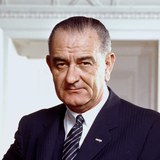
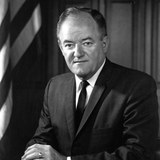
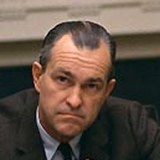
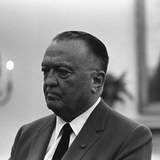
Took the oath of office on November 22, 1963, aboard Air Force One at Love Field in Dallas, after President John F. Kennedy was killed in Dallas that day. Elected on November 3, 1964, with 486 to 52 for Barry Goldwater. counted those votes on January 6, 1965. In an address on March 31, 1968, said he would not seek and would not accept his party's nomination for another term.
Sorensen, White and McPherson held the title Special Counsel to the President.
Details
AppointmentFeb 1966 · appointed by the president · after Lee C. White left
Term endedJan 20, 1969 · The Johnson administration ended on January 20, 1969.
Special Assistant to the President from August 1965. Johnson announced on February 11, 1966 that McPherson would succeed White as Counsel to the President. The State Department history says he was Special Assistant to the President until February 1966 and Special Counsel after that. The LBJ Library says he held the post to the end of the Johnson administration. No source we checked gives the day he took over.
Harry McPherson, 1967 · Yoichi Okamoto · Public domain · Wikimedia Commons
Lee C. WhiteFeb 1965 — Feb 1966appointed
AppointmentFeb 1965 · appointed by the president · after Myer Feldman left
Moved to another postFeb 1966 · Johnson announced on February 11, 1966 that he was appointing White Chairman of the Federal Power Commission. White was sworn in as Chairman on March 2, 1966.
Associate Counsel before that. Johnson said on January 16, 1965 that White would become Special Counsel to the President when Feldman left. The JFK Library says Feldman left in February 1965. No source we checked gives the day White took over.
AppointmentApr 1964 · appointed by the president · after Ted Sorensen left
ResignationFeb 1965 · Johnson announced his resignation on January 16, 1965 and said he was respecting the personal wishes of the staff members who were leaving. The JFK Library says Feldman left the White House in February 1965 and returned to private law practice.
Deputy Special Counsel to President Kennedy. Johnson said on April 4, 1964 that he had asked Feldman to be his General Counsel when he returned from a trip. The JFK Library says Johnson promoted him to Counsel in April 1964. No source we checked gives the day.
AppointmentNov 22, 1963 · appointed by the president · from the start of the term
ResignationFeb 29, 1964 · Johnson accepted his resignation as Special Counsel in a letter released on January 15, 1964. Johnson wrote that the memory of John F. Kennedy would be made richer by Sorensen's book.
Special Counsel to President Kennedy. The Public Papers say he served as Special Counsel to the President from January 21, 1961 to February 29, 1964.
AppointmentFeb 1, 1967 · appointed by the president · after Bill Moyers left
Term endedJan 20, 1969 · The Johnson administration ended on January 20, 1969.
The LBJ Library dates his service as Press Secretary from February 1, 1967 to January 20, 1969. It says he started holding press conferences in October 1966. White House messages in November and December 1966 were read by Christian as Acting Press Secretary.
George Christian, 1968 · Yoichi Okamoto · Public domain · Wikimedia Commons
Bill MoyersJul 8, 1965 — Feb 1, 1967appointed
AppointmentJul 8, 1965 · appointed by the president · after George Reedy left
ResignationFeb 1, 1967 · The Associated Press reported that the Vietnam War took its toll on Moyers and that he resigned in December 1966. He became publisher of Newsday in 1967.
Special Assistant to the President before that. Time reported that he kept those duties when he became Press Secretary. The LBJ Library dates his service as Press Secretary from July 8, 1965 to February 1, 1967. The State Department history ends it on January 31, 1967.
AppointmentMar 19, 1964 · appointed by the president · after Pierre Salinger left
DepartureJul 8, 1965 · Time reported on July 16, 1965 that Reedy took a leave of absence for physical reasons. It said a foot ailment would probably need a series of operations and that the leave seemed likely to be permanent.
Special Assistant to the President before that. The LBJ Library and the State Department history give his dates as Press Secretary as March 19, 1964 to July 8, 1965.
Pierre SalingerNov 22, 1963 — Mar 19, 1964appointed
AppointmentNov 22, 1963 · appointed by the president · from the start of the term
ResignationMar 19, 1964 · The Public Papers say he resigned on March 19, 1964 to run for the Democratic nomination for the Senate in California.
Press Secretary to President Kennedy. The Miller Center says he held the post from January 1961. The LBJ Library dates his service under Johnson from November 22, 1963 to March 19, 1964.
AppointmentApr 1, 1966 · appointed by the president · after Robert Komer left
Term endedJan 20, 1969 · The Johnson administration ended on January 20, 1969.
Counselor of the State Department and Chairman of its Policy Planning Council before that. Johnson announced on March 31, 1966 that he was naming Rostow Special Assistant to the President, to work principally but not only on foreign policy. The State Department history says the appointment took effect the next day. The NSC history says he served to the end of the administration. Its list of advisers ends his service on December 2, 1968, the date it gives for the start of Henry Kissinger's.
Walt Rostow, 1968 · Yoichi Okamoto · Public domain · Wikimedia Commons
Robert KomerMar 1966 — Apr 1, 1966acting
AppointmentMar 1966 · acting · after McGeorge Bundy left
HandoverApr 1, 1966 · Walt Rostow's appointment took effect on April 1, 1966.
Deputy Special Assistant for National Security Affairs from October 1965. Bundy told Secretary of State Rusk on February 28, 1966 that Johnson had asked Komer to hold the staff together. The State Department history says Komer acted in Bundy's place until Rostow's appointment and was acting Special Assistant during March 1966. Johnson named him on March 28, 1966 his Special Assistant for non-military programs in Vietnam. No source we checked gives the first day.
McGeorge BundyNov 22, 1963 — Feb 28, 1966appointed
AppointmentNov 22, 1963 · appointed by the president · from the start of the term
ResignationFeb 28, 1966 · Time reported in December 1965 that Bundy had accepted the post of president of the Ford Foundation, starting March 1. The State Department history says his resignation took effect on February 28, 1966.
His title was Special Assistant to the President for National Security Affairs. The NSC list of advisers dates his service from January 20, 1961, when Kennedy took office.
The Office of Management and Budget was created in 1970 from the Bureau of the Budget. The director did not need Senate confirmation in this period.
Details
AppointmentJan 29, 1968 · appointed by the president · after Charles Schultze left
Johnson swore him in on January 29, 1968. The OMB list of former directors gives his dates as January 29, 1968 to January 21, 1969. Remained in the post after January 20, 1969.
Charles SchultzeJun 1, 1965 — Jan 28, 1968appointed
AppointmentJun 1, 1965 · appointed by the president · after Kermit Gordon left
ResignationJan 28, 1968 · The White House announced his resignation together with the appointment of Charles Zwick. Johnson said Schultze was going to the Brookings Institution and the University of Maryland.
Johnson accepted his resignation as Assistant Director of the Bureau of the Budget in a letter released on February 9, 1965. He was sworn in as Director at a ceremony on June 1, 1965. The OMB list of former directors gives his dates as June 1, 1965 to January 28, 1968.
AppointmentNov 22, 1963 · appointed by the president · from the start of the term
ResignationJun 1, 1965 · His letter of resignation was dated May 26, 1965. Johnson said in 1968 that Gordon left in 1965 for the Brookings Institution.
Director since December 28, 1962 under Kennedy. The Public Papers say he served through June 1, 1965. Johnson said in 1968 that Gordon served the Kennedy administration and then him.
AppointmentJan 20, 1965 · elected in November 2024 · the post had been vacant
Term endedJan 20, 1969 · The Johnson administration ended on January 20, 1969.
He was elected Vice President in 1964 with 486 electoral votes, the National Archives says. He took the vice presidential oath at the inauguration on January 20, 1965, the Joint Congressional Committee on Inaugural Ceremonies says.
Hubert Humphrey, 1965 · Library of Congress · Public domain · Wikimedia Commons
VacantNov 22, 1963 — Jan 20, 1965
Johnson was Vice President and became President on November 22, 1963 after President Kennedy was assassinated. The Constitution then made no provision for filling a vacancy in the vice presidency, so the office stayed empty until the next election, the Congressional Research Service says. The 25th Amendment, which lets the President nominate a Vice President subject to approval by both houses of Congress, was ratified only in 1967.
AppointmentNov 22, 1963 · nominated by the president, confirmed by the Senate · from the start of the term
Term endedJan 20, 1969 · The Johnson administration ended on January 20, 1969.
President Kennedy appointed him Secretary of State. The Office of the Historian gives January 21, 1961 as his appointment and entry on duty and January 20, 1969 as the end of his appointment.
Oct 3, 1966 — Jan 20, 1969Senate vote Sep 30, 1966
Details
AppointmentOct 3, 1966 · nominated by the president, confirmed by the Senate on Sep 30, 1966 · after George Ball left
Term endedJan 20, 1969 · The Johnson administration ended on January 20, 1969.
Attorney General before he took the post. President Johnson announced on September 21, 1966 that Katzenbach would resign as Attorney General and become Under Secretary. The Senate confirmed him on September 30, 1966 with no roll call, the Congressional Record Daily Digest shows. The Office of the Historian gives September 30, 1966 as his appointment, October 3, 1966 as his entry on duty and January 20, 1969 as the end of his appointment. President Johnson spoke at his swearing-in on October 3, 1966.
Nicholas Katzenbach, 1968 · Yoichi R. Okamoto, White House Press Office (WHPO) · Public domain · Wikimedia Commons
George BallNov 22, 1963 — Sep 30, 1966Senate-confirmed
AppointmentNov 22, 1963 · nominated by the president, confirmed by the Senate · from the start of the term
ResignationSep 30, 1966 · President Johnson said on September 21, 1966 that Ball had written to him on September 17, 1966 and that he had accepted the resignation. Johnson said it had been known for some time that Ball wanted to leave in the fall.
President Kennedy appointed him Under Secretary of State, then the second-ranking post in the department. The Office of the Historian says he was appointed on November 29, 1961 during a recess of the Senate, entered on duty on December 4, 1961 and was commissioned again on January 30, 1962, after the Senate confirmed him. It gives September 30, 1966 as the end of his appointment.
AppointmentJan 1969 · nominated by the president, confirmed by the Senate on Jan 9, 1969
Term endedJan 20, 1969 · The Johnson administration ended on January 20, 1969.
The Senate received the nomination and confirmed it on January 9, 1969 with no roll call, the Congressional Record Daily Digest shows. No source consulted gives the day he was appointed after confirmation. The Treasury says he resigned at the end of President Johnson's term to become president of the American Security Trust Company in Washington.
Joseph BarrDec 21, 1968 — Jan 1969recess appointment
AppointmentDec 21, 1968 · recess appointment by the president · after Henry Fowler left
Permanent appointmentJan 1969 · The Senate confirmed him on January 9, 1969 with no roll call, the Congressional Record Daily Digest shows.
Under Secretary of the Treasury before he took the post. A Treasury release of December 23, 1968 says President Johnson announced that day a recess appointment of Barr as Secretary for the rest of the administration. The Treasury lists his service from December 21, 1968 to January 20, 1969.
Henry FowlerApr 1, 1965 — Dec 20, 1968Senate-confirmed
AppointmentApr 1, 1965 · nominated by the president, confirmed by the Senate on Mar 25, 1965 · after Douglas Dillon left
ResignationDec 20, 1968 · The Treasury says he resigned a month before the end of President Johnson's term to become a private banker. Johnson accepted the resignation in a letter of November 8, 1968. A Treasury release says it took effect on December 20, 1968.
Under Secretary of the Treasury from 1961 to 1964, the Treasury says. The Senate received his nomination on March 18, 1965 and confirmed him on March 25, 1965 with no roll call, the Congressional Record Daily Digest shows. He took the oath at the White House on April 1, 1965.
Douglas DillonNov 22, 1963 — Apr 1, 1965Senate-confirmed
AppointmentNov 22, 1963 · nominated by the president, confirmed by the Senate · from the start of the term
ResignationApr 1, 1965 · The Treasury says he resigned to return to private finance. President Johnson accepted the resignation in a letter released on March 31, 1965.
President Kennedy appointed him Secretary of the Treasury. The Treasury lists his service from January 21, 1961 to April 1, 1965.
Mar 1, 1968 — Jan 20, 1969Senate vote Jan 30, 1968
Details
AppointmentMar 1, 1968 · nominated by the president, confirmed by the Senate on Jan 30, 1968 · after Robert McNamara left
Term endedJan 20, 1969 · The Johnson administration ended on January 20, 1969.
Special counsel to President Truman from 1946 to 1950. President Johnson announced his choice on January 19, 1968, the Defense Department's Historical Office says. The Senate confirmed him on January 30, 1968 with no roll call, the Congressional Record Daily Digest shows. President Johnson spoke at his swearing-in on March 1, 1968. The Historical Office dates his service from March 1, 1968 to January 20, 1969.
Clark Clifford, 1968 · Yoici Okamoto · Public domain · Wikimedia Commons
Robert McNamaraNov 22, 1963 — Feb 29, 1968Senate-confirmed
AppointmentNov 22, 1963 · nominated by the president, confirmed by the Senate · from the start of the term
Moved to another postFeb 29, 1968 · He left to become President of the World Bank. President Johnson said on November 29, 1967 that McNamara had told him he was interested in the post and believed the department would benefit from a fresh person.
President Kennedy appointed him Secretary of Defense. The Defense Department's Historical Office dates his service from January 21, 1961 to February 29, 1968.
Jul 1, 1967 — Jan 20, 1969Senate vote Jun 29, 1967
Details
AppointmentJul 1, 1967 · nominated by the president, confirmed by the Senate on Jun 29, 1967 · after Cyrus Vance left
Term endedJan 20, 1969 · The Johnson administration ended on January 20, 1969.
Secretary of the Navy from 1963 to 1967, the Defense Department's Historical Office says. The Senate confirmed him on June 29, 1967 with no roll call, the Congressional Record Daily Digest shows. The Historical Office dates his service from July 1, 1967 to January 20, 1969.
Cyrus VanceJan 28, 1964 — Jun 30, 1967Senate-confirmed
AppointmentJan 28, 1964 · nominated by the president, confirmed by the Senate on Jan 27, 1964 · after Roswell Gilpatric left
ResignationJun 30, 1967 · The Defense Department's Historical Office says a back problem caused him to resign in June 1967. He returned to his law firm.
Secretary of the Army before he took the post. President Johnson appointed him on Secretary McNamara's recommendation, the Defense Department's Historical Office says. The Congressional Record Daily Digest lists his confirmation on January 27, 1964 with no roll call. The Historical Office gives January 28, 1964 for both the confirmation and the start of his service, and dates his service to June 30, 1967.
Roswell GilpatricNov 22, 1963 — Jan 20, 1964Senate-confirmed
AppointmentNov 22, 1963 · nominated by the president, confirmed by the Senate · from the start of the term
ResignationJan 20, 1964 · The Defense Department's Historical Office says he had wanted to return to his law firm in early 1963, but a Senate inquiry into a fighter plane contract delayed his departure. President Johnson formally accepted his resignation in January 1964.
President Kennedy appointed him. The Senate confirmed him on January 23, 1961 and he took the oath the next day, the Defense Department's Historical Office says. It dates his service from January 24, 1961 to January 20, 1964.
Mar 10, 1967 — Jan 20, 1969Senate vote Mar 2, 1967
Details
AppointmentMar 10, 1967 · nominated by the president, confirmed by the Senate on Mar 2, 1967
Term endedJan 20, 1969 · The Johnson administration ended on January 20, 1969.
The United States Reports record that he was nominated on February 28, 1967, confirmed and commissioned on March 2, 1967 and took the oath on March 10, 1967. The Congressional Record Daily Digest shows no roll call. The Justice Department says he served until January 20, 1969.
Ramsey Clark, 1968 · Frank Wolfe, White House Press Office (WHPO) · Public domain · Wikimedia Commons
Ramsey ClarkOct 3, 1966 — Mar 10, 1967acting
AppointmentOct 3, 1966 · acting · after Nicholas Katzenbach left
Permanent appointmentMar 10, 1967 · He took office as Attorney General on March 10, 1967.
Deputy Attorney General. The United States Reports record that he became Acting Attorney General on October 3, 1966, the day Katzenbach became Under Secretary of State, and that President Johnson nominated him to be Attorney General on February 28, 1967.
Nicholas KatzenbachFeb 13, 1965 — Oct 3, 1966Senate-confirmed
AppointmentFeb 13, 1965 · nominated by the president, confirmed by the Senate on Feb 10, 1965
Moved to another postOct 3, 1966 · He became Under Secretary of State on October 3, 1966, the United States Reports record.
The United States Reports record that he was nominated on January 28, 1965, confirmed on February 10, 1965, commissioned on February 11, 1965 and took the oath on February 13, 1965. The Congressional Record Daily Digest shows no roll call. The Justice Department dates his time as Attorney General from February 11, 1965 to October 2, 1966.
Nicholas KatzenbachSep 3, 1964 — Feb 13, 1965acting
AppointmentSep 3, 1964 · acting · after Robert F. Kennedy left
Permanent appointmentFeb 13, 1965 · He took office as Attorney General on February 13, 1965.
Deputy Attorney General. The United States Reports record that he became Acting Attorney General when Kennedy resigned on September 3, 1964 and that President Johnson nominated him to be Attorney General on January 28, 1965.
Robert F. KennedyNov 22, 1963 — Sep 3, 1964Senate-confirmed
AppointmentNov 22, 1963 · nominated by the president, confirmed by the Senate · from the start of the term
ResignationSep 3, 1964 · President Johnson accepted his resignation on September 3, 1964 and wrote that Kennedy intended to continue his service to the country. Kennedy was elected to the Senate from New York in 1964, the Justice Department says.
President Kennedy appointed him Attorney General on January 21, 1961. He held the office until September 3, 1964, the Justice Department says.
AppointmentNov 22, 1963 · nominated by the president, confirmed by the Senate · from the start of the term
Term endedJan 20, 1969 · The Johnson administration ended on January 20, 1969.
President Kennedy appointed him. The Interior Department lists him as nominated, confirmed and taking office on January 21, 1961 and serving under Presidents Kennedy and Johnson until January 20, 1969.
Stewart Udall, 1964 · Robert Knudsen · Public domain · Wikimedia Commons
Secretary of Agriculture
Orville FreemanSenate-confirmed
Nov 22, 1963 — Jan 20, 1969
Details
AppointmentNov 22, 1963 · nominated by the president, confirmed by the Senate · from the start of the term
Term endedJan 20, 1969 · The Johnson administration ended on January 20, 1969.
Governor of Minnesota before he took the post. President Kennedy chose him as Secretary of Agriculture. The Agriculture Department dates his service from January 21, 1961 to January 20, 1969.
Orville Freeman, 1964 · Various library photographers · Public domain · Wikimedia Commons
Secretary of Commerce
C. R. SmithSenate-confirmed
Mar 6, 1968 — Jan 19, 1969Senate vote Mar 1, 1968
Details
AppointmentMar 6, 1968 · nominated by the president, confirmed by the Senate on Mar 1, 1968 · after Alexander Trowbridge left
DepartureJan 19, 1969
The Senate confirmed him on March 1, 1968 with no roll call, the Congressional Record Daily Digest shows. President Johnson spoke at his swearing-in on March 6, 1968. The Commerce Department dates his service from March 6, 1968 to January 19, 1969, the day before the administration ended.
Alexander TrowbridgeJun 14, 1967 — Mar 1, 1968Senate-confirmed
AppointmentJun 14, 1967 · nominated by the president, confirmed by the Senate on Jun 8, 1967
ResignationMar 1, 1968 · President Johnson accepted his resignation on February 16, 1968. Johnson wrote of his concern for Trowbridge's health and the physical stress that further duty would impose.
The Senate confirmed him on June 8, 1967 with no roll call, the Congressional Record Daily Digest shows. President Johnson spoke at his swearing-in on June 14, 1967. The Commerce Department dates his service as Secretary from June 14, 1967 to March 1, 1968.
Alexander TrowbridgeFeb 1, 1967 — Jun 14, 1967acting
AppointmentFeb 1, 1967 · acting · after John T. Connor left
Permanent appointmentJun 14, 1967 · He took office as Secretary of Commerce on June 14, 1967.
Assistant Secretary of Commerce for Domestic and International Business. In a letter of February 1, 1967, published in the Federal Register, President Johnson designated him Acting Secretary of Commerce from that day, in view of the Secretary's resignation.
John T. ConnorJan 18, 1965 — Jan 31, 1967Senate-confirmed
AppointmentJan 18, 1965 · nominated by the president, confirmed by the Senate on Jan 15, 1965 · after Luther Hodges left
ResignationJan 31, 1967 · President Johnson accepted his resignation in a letter of January 18, 1967. Johnson wrote that Connor had given two full years to his country and referred to the personal decisions Connor must now make.
When President Johnson announced the nomination on December 16, 1964, he said Connor had been president of Merck and Company until the day before. The Senate confirmed him on January 15, 1965 with no roll call, the Congressional Record Daily Digest shows. Johnson spoke at his swearing-in on January 18, 1965. The Commerce Department dates his service from January 18, 1965 to January 31, 1967.
Luther HodgesNov 22, 1963 — Jan 15, 1965Senate-confirmed
AppointmentNov 22, 1963 · nominated by the president, confirmed by the Senate · from the start of the term
ResignationJan 15, 1965 · At the White House on December 16, 1964 Hodges said he wanted to carry out a long-term plan of finishing at the end of a four-year term because he would soon be approaching 67. President Johnson accepted the resignation the same day.
President Kennedy appointed him. The Commerce Department dates his service from January 21, 1961 to January 15, 1965.
May 16, 1968 — Jan 20, 1969Senate vote May 9, 1968
The Department of Health, Education, and Welfare. It became the Department of Health and Human Services on May 4, 1980.
Details
AppointmentMay 16, 1968 · nominated by the president, confirmed by the Senate on May 9, 1968
Term endedJan 20, 1969 · The Johnson administration ended on January 20, 1969.
President Johnson announced his choice on March 22, 1968. The Senate confirmed him on May 9, 1968 with no recorded vote, the Congressional Record Daily Digest shows. President Johnson spoke at his swearing-in on May 16, 1968. The archived HHS list gives his tenure as May 16, 1968 to January 20, 1969.
AppointmentMar 1968 · acting · after John W. Gardner left
Permanent appointmentMay 16, 1968 · The Senate confirmed him as Secretary on May 9, 1968 with no recorded vote, the Congressional Record Daily Digest shows.
Under Secretary of the department. On February 16, 1968 President Johnson said he expected the Under Secretary to act as Secretary for at least a few weeks. The archived HHS list ends Gardner's tenure on March 1, 1968. The first record found of Cohen as Acting Secretary is Senate testimony on March 12, 1968. The LBJ Library lists his service as Secretary from March 1, 1968 without saying he was acting. The day he began to act was not found.
John W. GardnerAug 18, 1965 — Mar 1, 1968Senate-confirmed
AppointmentAug 18, 1965 · nominated by the president, confirmed by the Senate on Aug 11, 1965 · after Anthony J. Celebrezze left
ResignationMar 1, 1968 · President Johnson accepted his resignation in a letter of January 25, 1968. The President wrote that Gardner was going to "undertake leadership in the area of pressing urban problems".
President of the Carnegie Corporation for 10 years, President Johnson said when he announced the nomination on July 27, 1965. The Senate confirmed him on August 11, 1965 with no recorded vote, the Congressional Record Daily Digest shows. President Johnson spoke at his swearing-in on August 18, 1965. The archived HHS list gives his tenure as August 18, 1965 to March 1, 1968.
Anthony J. CelebrezzeNov 22, 1963 — Aug 17, 1965Senate-confirmed
AppointmentNov 22, 1963 · nominated by the president, confirmed by the Senate · from the start of the term
Moved to another postAug 17, 1965 · He was named a judge of the U.S. Court of Appeals for the Sixth Circuit. President Johnson announced the nomination on July 27, 1965 and accepted his resignation in a letter dated that day.
Appointed by President Kennedy, who spoke at his swearing-in on July 31, 1962. The archived HHS list gives his tenure as July 31, 1962 to August 17, 1965.
Head of the Housing and Home Finance Agency. The Department of Housing and Urban Development took over its work on November 9, 1965.
Details
The law creating the Department of Housing and Urban Development was approved on September 9, 1965. It took effect 60 days later and moved the agency's work to the new department. Weaver signed an interim order as Housing and Home Finance Administrator, effective November 9, 1965. It says that until a Secretary is appointed, the Administrator named in earlier rules means the Administrator in the new department.
The department was created by a law approved on September 9, 1965. It took over the work of the Housing and Home Finance Agency on November 9, 1965.
Details
AppointmentJan 2, 1969 · recess appointment by the president · after Robert C. Weaver left
Term endedJan 20, 1969 · The Johnson administration ended on January 20, 1969.
Under Secretary of the department, confirmed with Weaver on January 17, 1966. The Senate received his nomination as Secretary on January 9, 1969, for the office to which he had been appointed during the last recess of the Senate, the Congressional Record shows. HUD says he served between Weaver and Romney with a recess appointment from President Johnson. It says the nomination was never acted on and that he was therefore never sworn in as Secretary. The LBJ Library lists him as Secretary from January 2, 1969 to January 20, 1969. No other source we checked gives these two days.
Robert C. WeaverJan 18, 1966 — Dec 18, 1968Senate-confirmed
AppointmentJan 18, 1966 · nominated by the president, confirmed by the Senate on Jan 17, 1966
DepartureDec 18, 1968
Housing and Home Finance Administrator before. President Johnson announced his choice on January 13, 1966. The Senate confirmed him on January 17, 1966 with no recorded vote, the Congressional Record Daily Digest shows. President Johnson said the Senate confirmed him unanimously. He was sworn in at the White House on January 18, 1966, with President Johnson present. HUD lists his tenure as January 18, 1966 to December 18, 1968. The LBJ Library lists it as January 17, 1966 to January 1, 1969.
Jan 16, 1967 — Jan 20, 1969Senate vote Jan 12, 1967
The department was created by a law signed on October 15, 1966. It began operations on April 1, 1967.
Details
AppointmentJan 16, 1967 · nominated by the president, confirmed by the Senate on Jan 12, 1967
Term endedJan 20, 1969 · The Johnson administration ended on January 20, 1969.
Under Secretary of Commerce for Transportation since June 1, 1965, a statement by Senator Spessard Holland printed in the Congressional Record says. The Senate received his nomination on January 10, 1967 and confirmed him on January 12, 1967 with no recorded vote, the Congressional Record shows. President Johnson spoke at his swearing-in on January 16, 1967. The Transportation Department lists his tenure as January 16, 1967 to January 20, 1969.
Head of the Veterans Administration. It became the Department of Veterans Affairs on March 15, 1989.
Details
AppointmentFeb 2, 1965 · nominated by the president, confirmed by the Senate on Feb 2, 1965
The Senate confirmed him by 75-7 on February 2, 1965, the Congressional Record roll call shows. Voteview counts 74-7 for the same vote. The day of his new commission was not found. President Johnson spoke of him as the Veterans Administrator on November 20, 1968. He signed the VA annual report for 1968 as Administrator on January 3, 1969. The VA list of its heads gives his service as 1965 to 1969. No source we checked gives the day he left.
William J. DriverJan 1965 — Feb 2, 1965recess appointment
AppointmentJan 1965 · recess appointment by the president · after John S. Gleason Jr. left
Permanent appointmentFeb 2, 1965 · The Senate confirmed him on February 2, 1965 by 75-7, the Congressional Record shows.
A career official of the Veterans Administration for 16 years, President Johnson said when he announced the appointment on December 26, 1964. The Senate received his nomination on January 6, 1965 for the office to which he had been appointed during the last recess of the Senate, the Congressional Record shows. He signed an order as Administrator of Veterans Affairs effective January 2, 1965, the Federal Register shows. The day he took office was not found.
John S. Gleason Jr.Nov 22, 1963 — Jan 1965Senate-confirmed
AppointmentNov 22, 1963 · nominated by the president, confirmed by the Senate · from the start of the term
DepartureJan 1965
The Senate confirmed him on January 30, 1961, under President Kennedy, with no recorded vote, the Congressional Record shows. The VA list of its heads gives his service as 1961 to 1965. An order his successor signed as Administrator, effective January 2, 1965, refers to the end of Gleason's appointment. The day he left was not found.
Jun 30, 1966 — Jan 20, 1969Senate vote Jun 28, 1966
The Director of Central Intelligence headed the CIA and the whole intelligence community. The title became Director of the Central Intelligence Agency in 2005, a CIA history shows.
Details
AppointmentJun 30, 1966 · nominated by the president, confirmed by the Senate on Jun 28, 1966 · after William Raborn left
Deputy Director of Central Intelligence before, sworn in with Raborn on April 28, 1965. President Johnson named him on June 18, 1966. The Senate confirmed him on June 28, 1966 with no recorded vote, the Congressional Record Daily Digest shows. President Johnson spoke at his swearing-in on June 30, 1966. A CIA history gives his tenure as June 30, 1966 to February 2, 1973. Remained in the post after January 20, 1969.
Richard Helms, 1968 · White House Photograph Office · Public domain · Wikimedia Commons
William RabornApr 28, 1965 — Jun 30, 1966Senate-confirmed
AppointmentApr 28, 1965 · nominated by the president, confirmed by the Senate on Apr 22, 1965 · after John McCone left
ResignationJun 30, 1966 · President Johnson accepted his resignation on June 18, 1966. The President said Raborn had agreed to serve for an indefinite period and now wanted to return to California.
A retired Navy vice admiral. The Senate confirmed him on April 22, 1965 with no recorded vote, the Congressional Record Daily Digest shows. President Johnson spoke at his swearing-in on April 28, 1965. A CIA history gives his tenure as April 28, 1965 to June 30, 1966.
John McConeNov 22, 1963 — Apr 28, 1965Senate-confirmed
AppointmentNov 22, 1963 · nominated by the president, confirmed by the Senate · from the start of the term
ResignationApr 28, 1965 · A CIA history says that with President Johnson's election in 1964 he planned his departure, and the President agreed. President Johnson later spoke of "the resignation of Mr. McCone".
Appointed by President Kennedy, who spoke at his swearing-in on November 29, 1961. A CIA history gives his tenure as November 29, 1961 to April 28, 1965.
Mar 24, 1967 — Jan 20, 1969Senate vote Feb 28, 1967
In 1980 the post was renamed United States Trade Representative.
Details
AppointmentMar 24, 1967 · nominated by the president, confirmed by the Senate on Feb 28, 1967
Term endedJan 20, 1969 · The Johnson administration ended on January 20, 1969.
The Senate received his nomination on January 30, 1967 and confirmed him on February 28, 1967 with no recorded vote, the Congressional Record Daily Digest shows. President Johnson issued a statement on his swearing-in on March 24, 1967. The State Department records his appointment on February 28, 1967, his entry on duty on March 24, 1967 and the end of his appointment on January 20, 1969.
AppointmentFeb 1967 · acting · after Christian Herter left
Permanent appointmentMar 24, 1967 · The Senate confirmed him as Special Representative on February 28, 1967 with no recorded vote, the Congressional Record Daily Digest shows. He was sworn in on March 24, 1967.
Herter's deputy for more than 3 years, President Johnson said. The first record found of him as Acting Special Representative is a House subcommittee briefing on February 15, 1967. The day he began to act was not found.
Christian HerterNov 22, 1963 — Dec 30, 1966Senate-confirmed
AppointmentNov 22, 1963 · nominated by the president, confirmed by the Senate · from the start of the term
DepartureDec 30, 1966 · He died on the night of December 30, 1966, President Johnson said the next day. He was leading the Kennedy Round trade negotiations to the day of his death, the President said.
Appointed by President Kennedy, during a recess of the Senate, the State Department records show. They give his appointment and entry on duty as December 10, 1962. The Senate confirmed him on February 19, 1963 with no recorded vote, the Congressional Record Daily Digest shows. The State Department records a new commission after confirmation on February 27, 1963 and the end of his appointment on December 30, 1966.
AppointmentOct 4, 1968 · nominated by the president, confirmed by the Senate on Oct 4, 1968 · after George Ball left
Term endedJan 20, 1969 · The Johnson administration ended on January 20, 1969.
Editor of The Washington Post, President Johnson said when he announced his choice on September 26, 1968. The Senate received his nomination that day and confirmed him on October 4, 1968 with no recorded vote, the Congressional Record Daily Digest shows. President Johnson spoke at his swearing-in on October 4, 1968. The State Department records his appointment on October 4, 1968, the presentation of his credentials on October 7, 1968 and the end of his mission on January 20, 1969.
George BallJun 24, 1968 — Sep 25, 1968Senate-confirmed
AppointmentJun 24, 1968 · nominated by the president, confirmed by the Senate on May 13, 1968 · after Arthur Goldberg left
ResignationSep 25, 1968 · President Johnson accepted his resignation on September 26, 1968. The President said the reasons had nothing to do with public policy but had something to do with domestic politics.
Under Secretary of State from 1961 to 1966, the State Department records show. President Johnson announced his choice on April 25, 1968. The Senate confirmed him on May 13, 1968 with no recorded vote, the Congressional Record shows. He was sworn in on June 24, 1968, with President Johnson present. The State Department records the presentation of his credentials on June 26, 1968 and the end of his mission on September 25, 1968.
Arthur GoldbergJul 26, 1965 — Jun 24, 1968Senate-confirmed
AppointmentJul 26, 1965 · nominated by the president, confirmed by the Senate on Jul 23, 1965 · after Adlai Stevenson left
ResignationJun 24, 1968 · President Johnson said on April 25, 1968 that he had accepted the resignation. The President said Goldberg wished to leave the post for personal reasons.
He left the Supreme Court to take the post, President Johnson said in 1968. President Johnson announced his choice on July 20, 1965. The Senate confirmed him on July 23, 1965 with no recorded vote, the Congressional Record Daily Digest shows. President Johnson spoke at his swearing-in in the Rose Garden on July 26, 1965. The State Department records his appointment on July 26, 1965, the presentation of his credentials on July 28, 1965 and the end of his mission on June 24, 1968.
AppointmentNov 22, 1963 · nominated by the president, confirmed by the Senate · from the start of the term
DepartureJul 14, 1965 · He died in office on July 14, 1965, the LBJ Library says.
Appointed by President Kennedy. The State Department records his appointment on January 21, 1961, the presentation of his credentials on January 23, 1961 and the end of his mission on July 14, 1965.
Aug 1, 1968 — Jan 20, 1969Senate vote Jul 19, 1968
Small Business Administration.
Details
AppointmentAug 1, 1968 · nominated by the president, confirmed by the Senate on Jul 19, 1968 · after Robert C. Moot left
The Senate received his nomination on June 28, 1968 and confirmed him on July 19, 1968 with no recorded vote, the Congressional Record Daily Digest shows. The SBA list of administrators gives his tenure as August 1, 1968 to February 22, 1969. Remained in the post after January 20, 1969.
Robert C. MootAug 1, 1967 — Jul 31, 1968Senate-confirmed
AppointmentAug 1, 1967 · nominated by the president, confirmed by the Senate on Jul 13, 1967 · after Bernard L. Boutin left
Moved to another postJul 31, 1968 · He was named an Assistant Secretary of Defense. The Senate received that nomination on June 28, 1968, the Congressional Record Daily Digest shows.
President Johnson announced his appointment as Deputy Administrator of the SBA on November 13, 1966. The Senate received his nomination as Administrator on July 10, 1967 and confirmed him on July 13, 1967 with no recorded vote, the Congressional Record Daily Digest shows. The SBA list of administrators gives his tenure as August 1, 1967 to July 31, 1968.
Bernard L. BoutinMay 19, 1966 — Jul 31, 1967Senate-confirmed
AppointmentMay 19, 1966 · nominated by the president, confirmed by the Senate on May 16, 1966 · after Eugene P. Foley left
DepartureJul 31, 1967
Deputy Director of the Office of Economic Opportunity before, President Johnson said at his swearing-in. The Senate received his nomination on May 9, 1966 and confirmed him on May 16, 1966 with no recorded vote, the Congressional Record Daily Digest shows. President Johnson spoke at his swearing-in on May 19, 1966. The SBA list of administrators gives his tenure as May 19, 1966 to July 31, 1967.
Eugene P. FoleyNov 22, 1963 — Sep 10, 1965Senate-confirmed
AppointmentNov 22, 1963 · nominated by the president, confirmed by the Senate · from the start of the term
Moved to another postSep 10, 1965 · He became Assistant Secretary of Commerce for Economic Development. President Johnson said on August 25, 1965 that he would nominate him to that post.
Appointed by President Kennedy. The SBA list of administrators gives his tenure as August 8, 1963 to September 10, 1965.
Head of the Post Office Department, a Cabinet post until the U.S. Postal Service began operations on July 1, 1971.
Details
AppointmentApr 26, 1968 · nominated by the president, confirmed by the Senate on Apr 23, 1968 · after Lawrence F. O'Brien left
Term endedJan 20, 1969 · The Johnson administration ended on January 20, 1969.
Appointments Secretary to President Johnson before, the President said on April 10, 1968. The Senate confirmed him on April 23, 1968 by unanimous consent, with no recorded vote, the Congressional Record shows. President Johnson spoke at his swearing-in on April 26, 1968. The Postal Service list gives April 26, 1968 as the day he took office. The LBJ Library lists his service until January 20, 1969.
Lawrence F. O'BrienNov 3, 1965 — Apr 1968Senate-confirmed
AppointmentNov 3, 1965 · nominated by the president, confirmed by the Senate on Sep 1, 1965 · after John A. Gronouski left
ResignationApr 1968 · President Johnson said on April 10, 1968 that he had accepted the resignation. The President said O'Brien wished to enter private life.
Special Assistant to the President before, the American Presidency Project notes. The Senate received his nomination on August 30, 1965 and confirmed him on September 1, 1965 with no recorded vote, the Congressional Record Daily Digest shows. He was sworn in at the post office in Hye, Texas, on November 3, 1965, with President Johnson present. The Postal Service list gives November 3, 1965 as the day he took office. His last day in office was not found.
John A. GronouskiNov 22, 1963 — Nov 3, 1965Senate-confirmed
AppointmentNov 22, 1963 · nominated by the president, confirmed by the Senate · from the start of the term
Moved to another postNov 3, 1965 · He became Ambassador to Poland. He was sworn in to that post at the LBJ Ranch on November 3, 1965, with President Johnson present.
Appointed by President Kennedy, who spoke at his swearing-in on September 30, 1963. The Postal Service list of Postmasters General gives September 30, 1963 as the day he took office.
AppointmentNov 22, 1963 · appointed by the president · from the start of the term
Holdover. Attorney General Harlan Fiske Stone appointed him acting director of the bureau on May 10, 1924 and he was named director by the end of that year, the FBI says. President Johnson exempted him from compulsory retirement for age for an indefinite period by Executive Order 11154 of May 8, 1964. Remained in the post after January 20, 1969.
J. Edgar Hoover, 1967 · Yoichi R. Okamoto · Public domain · Wikimedia Commons
Commissioner of Narcotics
Post ended
Apr 8, 1968 — Jan 20, 1969
Head of the Bureau of Narcotics, part of the Treasury.
Details
Reorganization Plan No. 1 of 1968 abolished the Bureau of Narcotics in the Treasury, effective April 8, 1968. Its work and that of the Bureau of Drug Abuse Control went to the new Bureau of Narcotics and Dangerous Drugs in the Justice Department.
Henry GiordanoNov 22, 1963 — Apr 8, 1968Senate-confirmed
AppointmentNov 22, 1963 · nominated by the president, confirmed by the Senate · from the start of the term
Moved to another postApr 8, 1968 · Reorganization Plan No. 1 of 1968 abolished the Bureau of Narcotics and the office of Commissioner of Narcotics on April 8, 1968. The attorney general designated Giordano an associate director of the new Bureau of Narcotics and Dangerous Drugs.
Holdover. President Kennedy announced his appointment on July 5, 1962 and he took the oath on August 17, 1962, the Treasury said. The Senate received the nomination on July 6, 1962 and confirmed it on August 6, 1962, the Congressional Record shows. Deputy commissioner before.
Director of the Bureau of Narcotics and Dangerous Drugs
John Ingersollappointed
Aug 1968 — Jan 20, 1969
Details
AppointmentAug 1968 · appointed by the president · after Henry Giordano left
A former police chief of Charlotte, North Carolina. Reorganization Plan No. 1 of 1968 says the director is appointed by the attorney general, so the post needed no Senate confirmation. The DEA dates his service as director from 1968 to 1973. The first record found of him as director is an order he signed as director on August 13, 1968, published in the Federal Register on August 21, 1968. The day he took office is not on record. Remained in the post after January 20, 1969.
AppointmentApr 8, 1968 · appointed by the president
DepartureJul 1968
Commissioner of Narcotics before. Attorney General Ramsey Clark designated him and John Finlator associate directors of the new bureau with full authority, effective April 8, 1968. The last record found of him in that role is a rule he and Finlator signed as associate directors on July 5, 1968, published in the Federal Register on August 28, 1968. The day his role ended is not on record.
AppointmentApr 8, 1968 · appointed by the president
DepartureAug 1968
Director of the Bureau of Drug Abuse Control before. Attorney General Ramsey Clark designated him and Henry Giordano associate directors of the new bureau with full authority to perform all necessary functions, effective April 8, 1968. John Ingersoll signed as director of the bureau from August 13, 1968, the Federal Register shows. Finlator signed rules of the bureau as acting director on September 30, 1968. The day his role as head of the bureau ended is not on record.
The Justice Department office in charge of the U.S. marshals. Its head became the Director of the U.S. Marshals Service in 1970.
Details
AppointmentNov 22, 1963 · appointed by the president · from the start of the term
DepartureDec 23, 1968 · McShane died on December 23, 1968, the Justice Department's U.S. Attorneys Bulletin reported.
Holdover. Head of the Executive Office for United States Marshals from June 21, 1962, the Marshals Service says. The Congressional Record calls him Chief U.S. Marshal in 1965.
James McShane, 1962 · Marion S. Trikosko · Public domain · Wikimedia Commons
Deputy Attorney General
Warren ChristopherSenate-confirmed
Aug 5, 1967 — Jan 1969Senate vote Jul 24, 1967
Details
AppointmentAug 5, 1967 · nominated by the president, confirmed by the Senate on Jul 24, 1967 · after Ramsey Clark left
DepartureJan 1969
A Los Angeles lawyer. President Johnson announced the nomination on June 15, 1967 and the Senate received it on June 16, 1967. It confirmed him without a roll call on July 24, 1967, the Congressional Record shows. Justice Abe Fortas swore him in at the White House on August 5, 1967. The Justice Department dates his service from July 1967 to January 1969. The day he left is not on record.
Ramsey ClarkFeb 13, 1965 — Mar 1967Senate-confirmed
AppointmentFeb 13, 1965 · nominated by the president, confirmed by the Senate on Feb 10, 1965 · after Nicholas Katzenbach left
Moved to another postMar 1967 · Clark became attorney general. President Johnson appointed him on March 2, 1967, the Justice Department says.
Assistant attorney general for the Lands Division before. President Johnson nominated him on January 28, 1965. The Senate confirmed him without a roll call on February 10, 1965, the Congressional Record shows. He was sworn in with Katzenbach on February 13, 1965. On February 28, 1967 President Johnson called him the deputy attorney general and the acting attorney general. The Justice Department dates his service as deputy from February 1965 to March 1967.
Nicholas KatzenbachNov 22, 1963 — Feb 13, 1965Senate-confirmed
AppointmentNov 22, 1963 · nominated by the president, confirmed by the Senate · from the start of the term
Moved to another postFeb 13, 1965 · Katzenbach became attorney general. The Senate confirmed him on February 10, 1965 and he was sworn in on February 13, 1965.
Holdover. Deputy attorney general from May 1962, the Justice Department says. After Robert Kennedy resigned as attorney general on September 3, 1964, Katzenbach led the department as acting attorney general while still deputy, the President's letters of 1964 show. The Justice Department dates his appointment as attorney general to February 11, 1965.
Oct 23, 1967 — Jan 20, 1969Senate vote Oct 12, 1967
Details
AppointmentOct 23, 1967 · nominated by the president, confirmed by the Senate on Oct 12, 1967 · after Thurgood Marshall left
Dean of Harvard Law School since 1946. President Johnson nominated him on September 30, 1967 and the Senate confirmed him on October 12, 1967. He was commissioned the same day and took the oath on October 23, 1967, the Supreme Court's reports say. The Congressional Record lists the confirmation without a roll call. Remained in the post after January 20, 1969.
AppointmentAug 24, 1965 · nominated by the president, confirmed by the Senate on Aug 11, 1965 · after Archibald Cox left
Moved to another postSep 1, 1967 · Marshall joined the Supreme Court. The Senate confirmed him as associate justice 69-11 on August 30, 1967 and he took the constitutional oath on September 1, 1967.
A judge of the Court of Appeals for the Second Circuit before. President Johnson nominated him on July 13, 1965 and the Senate confirmed him on August 11, 1965. He was commissioned the same day and took the oath on August 24, 1965, the Supreme Court's reports say. The Congressional Record lists the confirmation without a roll call.
AppointmentNov 22, 1963 · nominated by the president, confirmed by the Senate · from the start of the term
ResignationJul 31, 1965 · Cox resigned effective July 31, 1965, the Supreme Court's reports say. President Johnson said Cox was retiring after more than four years to return to Massachusetts.
Holdover. Solicitor general from 1961, the Justice Department says. He took a four-year leave from Harvard Law School to join the Kennedy administration.
The Secret Service was part of the Treasury. On October 29, 1965 a Treasury order created the office of Director of the Secret Service and gave it all the functions of the Chief.
Details
AppointmentNov 22, 1963 · appointed by the president · from the start of the term
Holdover. Head of the Secret Service since September 1, 1961, the Treasury said. The Treasury listed him as Chief in its report for 1964 and as Director in its report for 1965. Treasury Department Order No. 173-3 of October 29, 1965 transferred the functions of the Chief to the Director. Remained in the post after January 20, 1969.
AppointmentJul 3, 1964 · nominated by the president, confirmed by the Senate on Jul 2, 1964 · after Maxwell Taylor left
Army general, chief of staff of the Army before. President Johnson announced the nomination on June 23, 1964. The Senate received it on June 25, 1964 and confirmed it without a roll call on July 2, 1964, the Congressional Record shows. The Senate confirmed his reappointment on May 16, 1966 and, for one more year, on June 25, 1968. Chairman from July 3, 1964, the Defense Department's list of key officials shows. Remained in the post after January 20, 1969.
Jul 5, 1965 — Jan 20, 1969Senate vote Jun 30, 1965
Details
AppointmentJul 5, 1965 · nominated by the president, confirmed by the Senate on Jun 30, 1965 · after Stephen Ailes left
Under secretary of the Army from April 1965. President Johnson announced the nomination on June 17, 1965. The Senate received it on June 21, 1965 and confirmed it without a roll call on June 30, 1965, the Congressional Record shows. Secretary from July 5, 1965, the Defense Department's list of key officials shows. Remained in the post after January 20, 1969.
Stanley Resor, 1969 · Unknown authorUnknown author · Public domain · Wikimedia Commons
Stephen AilesJan 28, 1964 — Jul 1, 1965Senate-confirmed
AppointmentJan 28, 1964 · nominated by the president, confirmed by the Senate on Jan 27, 1964 · after Cyrus Vance left
ResignationJul 1, 1965 · President Johnson accepted Ailes's resignation, effective July 1, 1965. Ailes was returning to his law practice in Washington, the President said.
Under secretary of the Army from February 9, 1961. The Senate received the nomination on January 15, 1964 and confirmed it without a roll call on January 27, 1964, the Congressional Record shows. Secretary from January 28, 1964 to July 1, 1965, the Defense Department's list of key officials shows.
Cyrus VanceNov 22, 1963 — Jan 27, 1964Senate-confirmed
AppointmentNov 22, 1963 · nominated by the president, confirmed by the Senate · from the start of the term
Moved to another postJan 27, 1964 · Vance became deputy secretary of defense on January 28, 1964. The Senate confirmed him for that post on January 27, 1964.
Holdover. Secretary of the Army from July 5, 1962 to January 27, 1964, the Defense Department's list of key officials shows. The Army's Center of Military History ends his service on January 21, 1964. President Johnson said in 1965 that Stephen Ailes succeeded Vance on January 28, 1964.
Sep 1, 1967 — Jan 20, 1969Senate vote Aug 18, 1967
Details
AppointmentSep 1, 1967 · nominated by the president, confirmed by the Senate on Aug 18, 1967 · after Charles Baird left
Assistant secretary of defense for installations and logistics before. The Senate received the nomination on August 4, 1967 and confirmed it without a roll call on August 18, 1967, the Congressional Record shows. Secretary from September 1, 1967, the Defense Department's list of key officials shows. Remained in the post after January 20, 1969.
AppointmentJul 1, 1967 · acting · after Paul Nitze left
HandoverSep 1, 1967 · Paul Ignatius took office as secretary.
Assistant secretary of the Navy for financial management before, and under secretary from 1967. The Defense Department's list and the Naval History and Heritage Command date his service as acting secretary from July 1, 1967 to August 31, 1967.
Paul NitzeNov 29, 1963 — Jun 30, 1967Senate-confirmed
AppointmentNov 29, 1963 · nominated by the president, confirmed by the Senate on Nov 27, 1963 · after Paul Fay left
Moved to another postJun 30, 1967 · Nitze became deputy secretary of defense on July 1, 1967, the Defense Department's list of key officials shows.
Assistant secretary of defense for international security affairs before. President Kennedy nominated him and the Senate received the nomination on October 16, 1963. The Armed Services Committee approved it 13-3 on November 21, 1963. The Senate confirmed him without a roll call on November 27, 1963, the Congressional Record shows. Secretary from November 29, 1963 to June 30, 1967, the Defense Department's list shows.
AppointmentNov 22, 1963 · acting · from the start of the term
HandoverNov 29, 1963 · Paul Nitze took office as secretary.
Holdover. Under secretary of the Navy. The Naval History and Heritage Command dates his service as acting secretary from November 2, 1963, the day after Fred Korth left, to November 28, 1963.
AppointmentOct 1, 1965 · nominated by the president, confirmed by the Senate on Aug 6, 1965 · after Eugene Zuckert left
Director of defense research and engineering before. The Senate received the nomination on July 12, 1965 and confirmed it without a roll call on August 6, 1965, the Congressional Record shows. Secretary from October 1, 1965, the Defense Department's list of key officials shows. Remained in the post after January 20, 1969.
Head of the Immigration and Naturalization Service, part of the Justice Department.
Details
AppointmentNov 22, 1963 · nominated by the president, confirmed by the Senate · from the start of the term
Holdover. Confirmed by the Senate as commissioner on February 5, 1962, the only commissioner to rise through the ranks of the service, USCIS says. Remained in the post after January 20, 1969.
Head of the Bureau of Customs, part of the Treasury.
Details
AppointmentAug 3, 1965 · appointed by the president
Treasury Secretary Henry Fowler announced the appointment on July 20, 1965 and gave him the oath of office on August 3, 1965, the Treasury said. A Customs Service history of 1987 dates his service as commissioner from 1965 to 1969. Remained in the post after January 20, 1969.
Philip Nichols Jr.Nov 22, 1963 — Sep 1964appointed
AppointmentNov 22, 1963 · appointed by the president · from the start of the term
Moved to another postSep 1964 · Nichols resigned to accept appointment as a judge of the U.S. Customs Court, the Treasury said. The Senate confirmed him as judge on September 15, 1964.
Holdover. Treasury Secretary Douglas Dillon appointed him commissioner of customs in March 1961, the Treasury said. His commission as judge is dated September 15, 1964. His successor was acting commissioner from October 1, 1964, the Treasury said. The day he left is not on record.
Oct 2, 1965 — Jan 20, 1969Senate vote Sep 30, 1965
Details
AppointmentOct 2, 1965 · nominated by the president, confirmed by the Senate on Sep 30, 1965 · after Luther Terry left
Director of the National Heart Institute before, the White House said. President Johnson announced on September 24, 1965, that he would nominate him. The Senate received the nomination the same day and confirmed him with no roll call on September 30, 1965, the Congressional Record shows. The Public Health Service Historian lists him from October 2, 1965. Remained in the post after January 20, 1969.
Luther TerryNov 22, 1963 — Oct 1, 1965Senate-confirmed
AppointmentNov 22, 1963 · nominated by the president, confirmed by the Senate · from the start of the term
ResignationOct 1, 1965 · He resigned to accept an appointment as vice president of the University of Pennsylvania, the White House said on September 24, 1965.
A holdover. President Kennedy selected him as Surgeon General, effective March 2, 1961, the Surgeon General's office says. He was nominated again for reappointment in 1965. The Senate received the nomination on February 24, 1965, and confirmed it with no roll call on March 1, 1965, the Congressional Record shows. The Public Health Service Historian lists him from March 24, 1961, to October 1, 1965.
The center was renamed the National Communicable Disease Center in 1967. Witness lists in the Congressional Record call its head Chief of the Communicable Disease Center in February 1967 and Director of the National Communicable Disease Center in April 1967. The CDC weekly report masthead reads Director, National Communicable Disease Center in 1969.
Details
AppointmentFeb 1966 · appointed by the president · after James Goddard left
Assistant director of the Communicable Disease Center in 1960, CDC says. CDC lists him as director from 1966 to 1977. The first CDC weekly report found that names him chief of the center is the issue for the week ending February 5, 1966. The day he took office is not on record in the sources found. Remained in the post after January 20, 1969.
AppointmentNov 22, 1963 · appointed by the president · from the start of the term
Moved to another postJan 1966 · HEW Secretary John Gardner assigned him to the post of Commissioner of Food and Drugs, the FDA says. The FDA lists his service there from January 17, 1966.
A holdover. He was named head of the Communicable Disease Center in 1962, the FDA says. He said in a 1969 oral history interview that he left the Federal Aviation Agency on September 1, 1962, to take over the center. CDC lists him as director from 1962 to 1966. The White House still called him Chief of the Communicable Disease Center on January 10, 1966. The CDC weekly report named him chief through its issue for the week ending January 29, 1966. The day he left is not on record in the sources found.
AppointmentSep 1, 1968 · appointed by the president · after James Shannon left
Administrator of the Health Services and Mental Health Administration for 5 months before, NIH says. NIH says he was appointed by the Secretary of Health, Education, and Welfare and lists him as director from September 1, 1968. Remained in the post after January 20, 1969.
AppointmentNov 22, 1963 · appointed by the president · from the start of the term
ResignationAug 31, 1968 · He retired as NIH director on August 31, 1968, and joined the National Academy of Sciences, NIH says.
A holdover. Before 1971 NIH directors were appointed by the Surgeon General, NIH says. NIH lists him as director from August 1, 1955, to August 31, 1968.
AppointmentJul 1, 1968 · appointed by the president · after James Goddard left
Medical director of the FDA from September 1966, the FDA says. The FDA lists his service from July 1, 1968. Remained in the post after January 20, 1969.
Herbert Ley Jr., 1968 · Food and Drug Administration · Public domain · Wikimedia Commons
James GoddardJan 17, 1966 — Jul 1, 1968appointed
AppointmentJan 17, 1966 · appointed by the president · after Winton B. Rankin left
ResignationJul 1, 1968 · He left the FDA for an executive post with EDP Technology of Atlanta, the FDA says. It says this was allegedly over his disappointment at not being named head of the Consumer Protection and Environmental Health Service.
Chief of the Communicable Disease Center before. HEW Secretary John Gardner assigned him to the post, the FDA says. The White House announced his appointment on January 10, 1966. The FDA lists his service as January 17, 1966, to July 1, 1968.
AppointmentJan 1966 · acting · after George Larrick left
HandoverJan 17, 1966 · James Goddard took office.
Assistant Commissioner of Food and Drugs before, the Federal Register shows. He signed a notice dated January 13, 1966, as Acting Commissioner of Food and Drugs. On an order dated December 30, 1965, he still signed as Assistant Commissioner. James Goddard said in a 1969 oral history interview that Rankin was acting commissioner when Goddard was sworn in on January 17, 1966. The day he began acting is not on record in the sources found.
AppointmentNov 22, 1963 · nominated by the president, confirmed by the Senate · from the start of the term
A holdover. President Truman appointed him chairman, the Federal Reserve's history site says. President Kennedy announced on February 7, 1963, that he would reappoint him as chairman for another term. The Federal Reserve lists him as chair from April 2, 1951, to January 31, 1970. Remained in the post after January 20, 1969.
Jan 25, 1965 — Jan 20, 1969Senate vote Jan 19, 1965
Details
AppointmentJan 25, 1965 · nominated by the president, confirmed by the Senate on Jan 19, 1965 · after Bertrand Harding left
Term endedJan 20, 1969 · The Johnson administration ended on January 20, 1969.
Chief Counsel of the IRS before, President Johnson said when he named him on December 28, 1964. The Senate received his nomination on January 6, 1965, and confirmed him with no roll call on January 19, 1965, the Congressional Record shows. The IRS lists his service as January 25, 1965, to January 20, 1969.
AppointmentJul 11, 1964 · acting · after Mortimer Caplin left
HandoverJan 25, 1965 · Sheldon Cohen took office.
President Johnson said on July 10, 1964, that he was appointing him acting commissioner that day. The IRS lists him as acting commissioner from July 11, 1964, to January 24, 1965. Deputy commissioner, the IRS annual report for fiscal year 1965 says.
AppointmentNov 22, 1963 · nominated by the president, confirmed by the Senate · from the start of the term
DepartureJul 10, 1964
A holdover. Nominated by President Kennedy and confirmed by the Senate in 1961, the Congressional Record shows. The IRS lists his service as February 7, 1961, to July 10, 1964.
AppointmentAug 20, 1964 · appointed by the president · after William Cary left
A commissioner since October 11, 1961, appointed by President Kennedy, the SEC says. President Johnson announced on July 10, 1964, that he would appoint him chairman. He took the oath at the White House on August 20, 1964, and President Johnson said he would be given the order designating him chairman that day. The SEC lists him as chairman from August 20, 1964. Remained in the post after January 20, 1969.
William CaryNov 22, 1963 — Aug 20, 1964Senate-confirmed
AppointmentNov 22, 1963 · nominated by the president, confirmed by the Senate · from the start of the term
ResignationAug 20, 1964 · President Johnson said on August 20, 1964, that he was returning to private life to help prepare others to follow in his footsteps.
A holdover. Appointed to the commission by President Kennedy, the SEC list shows. The SEC lists him as chairman from March 27, 1961, to August 20, 1964, and as a commissioner to August 21, 1964. President Johnson said on July 10, 1964, that Cary planned to leave late in the summer.
AppointmentJun 27, 1966 · appointed by the president
President Johnson announced on June 18, 1966, that he intended to designate him chairman. The White House said he had been a member of the commission since 1946 and chairman in 1953 and 1954. The President also renominated him to the commission. The Senate received the nomination on June 20, 1966, and confirmed it with no roll call on June 27, 1966, the Congressional Record shows. The FCC lists him as chairman from June 27, 1966. Remained in the post after January 20, 1969.
AppointmentMay 1, 1966 · acting · after E. William Henry left
Permanent appointmentJun 27, 1966 · President Johnson designated him chairman. The FCC lists him as chairman from June 27, 1966.
A commissioner since April 17, 1946, the FCC says. The FCC lists him as acting chairman from May 1 to June 26, 1966. Who named him acting chairman is not on record in the sources found.
E. William HenryNov 22, 1963 — May 1, 1966appointed
AppointmentNov 22, 1963 · appointed by the president · from the start of the term
ResignationMay 1, 1966 · He resigned from the commission, President Johnson said on June 18, 1966.
A holdover. Nominated to the commission by President Kennedy and confirmed by the Senate in 1962, the Congressional Record shows. A commissioner since October 2, 1962, the FCC says. The FCC lists him as chairman from June 2, 1963, to May 1, 1966.
AppointmentNov 22, 1963 · nominated by the president, confirmed by the Senate · from the start of the term
A holdover. Nominated to the commission by President Kennedy and confirmed by the Senate in 1961, the Congressional Record shows. He was nominated again as a commissioner in 1967. The Senate received the nomination on September 11, 1967, and confirmed it with no roll call on September 27, 1967. The FTC lists him as chairman from March 21, 1961, to December 31, 1969. Remained in the post after January 20, 1969.
AppointmentNov 22, 1963 · nominated by the president, confirmed by the Senate · from the start of the term
A holdover. Nominated by President Kennedy and confirmed by the Senate in 1962, the Congressional Record shows. SSA lists his service as April 17, 1962, to March 17, 1973. Remained in the post after January 20, 1969.
AppointmentOct 8, 1968 · acting · after James Webb left
Appointed Deputy Administrator of NASA on January 31, 1968, NASA says. He was named acting administrator when James Webb retired. NASA lists him as acting administrator from October 8, 1968, to March 21, 1969. Remained in the post after January 20, 1969.
James WebbNov 22, 1963 — Oct 7, 1968Senate-confirmed
AppointmentNov 22, 1963 · nominated by the president, confirmed by the Senate · from the start of the term
ResignationOct 7, 1968 · He retired, NASA says.
A holdover. Nominated by President Kennedy in 1961, the Congressional Record shows. NASA lists him as administrator from February 14, 1961, to October 7, 1968. His NASA biography gives February 16, 1961, as the first day. NASA's biography of Thomas Paine dates Webb's retirement October 8, 1968.
AppointmentNov 22, 1963 · nominated by the president, confirmed by the Senate · from the start of the term
Term endedJan 20, 1969 · The Johnson administration ended on January 20, 1969.
A holdover. Nominated by President Kennedy and confirmed by the Senate as a Civil Service Commissioner in 1961, the Congressional Record shows. He was nominated again in 1965. The Senate received the nomination on March 1, 1965, and confirmed it with no roll call on March 4, 1965. OPM lists him as chairman from March 6, 1961, to January 20, 1969.
John Macy Jr., 1963 · No photographers credited · Public domain · Wikimedia Commons
What is still open
White House Counsel: no Counsel or acting Counsel is named from February 29, 1964, when Ted Sorensen left, to April 1964, when President Johnson named Myer Feldman. The days Feldman, Lee C. White and Harry McPherson took over were not found. Sources 1234
Gaps between two holders: no source we checked names an acting head in these posts. The gaps are the Deputy Secretary of Defense from January 20, 1964 to January 28, 1964, the Chairman of the Joint Chiefs of Staff from July 1, 1964 to July 3, 1964, Commerce from January 15, 1965 to January 18, 1965 and from March 1, 1968 to March 6, 1968, the ambassador to the United Nations from July 14, 1965 to July 26, 1965 and from September 25, 1968 to October 4, 1968, the solicitor general from July 31, 1965 to August 24, 1965 and from September 1, 1967 to October 23, 1967, the Small Business Administration from September 10, 1965 to May 19, 1966, the Under Secretary of State from September 30, 1966 to October 3, 1966, the deputy attorney general from March 1967 to August 5, 1967, the Postmaster General from April 1968 to April 26, 1968, the Secretary of Housing and Urban Development from December 18, 1968 to January 2, 1969 and the head of the marshals' headquarters from December 23, 1968 to the end of the term. No Secretary of Housing and Urban Development held office from November 9, 1965, when the department took over the work of the Housing and Home Finance Agency, to January 18, 1966. No one is on record as Special Representative for Trade Negotiations from Christian Herter's death on December 30, 1966 to February 1967, when William M. Roth is first on record as acting. At the Communicable Disease Center the days James Goddard left and David Sencer took over were not found. Sources 123456789101112131415161718192021222324
End of the term: some last days rest on one source or were not found. The Commerce Department ends C. R. Smith's service on January 19, 1969. Only the LBJ Library list gives Robert C. Wood's days as Secretary of Housing and Urban Development, January 2, 1969 to January 20, 1969, and W. Marvin Watson's last day as Postmaster General. William J. Driver signed the Veterans Administration annual report as Administrator on January 3, 1969, and no source we checked gives the day he left. Sources 12345
How this page is made: every line comes from an official page or a news report linked next to it. A reason for leaving is given as the source gave it, with attribution. We add no judgement of our own.
Electoral College
The president is chosen not by the national vote but by 538 electors from the states, and 270 win. Nearly every state gives all its electors to its winner, so a candidate can win the presidency while losing the popular vote.
The federal finance ministry: it collects taxes through the IRS, pays the government's bills and borrows by selling bonds. The interest on those bonds steers mortgage and loan rates.
The group of the top officers of each military service. Its chairman is the highest-ranking officer and the president's chief military adviser but commands no troops.
How a green-card holder becomes a US citizen: usually five years of residence, or three if married to a citizen, an English and civics test, and an oath.
The federal government's chief public health doctor, who warns the country about health risks. The post leads the uniformed Public Health Service corps.
Securities and Exchange Commission: the federal regulator of the stock market. It writes the rules for companies that sell shares and for investment firms.
Add ABRAnews to your home screen. It opens like an app.Tap Share, then “Add to Home Screen”.In the browser menu choose “Add to Home screen” or “Install app”.