Supreme Court declines to hear challenge to Maryland limits on carrying guns in public
Justice Clarence Thomas agrees with the decision but writes of "serious doubts" about many of the restrictions and says the court should take a narrower case later.
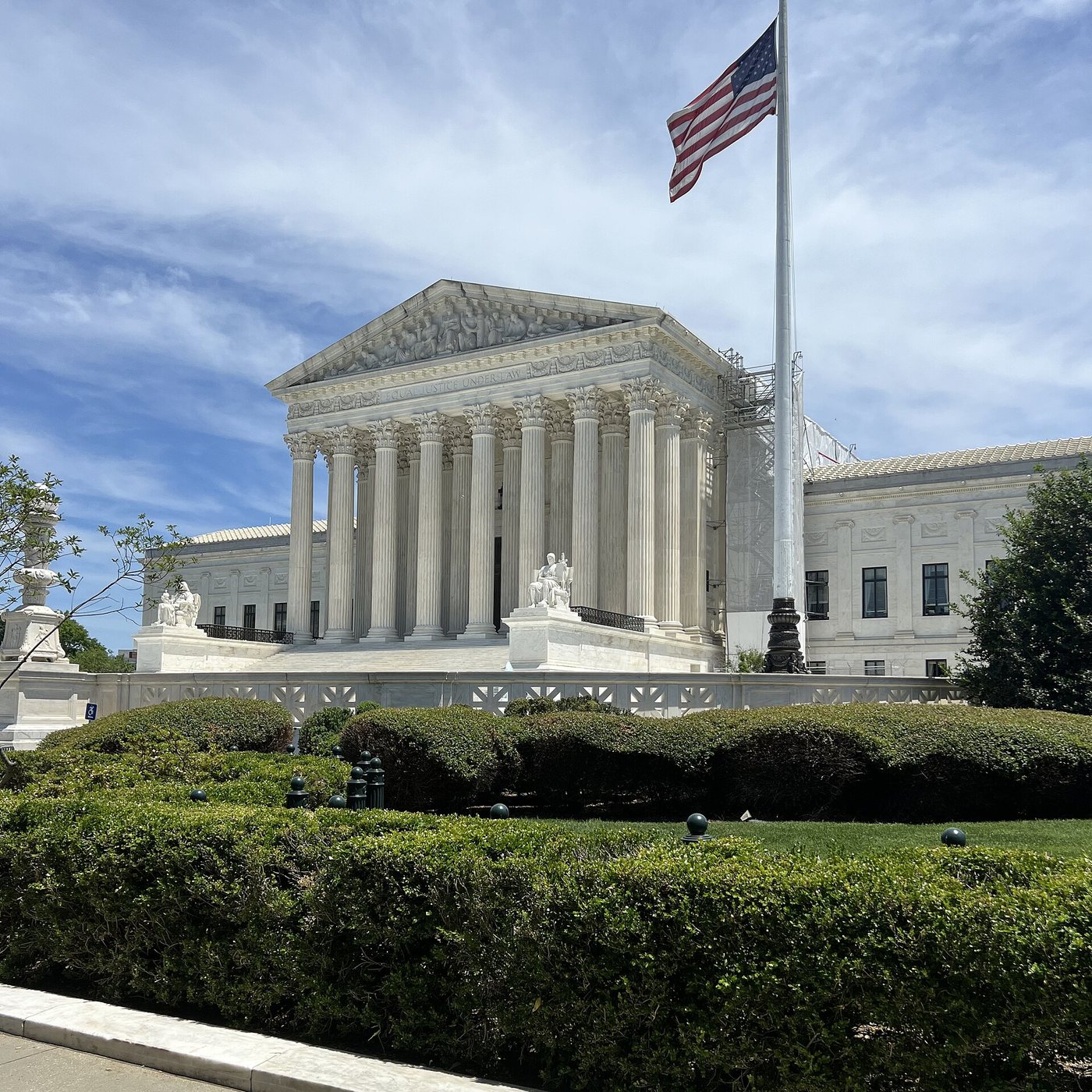
The on Monday, Nov. 16, declined to hear a challenge to Maryland laws that limit where people can carry guns in public. The case, Novotny v. Moore, was brought by Maryland residents and gun rights groups.
The laws bar guns in places such as schools, mass transit, parks, bars and healthcare facilities, and some were added in 2023. The 4th Circuit had ruled that all the challenged restrictions are consistent with the , and that ruling stays in place. The court gave no reason for turning the case away.
Maryland Anthony Brown, a Democrat, had urged the justices not to take it. Justice Clarence Thomas wrote a statement agreeing with the decision because the breadth of the challenge would complicate review. But he wrote that he has "serious doubts" that the nation's tradition of firearm regulation supports many of the restrictions.
He said the court should consider such laws in a more narrowly focused case. The refusal comes before the court hears arguments on Dec. 2 over bans on AR-15 and similar rifles in Cook , Illinois, and in Connecticut.
- 6-3the court's conservative majorityNBC News
- 10 categories of placestargeted in the two lawsuits against Maryland's limitsCBS News
- four gun rights groupschallengers, along with individual Maryland residentsNBC News
- Dec. 2date of oral arguments on AR-15 bansWashington Examiner
Three sides of the story
12 news outlets reported this
Tap a color or swipe sideways to switch sides.
Liberal4 outlets
Thomas's doubts and what the ruling leaves
MS NOW leads with Thomas, saying he has "serious doubts" about bans on carrying guns in sensitive places such as mass transit and hospitals. It says his statement adds to his standing as the justice most strongly committed to gun rights, and adds that Thomas and Justice Samuel Alito have faced retirement speculation, especially since Democrats won a majority. NBC News leads with the refusal itself, saying the court "sidestepped a chance" to define a sensitive place and the Maryland rules remain.
It quotes the challengers' lawyers calling Maryland officials "openly hostile" to gun rights and Attorney General Anthony Brown pointing to "vast areas of shared consensus." CBS News lays out the case's path through a federal district court and the 4th Circuit, and quotes Brown's reference to a "rich American tradition" of barring guns in some places. ABC News runs the same text as The Seattle Times, with Thomas's skepticism and the coming AR-15 arguments.
- MS NOW: Clarence Thomas has ‘serious doubts’ about gun restrictions in ‘sensitive places’
- NBC News: Supreme Court rejects challenge to Maryland’s ‘sensitive places’ gun ban
- CBS News: High court rejects challenge to Maryland gun ban in sensitive places
- ABC News: Supreme Court declines to hear challenge to Maryland 'sensitive places' gun law
Center2 outlets
Court's refusal, with Thomas eyeing a narrower case
The Seattle Times runs an Associated Press report, the same text ABC News carries. It starts with the Supreme Court refusing Monday to take up the Maryland challenge, and says the law bans concealed weapons in schools, on transit, in bars and other areas deemed sensitive. The court gave no comment, but in a separate statement Justice Clarence Thomas voiced skepticism toward Maryland's law and similar ones and said he would back revisiting the question in a "more narrowly focused case."
The report places the refusal beside the court's coming arguments over state AR-15 bans, which are often called assault weapons bans. It adds that the conservative-majority court has issued several rulings favoring Second Amendment rights, including a recent decision voiding broad limits on carrying guns in Hawaii, and has also upheld a law that shields domestic violence victims.
Conservative6 outlets
Thomas's call for review of sensitive-places laws
The Washington Examiner and The Federalist put Thomas in the headline, while The Epoch Times and Just the News headline the court's refusal, though Just the News opens with Thomas's skepticism. The Examiner says the court "punted" on sensitive-places laws, quotes Thomas saying lower courts have "largely blessed these ahistorical ventures," and notes the Dec. 2 arguments over assault weapons bans, with gun rights activists optimistic. The Federalist quotes Thomas at length, including that the Second Amendment right "admits of only historically grounded exceptions," and walks through the Bruen test.
The Epoch Times adds that Gov. Wes Moore signed the 2023 law, and quotes Attorney General Anthony Brown's filing that the laws pass the Bruen test. Just the News, by reporter Misty Severi, says the court gave no reason for the denial and that the lower court's ruling stays in place.
- Washington Examiner: Clarence Thomas urges Supreme Court to review ‘sensitive places’ gun laws
- The Federalist: Thomas Calls On SCOTUS To Assess Restrictions On Guns In ‘Sensitive Places’
- The Epoch Times: Supreme Court Won’t Hear Maryland ‘Sensitive Places’ Gun Ban Challenge
- Just the News: Supreme Court declines to consider challenge to Maryland's 'sensitive places' gun ban
Which side made the stronger case?
We will email you when the story continues. At most one email a day.
In Maryland, the restrictions stay in force, NBC News reports. The rules cover state parks, schools, public transportation, health care sites and businesses that sell alcohol. NBC News names California, New York, New Jersey and Hawaii as other states with similarly broad limits.
All sources: 13 articles from 12 outlets
Liberal (4)
- ABC News: Supreme Court declines to hear challenge to Maryland 'sensitive places' gun law
- CBS News: High court rejects challenge to Maryland gun ban in sensitive places
- MS NOW: Clarence Thomas has ‘serious doubts’ about gun restrictions in ‘sensitive places’
- NBC News: Supreme Court rejects challenge to Maryland’s ‘sensitive places’ gun ban
Center (2)
- Reason: Justice Thomas on the Second Amendment in "Sensitive Places"
- The Seattle Times: Supreme Court declines to hear challenge to Maryland ‘sensitive places’ gun law
Conservative (7)
- Breitbart News: Justice Clarence Thomas: SCOTUS Should Take Up a 'Sensitive Places' Case to Protect 'Public Carry'
- Breitbart News: Supreme Court Declines Challenge to Maryland's 'Sensitive Places' Carry Restrictions
- Daily Caller: Justice Clarence Thomas Suggests ‘Sensitive Places’ Gun-Carry Bans Wouldn’t Pass Legal Muster
- Just the News: Supreme Court declines to consider challenge to Maryland's 'sensitive places' gun ban
- The Epoch Times: Supreme Court Won’t Hear Maryland ‘Sensitive Places’ Gun Ban Challenge
- The Federalist: Thomas Calls On SCOTUS To Assess Restrictions On Guns In ‘Sensitive Places’
- Washington Examiner: Clarence Thomas urges Supreme Court to review ‘sensitive places’ gun laws
The evening briefing by email
One email a day, around 8:30 p.m. New York time: the seven main stories, each with its three sides, and the blind spot of the day. Unsubscribe with one tap.
A Telegram channel is coming soon.