Appeals court orders narrowing of Trump administration's demand for journalists' LinkedIn records
A unanimous 4th Circuit panel says the request for 18 months of data would expose many unrelated confidential sources in a leak probe.
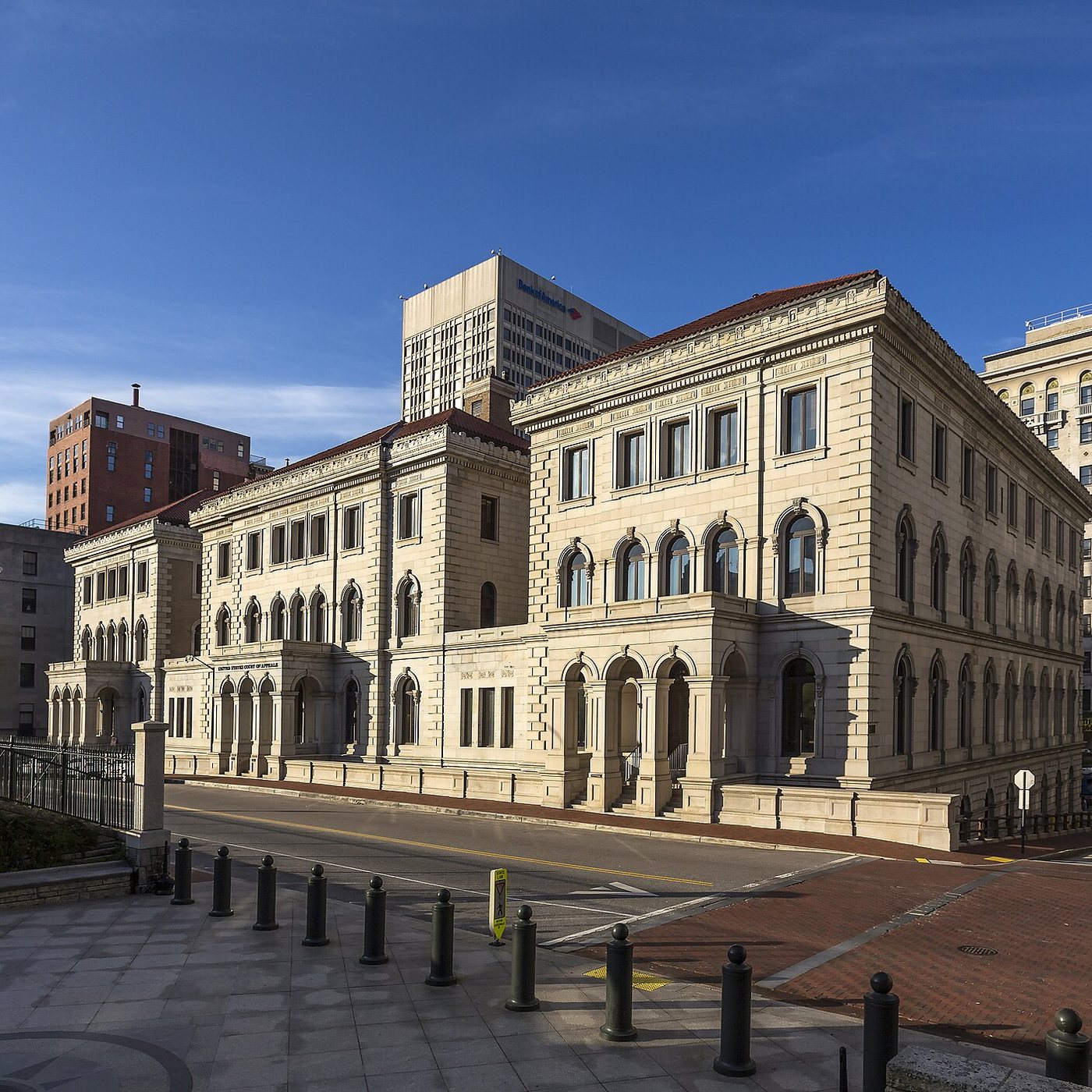
A federal ruled on Tuesday, Nov. 10, that the Trump administration's demand for journalists' records from LinkedIn was too broad. Based in Richmond, Va., the 4th Circuit Court of Appeals remanded the matter to a district court with instructions to narrow it. The unanimous three-judge panel opinion was written by Judge J. Harvie Wilkinson, a Reagan appointee.
The sought 18 months of records from LinkedIn for a national security leak investigation. The data would have named everyone the journalists corresponded with, but not the content of the messages. The court called the orders "substantially overbroad" and said they would reveal many confidential sources unrelated to the leak.
The reporters published nearly 1,000 articles in that period, and less than 5% appear to relate to the subject at issue. A second order barred LinkedIn from disclosing the demand for one year. The panel rejected LinkedIn's request to throw out the orders entirely, and Wilkinson called the government's national security interest "self-evident."
The probe concerns an article describing a top-secret US military operation abroad. The court did not name the news outlet or the reporters. The Seattle Times reports that the Justice Department made no reply when asked for comment.
- 18 monthsperiod of journalists' LinkedIn records the Justice Department soughtMS NOW
- nearly 1,000articles the targeted journalists published in that periodMS NOW
- less than five percentshare of those articles that appear related to the subject at issueMS NOW
- six LinkedIn usersusers the order covered, per a Justice Department lawyer at oral argumentsThe Seattle Times
- one yearlength of the secrecy order barring LinkedIn from disclosing the demandReason
Three sides of the story
8 news outlets reported this
Tap a color or swipe sideways to switch sides.
Liberal2 outlets
Court shields journalists' sources from administration's reach
MS NOW leads with the ruling barring the administration from "extensive" LinkedIn chat records between journalists and "scores" of confidential sources, which the panel said would "deal a damaging blow" to freedoms. It quotes Judge Wilkinson, a Reagan appointee, that confidentiality is "the lifeblood of a free press," and notes the panel included Biden and Obama nominees.
MS NOW also reports that the panel refused LinkedIn's request to quash the orders entirely. It places the case beside other efforts by the administration: a demand to search Washington Post reporter Hannah Natanson's devices, which a federal judge refused in February, the of freelance journalist Matthew Cole, and Trump's September announcement banning CNN, MS NOW and Politico from White House grounds.
Center4 outlets
Court trims sweeping data demand, sends it back
The Seattle Times opens with the court blocking an order that would give the administration extensive private data on reporters, and quotes Wilkinson that scooping up records wholesale would "tip the balance against informed discourse." It adds that the ruling did not name the article at issue, and it quotes Cole's lawyer David O'Neil and New York Times spokesperson Charlie Stadtlander criticizing the administration's actions. Courthouse News frames it as the Fourth Circuit narrowing the request, quoting Wilkinson on both the free press and the danger of leaks to covert operations, and cites a Pew figure that 94% of American journalists use LinkedIn.
Reason's headline says the court "rebukes" the administration, and it walks through LinkedIn's standing and the secrecy order. It also lists earlier subpoenas of reporters. The Hill's summary stresses the unanimous panel and the "damaging blow" language.
- The Seattle Times: Appeals court rebukes Justice Dept. over demand for journalists’ LinkedIn data
- Courthouse News: Fourth Circuit narrows government request for journalists’ LinkedIn records
- Reason: 4th Circuit Rebukes Trump Administration for Asking LinkedIn To Turn Over Info on Critics in the News Media
- The Hill: Appeals court limits Trump DOJ's access to journalists’ private chat logs
Conservative2 outlets
Order narrowed, though government's security interest stands
The Epoch Times reports that the appeals court ruled on Nov. 10 that the administration's bid for journalists' records was overbroad and must be narrowed. It quotes Wilkinson on access to sources being "essential" to public accountability and on the risk of a "damaging blow" to First Amendment freedoms. It also gives space to the court's statement that the government's national security interest is "self-evident."
The report notes that a district court had first sided with the government, that the panel refused LinkedIn's request to scrap the order entirely, and that the panel included appointees of Reagan, Obama and Biden. The Washington Times says a judge must narrow the order requiring LinkedIn to divulge journalists' communications, in a case with "profound free-speech implications."
- Conservative outlets did not mentionJustice Department subpoena of freelance journalist Matthew Cole, with a court date set for the following week Reported by MS NOW, The Seattle Times
- Conservative outlets did not mentionA secrecy order barred LinkedIn from telling the journalists about the demand Reported by MS NOW, The Seattle Times, Reason, Courthouse News
Which side made the stronger case?
We will email you when the story continues. At most one email a day.
- Which president appointed District Judge Elizabeth Hanes
- MS NOW: a Biden appointee
- The Seattle Times: a Trump appointee
All sources: 8 articles from 8 outlets
Liberal (2)
Center (4)
- Courthouse News: Fourth Circuit narrows government request for journalists’ LinkedIn records
- Reason: 4th Circuit Rebukes Trump Administration for Asking LinkedIn To Turn Over Info on Critics in the News Media
- The Hill: Appeals court limits Trump DOJ's access to journalists’ private chat logs
- The Seattle Times: Appeals court rebukes Justice Dept. over demand for journalists’ LinkedIn data
Conservative (2)
The evening briefing by email
One email a day, around 8:30 p.m. New York time: the seven main stories, each with its three sides, and the blind spot of the day. Unsubscribe with one tap.
A Telegram channel is coming soon.