Trump administration proposes rule it estimates would remove 6.3 million from food stamps
The Agriculture Department's proposed rule would limit states' ability to enroll households automatically, is open to comment for 30 days, and draws Democratic criticism.
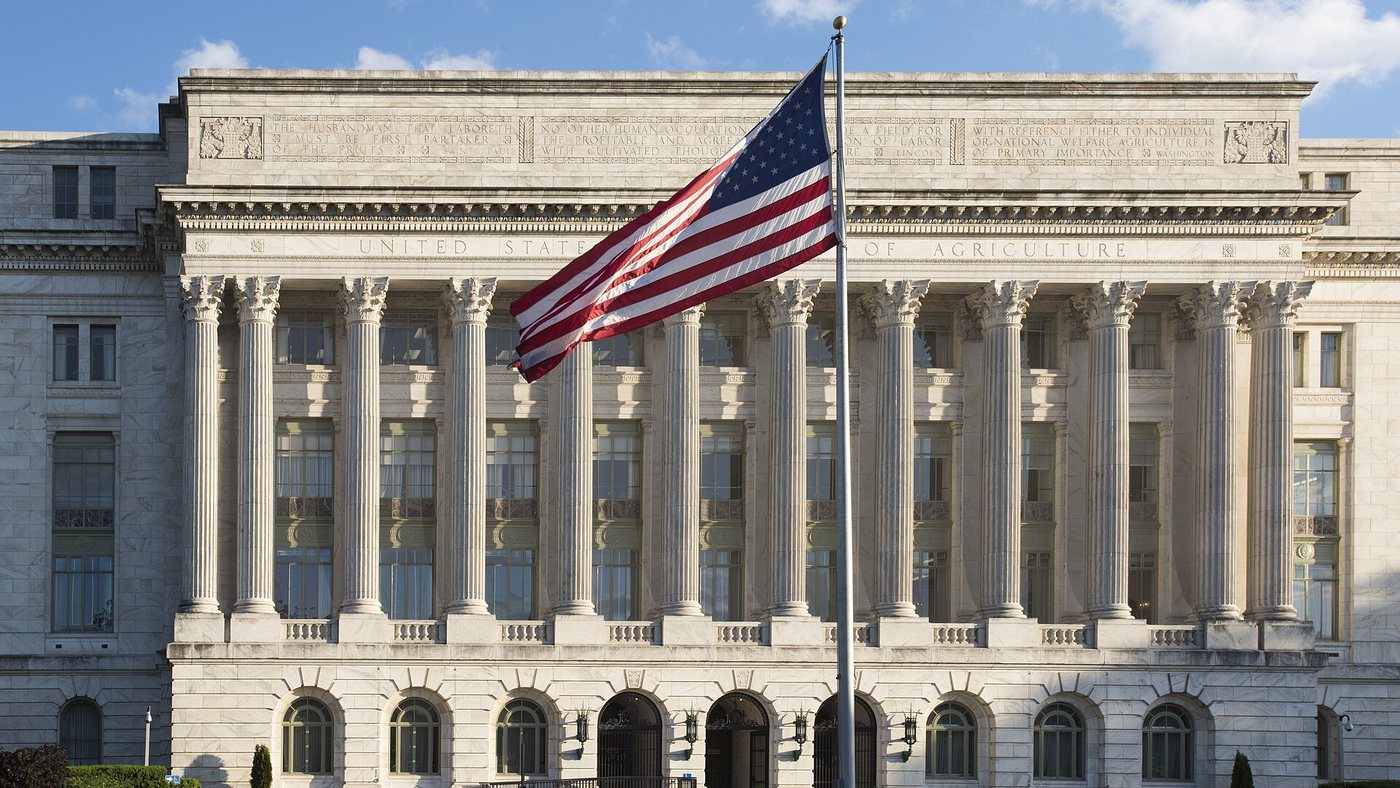
The Trump administration proposed a rule on Tuesday, Nov. 10, that would limit who can qualify for the Supplemental Nutrition Assistance Program, known as or food stamps. The Agriculture Department wants to restrict "broad-based categorical eligibility." That policy lets states enroll households in SNAP because they receive certain other aid funded by the Temporary Assistance for Needy Families program, even when their assets or income exceed regular SNAP limits.
The department estimates the change would remove 6.3 million people, in 3.2 million households, once it is fully in effect in fiscal year 2029. That is 17.6% of participants, by the agency's analysis. About 36 million people are enrolled now.
The department also estimates nearly 1.8 million children would lose free school meals tied to SNAP eligibility. The public has 30 days to comment, and the proposal has not taken effect. The department says the policy extended the program to households without demonstrated need, and a USDA spokesperson said it let people with income and assets far above federal limits get a benefit meant for the neediest.
Democrats criticized the plan. Rep. Angie Craig of Minnesota, the ranking Democrat on Agriculture Committee, called it "heartless and cruel." Sen. Cory Booker of New Jersey called it "despicable."
The department proposed a similar rule in 2019 that was never finalized, and the Biden administration withdrew it in 2021.
- 6.3 million peoplepeople who would lose SNAP, by USDA's estimateAl Jazeera English
- 3.2 million householdshouseholds affected by fiscal year 2029, per USDAThe Independent
- 17.6%share of SNAP participants who would lose benefits, per USDA analysisUPI
- nearly 1.8 millionchildren who would lose free school meals, as the agency estimatedThe Boston Globe
- 30 dayspublic comment periodAl Jazeera English
Three sides of the story
15 news outlets reported this · Little coverage from conservative outlets
Tap a color or swipe sideways to switch sides.
Liberal9 outlets
Proposed cuts would further shrink the safety net, Democrats object
The Boston Globe runs the New York Times report, which opens on the administration moving "to eliminate an additional 6.3 million people" from the largest federal antihunger program. It places the rule in a wider push to shrink the safety net after voters named affordability a concern, and says Democrats taking their seats intend to delay or roll back such cuts. It quotes Gina Plata-Nino of the Food Research and Action Center on the "working poor" and Save the Children's Eyang Garrison, who says the department's numbers are "most likely understated."
Al Jazeera English adds Rep. Angie Craig's statement and Sen. Cory Booker's post calling the plan "despicable," then lists earlier Trump moves on SNAP, including the November 2025 funding standoff. The Independent says the USDA "could" cut food stamps for millions more, notes that ending the policy appeared in Project 2025, and quotes a USDA spokesperson saying it "bloated the welfare rolls." The New York Times headline says the administration "moves to further limit"
SNAP eligibility.
- The Boston Globe: Trump administration moves to further limit SNAP eligibility, affecting millions
- Al Jazeera English: Trump administration seeks to cut food aid for more than six million people
- The Independent: Trump’s USDA could cut off food stamps to millions more Americans
Center4 outlets
USDA's numbers and what the rule changes
The Seattle Times carries the same New York Times report as the Boston Globe. UPI leads with the USDA's figures: about 3.2 million households, 6.3 million people, and 17.6% of participants, from the agency's regulatory impact analysis. It adds Rep. Angie Craig's "heartless and cruel," as reported by The Hill.
Newsweek explains under "What Are the Proposed Changes?" that the policy applies in 46 states, that some qualifying TANF benefits are noncash, such as support hotlines or pamphlets, and that state agencies could face more work checking income and assets. It also reports a companion USDA proposal on work requirements and prints Craig's call for Republicans to join Democrats in opposition. The Hill's headline says the proposal moves to "kick millions" from SNAP, and it quotes the USDA's stated aim to "preserve benefits for the truly needy."
Conservative2 outlets
USDA proposal to align SNAP with federal standards
The Epoch Times headlines the rule as aligning SNAP eligibility "With Federal Standards" and opens with the USDA's estimate: about 6.3 million people in 3.2 million households would lose benefits when it is fully implemented in 2029. It describes the qualifying TANF benefits as sometimes "as minimal as an informational pamphlet," and says USDA wants to restore the narrower original purpose of categorical eligibility. It reports that about 97 percent of the roughly 1.78 million children set to lose automatic free school meal eligibility would still qualify for free or reduced-price meals under a separate application.
It quotes the Foundation for Government Accountability calling the policy a "massive federal loophole" and saying ending it would save taxpayers $112 billion over a decade. It also quotes Rep. Brad Schneider, an Illinois Democrat, who says "Republicans continue to push policies rooted in cruelty." It closes by noting the proposal has not taken effect.
Which side made the stronger case?
We will email you when the story continues. At most one email a day.
- Estimated five-year cut in SNAP benefit spending
- The Boston Globe: more than $50 billion
- UPI, The Epoch Times: about $44.6 billion
If the rule is finalized, USDA estimates 6.3 million people would lose SNAP benefits once it is fully in effect in fiscal year 2029. The agency also estimates nearly 1.8 million children would lose automatic free school meal eligibility, though the Epoch Times reports about 97 percent would remain eligible through another application. The proposal has not taken effect and is open for public comment for 30 days.
All sources: 15 articles from 15 outlets
Liberal (9)
- ABC News: Trump administration moves to drop millions from SNAP under proposal
- Al Jazeera English: Trump administration seeks to cut food aid for more than six million people
- CBS News: SNAP proposal would increase food insecurity, critics say
- La Opinión: Gobierno de Trump busca excluir a 6.3 millones de personas de los cupones de alimentos SNAP
- PBS NewsHour: Trump administration plans to make it harder to get grocery assistance
- The Boston Globe: Trump administration moves to further limit SNAP eligibility, affecting millions
- The Independent: Trump’s USDA could cut off food stamps to millions more Americans
- Yahoo News: Nearly one in five food stamp recipients could lose benefits under Trump proposal
Center (4)
- Newsweek: New SNAP Rule Could See 6.3 Million People Lose Benefits
- The Hill: New USDA proposal moves to kick millions from SNAP
- The Seattle Times: Trump administration moves to further limit SNAP eligibility, affecting millions
- UPI: USDA proposal could eliminate food assistance for 6.3M Americans
Conservative (2)
The evening briefing by email
One email a day, around 8:30 p.m. New York time: the seven main stories, each with its three sides, and the blind spot of the day. Unsubscribe with one tap.
A Telegram channel is coming soon.