Israeli opposition moves to oust parliament speaker as new Knesset is sworn in
Eisenkot's bloc also files bills on an Oct. 7 inquiry and prime ministerial term limits, and Eisenkot calls Netanyahu's speech "hate-filled."
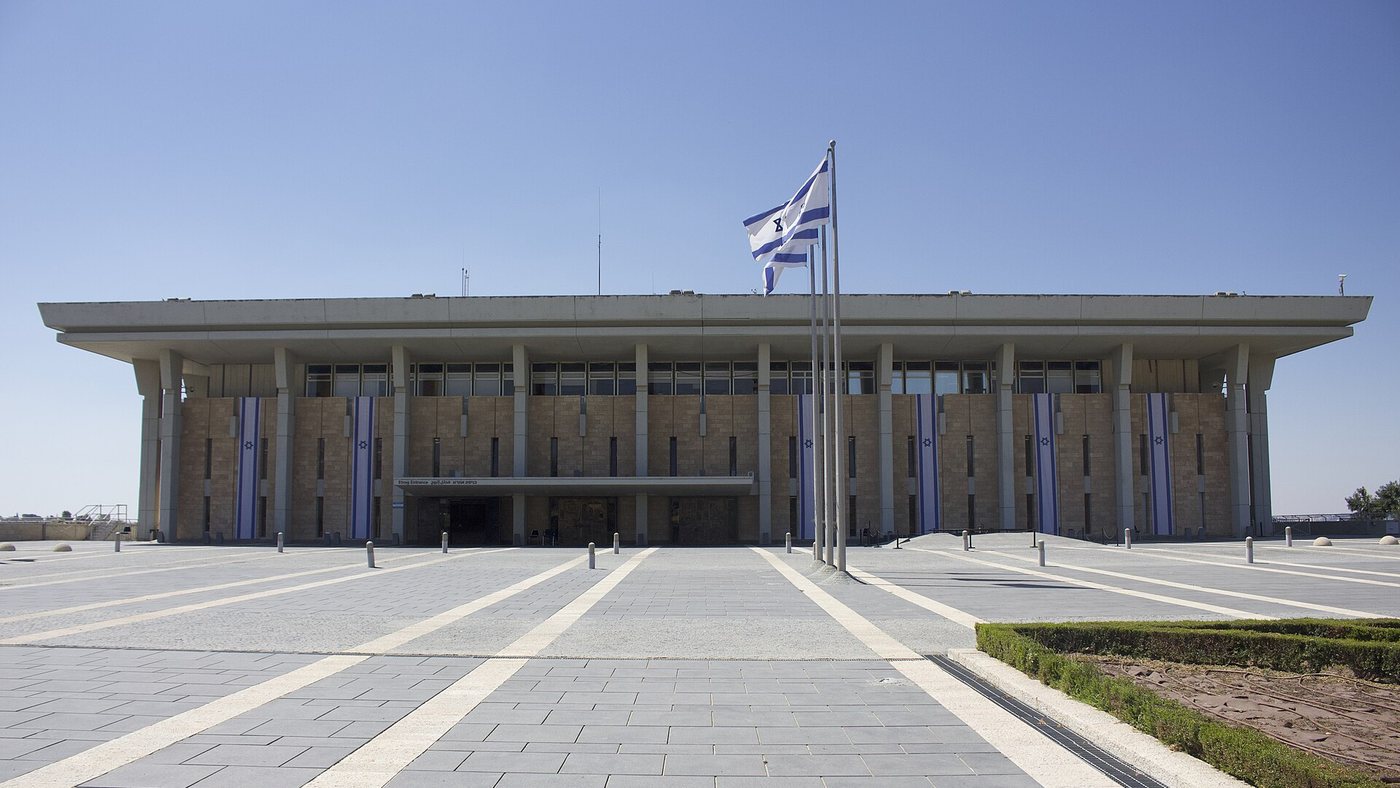
Israel's new parliament, the , was sworn in on Tuesday, Nov. 10, and the opposition moved at once to use its majority. Opposition parties hold 67 of the 120 seats. Gadi Eisenkot, a former military chief, has the president's mandate to form a government and up to six weeks to do it.
His bloc won 48 seats in the Oct. 27 election and Netanyahu's bloc won 53, so neither has a majority alone. Eisenkot's party asked for a vote to replace Speaker Amir Ohana, a Netanyahu ally, with Matan Kahana, a former minister. Ohana has set the vote for the following Tuesday, the latest date possible, the Guardian reports.
The bloc also filed bills for an official inquiry into the Oct. 7, 2023 attacks, term limits for prime ministers and a reversal of the judicial changes made under Netanyahu. In a speech after the ceremony, Netanyahu attacked Arab politicians and asked rivals if they would depend on "those whose goal is the destruction of the Jewish state." Eisenkot called the speech "divisive" and "hate-filled" and said he canceled a Wednesday meeting with Likud.
President Isaac Herzog urged lawmakers to avoid a second election. Netanyahu stays on as .
- 67 seats in the 120-seat legislatureheld by the opposition parties, per the GuardianThe Guardian
- 48 seatswon by Eisenkot's bloc of four partiesUPI
- 53seats won by Netanyahu's blocUPI
- 19 seatswon by Arab-led parties, a recordBBC News
- 28 daystime Eisenkot has to assemble a coalition, plus a possible two-week extension, per the BBCBBC News
Three sides of the story
13 news outlets reported this
Tap a color or swipe sideways to switch sides.
Liberal5 outlets
Opposition takes the Knesset's levers from Netanyahu
The Guardian leads with an opposition that has "wasted no time" taking control of the legislature from Netanyahu and his allies. It lists the priorities: a state inquiry into the Oct. 7 attacks, term limits that could keep Netanyahu from returning, and bills to revoke the "judicial overhaul." It calls Netanyahu's post-ceremony speech a "racist attack" on two Palestinian-led parties and says he has promoted "groundless accusations of fraud" since the vote, while election officials say they found no evidence of irregularities that affected the outcome.
Eisenkot's reply is quoted: "delusional, divisive, hate-filled and shameful." A second Guardian piece, written before the ceremony, centers on the speaker's post, Kahana's candidacy, a warning from more than 160 former security officials about planned disruption by rightwing activists, and the divisions blocking a coalition. The New York Times says the opposition led by Eisenkot holds a majority and is expected to start using some of the powers of parliament.
Al Jazeera reports that Netanyahu and Eisenkot are pushing for a new government after the election deadlock.
Center5 outlets
Eisenkot's pledge to reverse Netanyahu's policies, coalition arithmetic
AP, in the Seattle Times, leads with Eisenkot pledging to reverse many of Netanyahu's policies. It calls the claims that Arab-led parties "stole" the election "unsubstantiated" and says it is unclear how fast the bills will advance. It quotes Eisenkot's "We will act for all citizens of Israel" and Netanyahu asking whether rivals would depend on those seeking the Jewish state's destruction.
AFP, via Courthouse News, opens with parliament planning to "take aim" at the caretaker prime minister. It quotes Herzog, Raam leader Mansour Abbas, and Avigdor Liberman, who refuses to join a government that relies on Arab-Israelis. It says Eisenkot's core bloc has 48 seats and would reach a majority if the 19 Arab-Israeli lawmakers joined or voted for it.
The BBC, in a preview, sets out Eisenkot's 67 backers to Netanyahu's 46, the 28-day clock and his four principles for partners. UPI reports the swearing-in and the Yashar party's request to replace Ohana, citing the BBC on the seat counts.
- The Seattle Times: Eisenkot unveils agenda to reverse Netanyahu’s policies as Israel’s new parliament is sworn in
- Courthouse News: New Israeli Parliament to take aim at Netanyahu as Eisenkot seeks government
- BBC News: Israel's new parliament to be sworn in as leaders compete to form government
- UPI: Israel swears in Knesset; works to find coalition government
Conservative3 outlets
Outlets on this side gave the story little coverage.
Which side made the stronger case?
We will email you when the story continues. At most one email a day.
All sources: 16 articles from 13 outlets
Liberal (6)
- Al Jazeera English: Netanyahu and Eisenkot push for new government after election deadlock
- HuffPost: Israel's Parliament Sworn In As Eisenkot Tries To Forge A Government
- The Guardian: Israeli opposition hurries to seize control as new Knesset is sworn in
- The Guardian: New Knesset speaker could be key to ousting Netanyahu as Israel’s PM
- Time: How Israel Will Choose Its Next Prime Minister, Explained
Center (5)
- BBC News: Israel's new parliament to be sworn in as leaders compete to form government
- Courthouse News: New Israeli Parliament to take aim at Netanyahu as Eisenkot seeks government
- Deutsche Welle: Israel: Eisenkot proposes October 7 probe as new Knesset sworn in
- The Seattle Times: Eisenkot unveils agenda to reverse Netanyahu’s policies as Israel’s new parliament is sworn in
- UPI: Israel swears in Knesset; works to find coalition government
Conservative (5)
- CBN News: Israel's Government in Transition: No Plans for Iran Strike but US CENTCOM Urges Prep for Renewed Fight
- CBN News: Israel's President Swears in New Knesset as Netanyahu Government Remains Until Coaltion Formed
- CBN News: Israel's President Swears in New Knesset as Netanyahu Government Remains Until Coalition Formed
- Fox News: Israel's political shake-up enters new phase as former PM plays kingmaker — and deadline looms
- The Washington Times: Israeli opposition leader Eisenkot urges Netanyahu to delay decisions until new government formed
The evening briefing by email
One email a day, around 8:30 p.m. New York time: the seven main stories, each with its three sides, and the blind spot of the day. Unsubscribe with one tap.
A Telegram channel is coming soon.