Israel's president starts talks on who should form government after deadlocked election
Neither Netanyahu's bloc nor the opposition led by Gadi Eisenkot won the 61 seats needed, and opposition leaders agreed to back Eisenkot.
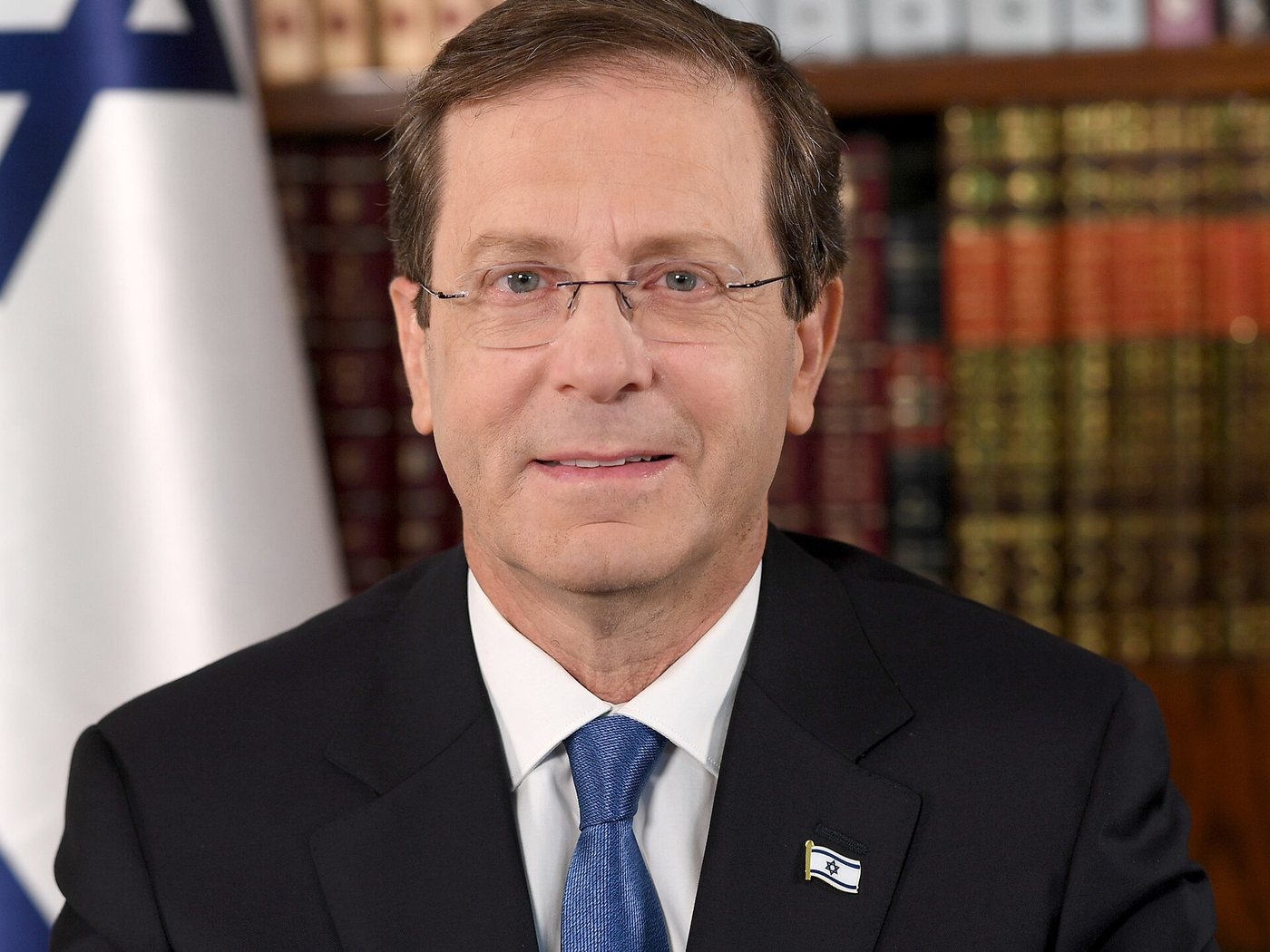
Israel's President Isaac Herzog began consultations on Wednesday evening with parties on who should try to form the next government. The election on Oct. 27 left neither side with a majority. Prime Minister Benjamin Netanyahu's bloc won 53 seats in the 120-seat and the opposition bloc led by former military chief Gadi Eisenkot won 48.
Arab-led parties won a record 19. Herzog received the official results from Central Elections Committee chair Noam Sohlberg. Herzog told party leaders that if they want to avoid a new election, they cannot expect to keep every commitment and promise.
He also said Arab Israelis must not be smeared. Sohlberg said efforts to cast doubt on the results were a real danger. The is investigating suspected foreign interference, and Sohlberg said the findings would not fundamentally change the outcome.
Five opposition leaders met in Herzliya and agreed to recommend Eisenkot to Herzog, but they remain divided over relying on Arab-led parties. Netanyahu has asked for a broad national government with himself at the head and ruled out a coalition with Ra'am and the Joint List. The person Herzog picks will get time to build a coalition, with a possible extension.
- 53 seats won by Netanyahu's bloc — BBC News
- 48 seats won by Eisenkot's bloc — BBC News
- 19 seats won by the two Arab-led alliances, a record — BBC News
- 15-14 Central Elections Committee vote to approve the results, with two abstentions — UPI
- 28 days time to form a government, with a potential 14-day extension — BBC News
Three sides of the story
Liberal2 outlets
Opposition unites behind Eisenkot, but Arab parties divide it
Al Jazeera English leads with the opposition leaders agreeing in Herzliya to back Eisenkot as prime minister and to replace what their statement calls the "Oct. 7 government." It details the split over Arab-led parties, noting that Yair Golan alone openly backs an alliance while Avigdor Liberman firmly opposes one. It quotes Joint List head Yousef Jabareen saying the opposition must accept "political reality."
It also reports Netanyahu's call for a "broad national government" and his rejection of Arab-majority lists. The outlet places the result in the context of Arab citizens' marginalisation and the war in Gaza. The New York Times' headlines say Herzog will start talks on whether Netanyahu or Eisenkot gets the first chance to form a government.
They also describe the largely ceremonial president's mediating skills as potentially instrumental in breaking the deadlock, and another earlier report has party leaders making competing cases for either man.
- Al Jazeera English: Israel’s opposition leaders back Eisenkot to oust Netanyahu
Center3 outlets
Herzog's consultations and certified results amid fraud claims
BBC News leads with Herzog beginning consultations after the deadlock. It quotes his warning that "not every commitment and promise can be fulfilled." It reports that electoral officials found no evidence of irregularities, the Shin Bet investigation, and the clash between the attorney-general and Likud.
UPI focuses on the certification, noting the committee's 15-14 vote and Sohlberg's warning that the opposition within it "sets a dangerous precedent." The Christian Science Monitor looks ahead at Herzog's role, recalling his 2015 defeat by Netanyahu. It cites Prof. Reuven Hazan saying signs point to Herzog pushing for a unity government, and says Herzog is expected to offer Eisenkot the first chance.
All three quote Herzog on avoiding another election.
Conservative2 outlets
Netanyahu's tough coalition math and the Iran backdrop
Fox News leads with Netanyahu's hold on power being tested as Herzog begins consultations with all parties in the 26th Knesset. It quotes his post on X rejecting a government dependent on Ra'am and the Joint List, which he says "support terrorism and reject the existence of the Jewish state." Fox lays out the order of consultations and relies on analysts Amir Oren, Dov Lipman and Gideon Rahat on whether Eisenkot can assemble 61 seats or a unity government can form.
It reports that Shas, Religious Zionism-Zehut and Otzma Yehudit told it they would recommend Netanyahu. CBN News pairs the with the possibility of another war with Iran. It quotes Herzog hoping to avoid another election, and Sohlberg citing suspected foreign funding, saying the findings will not change the results.
Which side made the stronger case?
All sources: 9 articles from 7 outlets
Liberal (4)
- Al Jazeera English: Israel’s opposition leaders back Eisenkot to oust Netanyahu
Center (3)
- BBC News: Israel's president begins consultations with parties after election deadlock
- Christian Science Monitor: After deadlocked elections, it’s up to Israel’s president to find a way forward
- UPI: Israeli President Isaac Herzog formally adopts election results
Conservative (2)
The morning edition by email
One email a day: the three main stories, each with its three sides. No ads. Unsubscribe with one tap.
A Telegram channel is coming soon.