IRS raises 2027 401(k) limit to $25,500 and leaves IRA limit unchanged
The limit was $24,500 in 2026, and catch-up limits for savers 50 and older also rise.
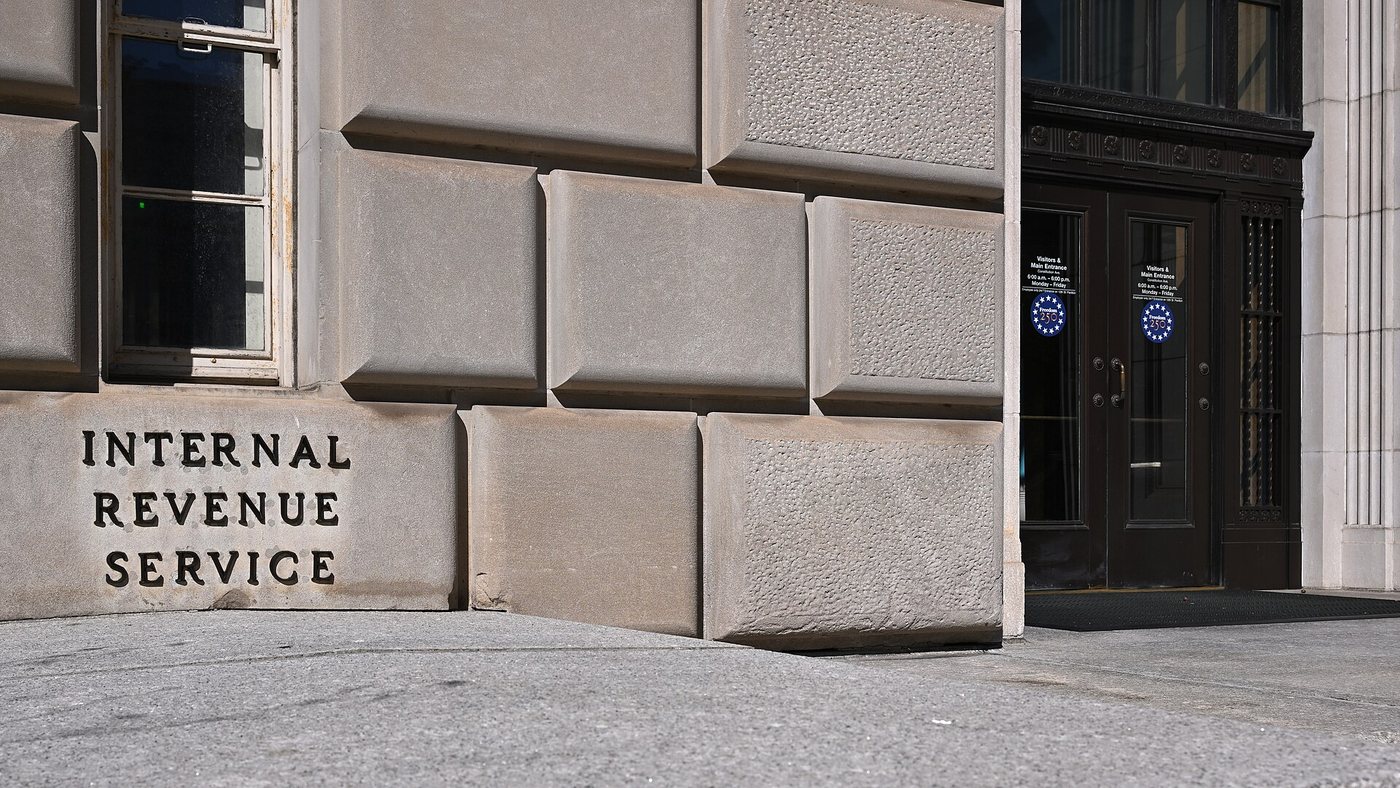
The announced on Thursday, Nov. 12, its retirement savings limits for 2027. The employee deferral limit for plans rises to $25,500, up from $24,500. The same limit covers 403(b) plans, certain 457 plans and the federal Thrift Savings Plan.
Older savers get a higher catch-up limit, and workers aged 60 to 63 can instead use a larger one. The IRA contribution limit does not change, staying at $7,500, and the IRA catch-up allowance is also unchanged. Income thresholds for Roth IRA contributions go up.
Newsweek reports that higher earners, meaning those whose pay from their plan's sponsoring employer passed a set level in 2026, generally must make their catch-up contributions as Roth, so they pay income tax upfront. Newsweek also says the overall cap on combined employee and employer contributions rises, excluding catch-ups. It adds that a federal Saver's Match for eligible low and moderate-income workers starts with contributions for the 2027 tax year, with payments beginning later.
CNBC reports the IRS released other adjustments, including federal income tax brackets, a week before this announcement.
- $25,500401(k) employee deferral limit for 2027CNBC
- $8,500catch-up limit for savers 50 and older in 2027CNBC
- $11,750catch-up amount for savers aged 60 to 63CNBC
- $7,500IRA contribution limit, unchanged from 2026CNBC
- $75,000combined employee and employer ceiling in 2027, excluding catch-ups, per NewsweekNewsweek
Three sides of the story
6 news outlets reported this
Tap a color or swipe sideways to switch sides.
Liberal1 outlet
What the higher limits mean for savers
CNBC frames the news as a money question for savers, with "What it means for your money" in its headline. It reports the IRS release raising the 401(k) deferral limit to $25,500 from $24,500, with catch-up limits of $8,500 for savers 50 and older and $11,750 for those aged 60 to 63. The IRA limit stays at $7,500.
It then turns to how people actually save. It cites Vanguard's finding that 14% of participants maxed out their 401(k)s in 2025, and a Fidelity analysis in which about 19% of employees in the second quarter of 2026 were not deferring enough to get their full employer match. Financial planner Sean Michael Pearson of Ameriprise advises savers to first capture "your full employer match" and calls steadily raising the savings rate over time the "most important habit."
CNBC also notes that about 27% of 401(k) plans automatically raised employee deferrals in 2025, per the Plan Sponsor Council of America.
Center3 outlets
Dollar impact of higher limits and new rules
Newsweek leads with what the higher limit means in dollars: an extra $1,000 under the standard cap, which for someone already saving the maximum is another $83.33 a month, or about $38.46 per biweekly paycheck. It lists catch-up limits of $8,500 and $11,750 for older workers and says workers whose 2026 wages from their plan's sponsoring employer exceeded $155,000 generally must make catch-up contributions as Roth contributions. It also covers the Saver's Match, up to $1,000 a year for eligible workers with payments starting in 2028, and the $75,000 combined ceiling, with a worked example of a $60,000 earner whose employer matches.
NewsNation's report says savers can put in an extra $1,000 next year but the IRA limit is staying the same. MarketWatch says defined-contribution plans are "getting a bump" while IRA savers are not.
Conservative2 outlets
The new $25,500 401(k) cap
The Washington Times reports that employees can put up to $25,500 of their pay into 401(k) plans next year, the IRS announced Thursday.
- The Washington Times: IRS raises 401(k) contribution limit for 2027
Which side made the stronger case?
We will email you when the story continues. At most one email a day.
Newsweek calculates that a saver already at the maximum would add $83.33 a month, or about $38.46 per biweekly paycheck, to use the higher cap. Newsweek also reports that eligible workers with low or moderate incomes may get up to $1,000 yearly via the Saver's Match, with payments starting in 2028 based on 2027 contributions.
All sources: 7 articles from 6 outlets
Liberal (1)
- CNBC: IRS announces 2027 401(k) contribution limits, raises savings cap: What it means for your money
Center (3)
- MarketWatch: The 2027 401(k) limits are here. See how much more you can save next year.
- NewsNation: IRS announces 401(k), IRA contribution limits for 2027
- Newsweek: 401(k) Contribution Limit Rises for 2027: What Americans Need To Know
Conservative (3)
- The Epoch Times: 401(k) Contribution Limit Raised to $25,500: IRS
- The Epoch Times: IRS Collected Over $5.5 Trillion in Federal Taxes in 2026
- The Washington Times: IRS raises 401(k) contribution limit for 2027
The evening briefing by email
One email a day, around 8:30 p.m. New York time: the seven main stories, each with its three sides, and the blind spot of the day. Unsubscribe with one tap.
A Telegram channel is coming soon.