Fed chair Warsh outlines AI scenarios, from broadly shared growth to job losses
He did not address interest rates or inflation, though many Fed colleagues have signaled support for additional rate hikes, including in December.
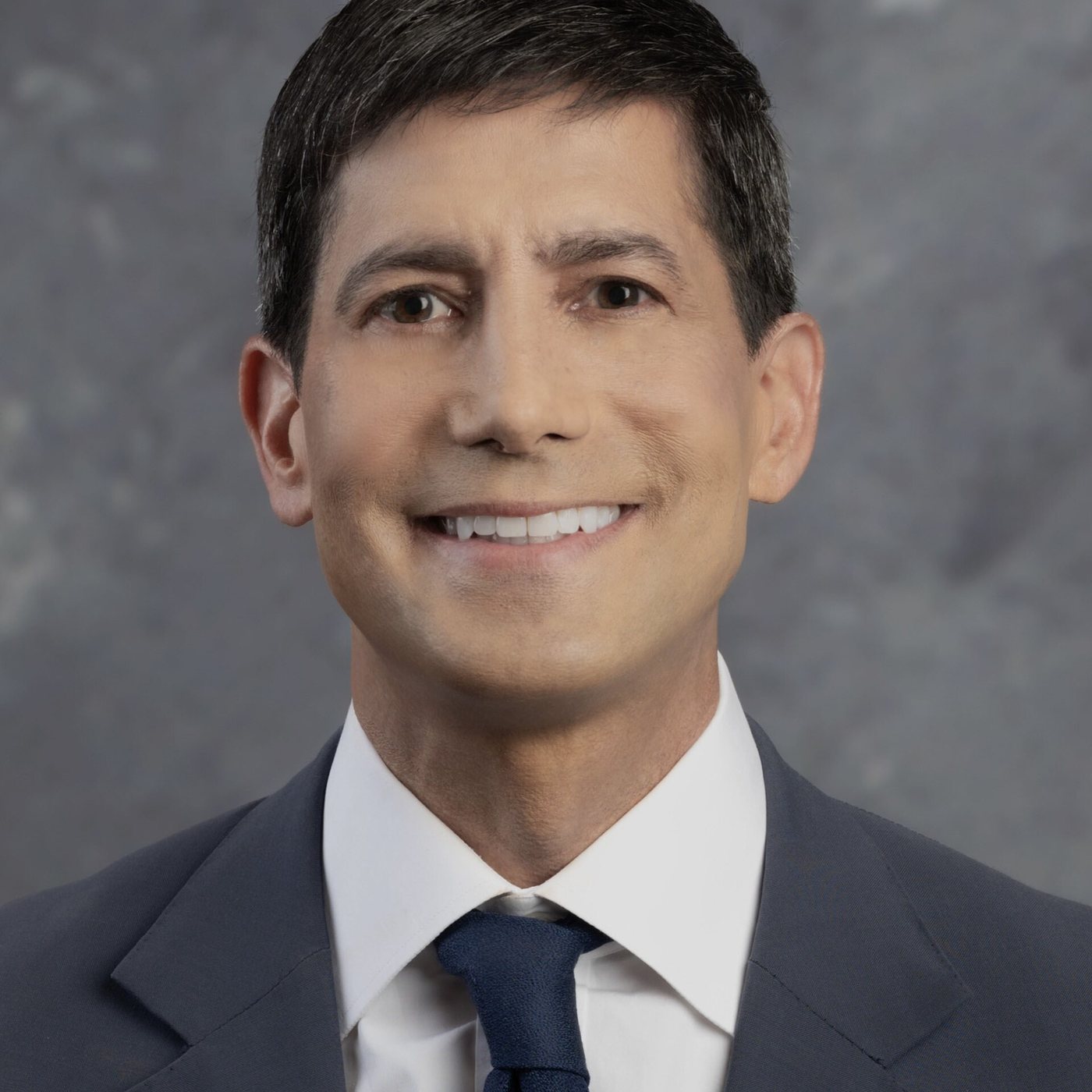
Fed Chairman Kevin Warsh spoke Monday, Nov. 16, at a conference on AI and productivity in San Francisco. He said AI could "supercharge idea generation" and that, if idea generation broadens, growth could stay well above its long-run average. In his best-case scenario, real growth stays persistently above its long-run average, the country stays close to full employment and the gains spread widely among workers and capital holders.
In another, growth would still beat its long-run average, but technology could displace some workers rather than complement them, and broad automation plus labor market frictions could lift the jobless rate beyond full-employment levels. In a third, AI could disappoint, stock gains could reverse and the economy could slow while unemployment rises. Warsh said Fed staff has begun evaluating such scenarios.
He did not mention and did not comment on interest rate policy. Many of his colleagues have signaled support for more rate hikes, including at the December meeting, after inflation accelerated in October. Marc Andreessen, a venture capitalist who co-leads Warsh's Jobs and Productivity Task Force, argued that regulation in health care, education and housing could limit AI's effects.
Warsh calls AI "super intelligence," the term the Trump administration prefers.
- 0.4%rise in consumer prices in OctoberWashington Examiner
- 6.5%producer price rise for the year ending in OctoberWashington Examiner
- 165,000payroll jobs added in OctoberWashington Examiner
- as much as $64 billionAnthropic's possible IPO raiseCNBC
- 80%cut in feature development cost at Affirm, per its CEOAxios
Three sides of the story
7 news outlets reported this
Tap a color or swipe sideways to switch sides.
Liberal2 outlets
Tech leaders' views on what AI will do
Axios opens with Marc Andreessen's argument that both AI utopians and doomers will be disappointed by the real-world economic impact. It quotes him saying slower sectors "are not legally allowed to have rapid change," and adds Affirm's Max Levchin, Stripe's Patrick Collison and Providence's Erik Wexler on productivity gains. CNBC's analysis opens with the Fed "bracing for impact" and quotes Warsh calling this "a hinge point in the U.S. economy."
It says he largely left speculation to his experts and compared AI's possible effect on services to the China shock for goods. CNBC ties the event to Anthropic's planned IPO pricing on Wednesday and to the Fed contemplating a December rate rise. It also quotes former Commerce Secretary Gina Raimondo calling the passage of anti-data center measures in the "a very troubling sign."
Center3 outlets
Warsh's AI outlook and what he left unsaid
Courthouse News, whose text carries an AP dateline, leads with Warsh saying AI could speed innovation and bring faster growth, while also naming risks such as widespread job loss or a steep stock market drop. It adds that he spent more time on downsides than in earlier speeches. It stresses that he did not mention inflation, recent inflation data or the Fed's next rate move, though many colleagues blame the data center buildout for price increases.
It quotes Warsh that "great opportunities rarely come risk free" and Vice Chair Philip Jefferson, who said faster growth could raise interest rates over time. The Hill's piece, headlined that Warsh says AI could "disappoint," says he laid out three future scenarios. MarketWatch asks in its headline how AI will shake up the economy and reports that Warsh said Fed staff is in the early days of developing scenarios.
Conservative2 outlets
Fed modeling AI's labor effects amid hot inflation
The Washington Examiner leads with the Fed developing models of how AI might shape the labor market, quoting Warsh's prepared remarks on "stylized, model-based frameworks." It walks through the scenarios, from broadly shared gains to job displacement to an AI disappointment. It then turns to the economy: consumer prices rose 0.4% in October, and producer prices climbed to 6.5% for the year, their steepest rise since November 2022, during then-President Joe Biden's term.
It also reports that 165,000 jobs were added and unemployment fell to 4.1%. The New York Post's piece, credited to Reuters, is headlined with the best-case scenario and warnings of "costly" risks. It quotes Warsh that the Fed's role is "neither advocacy nor opposition" and mentions his reference to "bad actors."
Both note that Warsh uses the "super intelligence" term associated with the Trump administration.
Which side made the stronger case?
We will email you when the story continues. At most one email a day.
Many Fed officials have signaled support for more interest rate hikes, including at the December meeting, according to Courthouse News. Warsh did not say what the Fed will do on rates. CNBC reports the Fed is contemplating a December increase to slow price increases.
All sources: 7 articles from 7 outlets
Liberal (2)
- Axios: Tech leaders tell Fed chairman Warsh how AI could transform the economy
- CNBC: Analysis: The Fed's chairman sees an AI revolution coming. Now he has to figure out what it means
Center (3)
- Courthouse News: Fed Chairman Warsh grapples with AI’s potential economic impact, steers clear of its inflation risk
- MarketWatch: How will AI shake up the economy? Warsh says the Fed is starting to figure that out.
- The Hill: Warsh says AI could 'disappoint'
Conservative (2)
The evening briefing by email
One email a day, around 8:30 p.m. New York time: the seven main stories, each with its three sides, and the blind spot of the day. Unsubscribe with one tap.
A Telegram channel is coming soon.