Nvidia CEO Jensen Huang resigns, and the CFO takes over as interim chief
The New York Times reported two extramarital relationships, one with a businesswoman believed to be passing sensitive Nvidia information to Beijing.
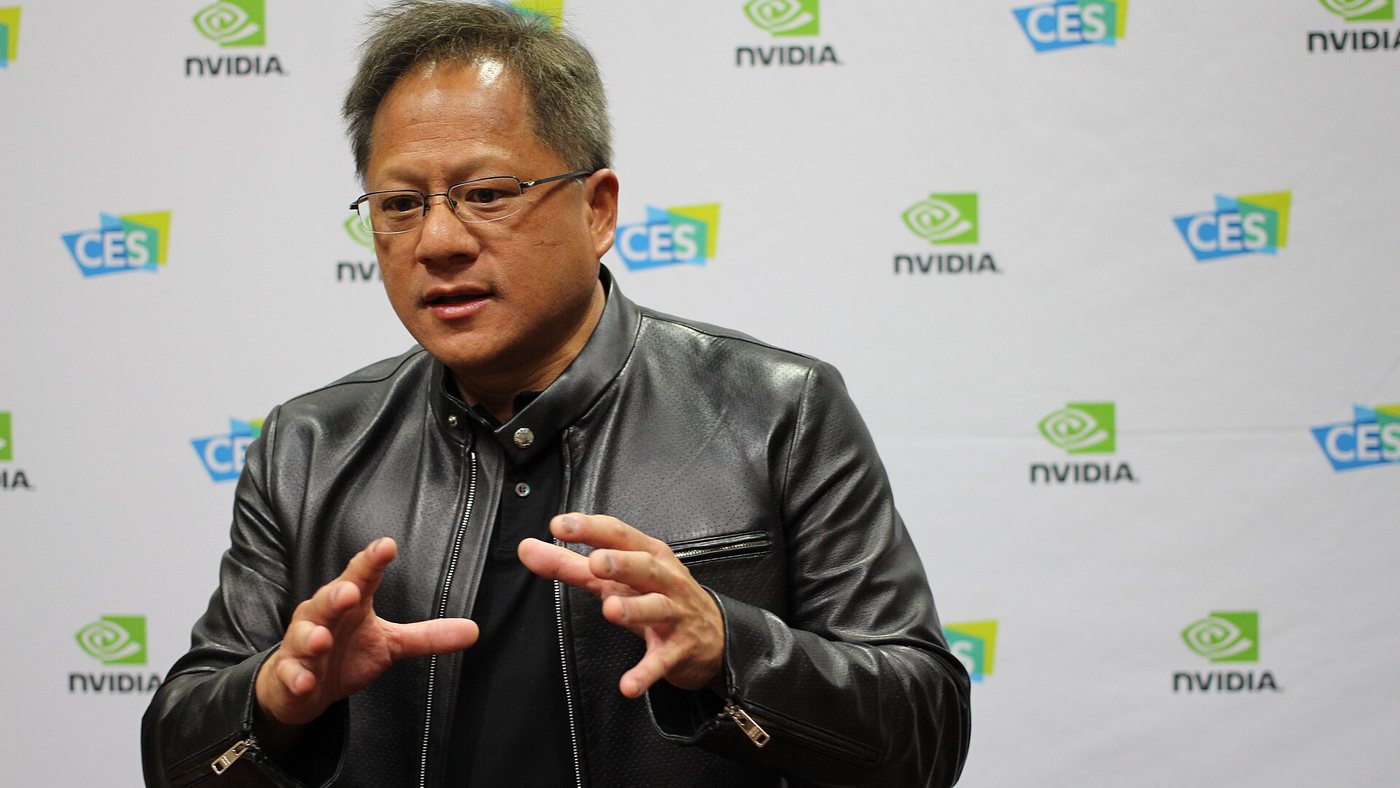
Nvidia announced early Thursday that CEO Jensen Huang had resigned, and chief financial officer Colette Kress will serve as interim CEO. The exit followed days of reports. On Sunday, The New York Times published an account that Huang had an affair with Alice Huang, a Singapore-based Chinese businesswoman believed to be passing sensitive Nvidia information to Beijing.
She worked at Megaspeed, a Singapore data center company that Bloomberg describes as Nvidia's largest customer in Southeast Asia. US authorities have investigated Megaspeed on suspicion that it helped Chinese buyers acquire advanced Nvidia chips in breach of US export restrictions. On Wednesday the Times reported a second extramarital relationship, with Nvidia vice president of healthcare Kimberly Powell, and the Journal wrote that the board was preparing to oust Huang.
Semafor reported that Nvidia shares fell 6% in premarket trading and that markets in South Korea and Taiwan declined. Business Insider's industry sources say the scandal could bring more scrutiny and higher costs for AI infrastructure operators in Southeast Asia. The New York Post, citing unnamed sources, a banker and AI executives, reports that debt financing for AI companies is tightening, and says the AI correction has little to do with the revelations about Huang.
- 6%drop in Nvidia shares in premarket trading, per SemaforSemafor
- More than $560 billionAI-related debt issued worldwide in 2026, per the PostNew York Post
- around $1.4 trillionvalue the Post says Anthropic's expected IPO would give the companyNew York Post
Three sides of the story
12 news outlets reported this
Tap a color or swipe sideways to switch sides.
Liberal5 outlets
Scandal's fallout for tech stocks and Southeast Asia
Business Insider calls it "Jensen-Gate" and says it "isn't just Nvidia's problem anymore." It recounts the Times reports on Alice Huang and Kimberly Powell, then turns to Southeast Asia, where industry sources expect more scrutiny. It quotes Chris Miller of Tufts University on expected Washington oversight and Lior Prosor of Deep33 on possibly higher financing costs.
Chinmoy Baruah of ChipX says the episode will make rules clearer, "a positive outcome for Southeast Asia." Semafor, in a short item headed "Nvidia scandal hits tech stocks," says the crisis reversed a brief AI-led rally and intensified worries about a tech bubble bursting. It reports a 6% premarket fall in Nvidia shares and declines in South Korea and Taiwan, and quotes an analyst telling Bloomberg "This is an unequivocal negative for Nvidia and the entire AI ecosystem."
Center4 outlets
Outlets on this side gave the story little coverage.
Conservative3 outlets
An AI debt squeeze bigger than Huang's fall
The New York Post, in a piece headed "here's an even bigger problem that threatens the AI industry," sets Huang's fall beside the heavy debt on AI companies' balance sheets. Its On The Money newsletter says more than $560 billion of AI debt was issued worldwide in 2026. AI executives tell the paper that borrowing has become prohibitively expensive, even for bigger players.
Sources tell it banks are trying to unload data-center loans, and one unnamed banker says every bank is "stuffed to the gills with this stuff." The Post says the AI correction has little to do with the revelations about Huang and that the debt trouble probably cannot be fixed with better governance at Nvidia. The paper says CoreWeave, which mostly borrowed money to pay for its operations, will struggle to raise funds in bond markets.
It adds that Anthropic could face a debt rating in the junk range once it becomes a public company.
Which side made the stronger case?
We will email you when the story continues. At most one email a day.
All sources: 20 articles from 12 outlets
Liberal (10)
- Al Jazeera English: How will the US deal with Nvidia scandal?
- Al Jazeera English: China warns against fresh US chip curbs
- Al Jazeera English: Nvidia scandal: What’s next for the US tech company?
- Business Insider: The Jensen Huang scandal is casting a shadow over data centers halfway across the world
- Business Insider: Nvidia may lose Jensen Huang. The repercussions reach far beyond chips.
- Semafor: Chip curbs may have long-term negative impacts on AI
- Semafor: Nvidia scandal hits tech stocks
- Semafor: Nvidia CEO scandal exposes gaps in US chip controls
- Slate: The Nvidia Scandal Is Getting Worse and Worse—for Trump
- Yahoo News: Military-linked Chinese university bought Nvidia H200 chips despite U.S. blacklist
Center (6)
- BBC News: How the Jensen Huang scandal created a headache for business-friendly Singapore
- MarketWatch: Nvidia’s Jensen Huang crisis tests how much of the AI industry depends on one man
- NewsNation: Mohamed El-Erian: Nvidia scandal could change U.S.-China tech ties
- The Wall Street Journal: The Morning Risk Report: Huang’s Departure From Nvidia Unlikely to Mollify Congress, Plaintiffs’ Lawyers
- The Wall Street Journal: Jensen Huang’s Resignation Quiets the AI Boom’s Best PR Asset
- The Wall Street Journal: The Morning Risk Report: Nvidia is Preparing to Oust CEO Jensen Huang
Conservative (4)
- Daily Caller: Blacklisted Chinese Military University Gets Its Hands On Powerful American AI Chips
- New York Post: After Jensen Huang’s downfall, here’s an even bigger problem that threatens the AI industry
- The Epoch Times: Nvidia H200 Chips Bought by Chinese University With Ties to Military
- The Epoch Times: US–China Tech Tensions Rise as Lawmakers Push for Tighter AI Chip Curbs
The evening briefing by email
One email a day, around 8:30 p.m. New York time: the seven main stories, each with its three sides, and the blind spot of the day. Unsubscribe with one tap.
A Telegram channel is coming soon.