Center Square: Democrats cannot end Trump's tariffs without Republican help
Democrats pledge early action on tariffs, but the Center Square says a veto override needs 67 Senate votes and 290 House votes.
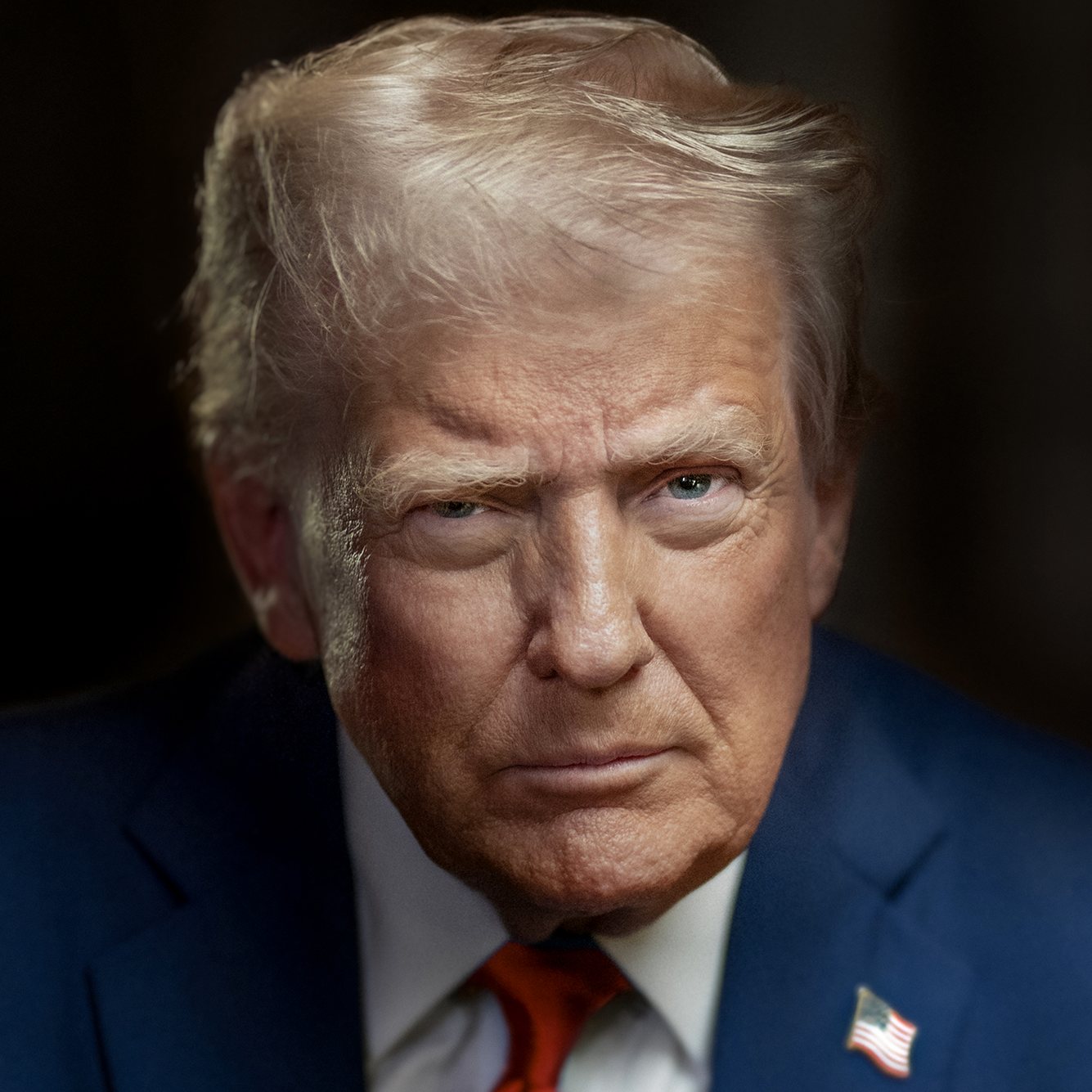
Democrats won control of both chambers of in Tuesday's elections. NPR reports that affordability was a top concern for voters, as and the war in Iran pushed up prices, including food. Democrats now say they will take on President Trump's tariffs as part of a pledge to lower the cost of living.
Forbes reports that their agenda also targets cuts and food prices, and that economists urge caution on fast relief. According to The Center Square, Democrats won at least 54 seats plus a House majority, with dozens of races still uncalled. A presidential veto can be overridden only with 67 Senate votes and 290 House votes, and the Center Square says no result in the remaining races gets Democrats there.
House Democratic Leader Hakeem Jeffries said on Nov. 4 that the party will "get out of the gate fast," but he did not address the veto. Sen. Ron Wyden, in line to chair the Finance Committee, said he would use it to reassert congressional authority over trade policy. Senate Democratic Leader Chuck Schumer's bill to end the tariffs has 29 cosponsors and has not moved since Sept. 14.
Congress returns Nov. 9.
- 67 votes in the Senate and 290 in the Houseneeded to override a presidential veto, per the Center SquareThe Center Square
- at least 54 Senate seatswon by Democrats, by the Center Square's reportingThe Center Square
- $173.2 billionnet customs duties in fiscal 2026, per the Treasury DepartmentThe Center Square
- $85.5 billion a yearestimated cost of repealing remaining tariffs, per the Committee for a Responsible Federal BudgetThe Center Square
- 29 cosponsorsbacking Schumer's End Trump's Tariff Tax ActThe Center Square
Three sides of the story
9 news outlets reported this
Tap a color or swipe sideways to switch sides.
Liberal5 outlets
Voters expect relief on grocery prices
NPR asks whether Democrats can lower grocery bills after their big midterm wins. It reports that affordability concerns were top of mind for voters, with tariffs and the war in Iran driving up prices, food costs included, and that Americans now expect relief from Washington.
Center2 outlets
Democrats' plan to attack tariffs and costs
The Hill reports that after "resounding victories" in the midterms, Democrats plan to confront the president's tariffs as one piece of their promise on living costs. Forbes describes an aggressive Democratic economic agenda aimed at tariffs, Medicaid cuts and food prices, and says economists urge caution on fast inflation relief. Its headline points to and Fed risks.
Conservative2 outlets
Democrats lack votes to override a veto
The Center Square opens with the claim that Democrats promised to end Trump's tariffs and that "The arithmetic says they cannot do it without Republican help." It counts the votes needed to override a veto and says no outcome in the remaining races gets Democrats there. It quotes Wyden, Jeffries, Schumer and Rep. Ted Lieu on the party's plans to cut costs and end the tariffs and notes that Jeffries did not address the veto and that neither Schumer's nor Wyden's office said how they would get past it.
It adds that Jeffries and Schumer have not said what would replace the revenue, and that refunds would go to importers, not shoppers. It cites figures, the Committee for a Responsible Federal Budget, the Tax Foundation and economist Phillip Magness, who says the courts remain the "most likely route" by which the Section 301 tariffs could be unwound or repealed before the next administration.
- The Center Square: Democrats can’t end Trump's tariffs without Republicans
Which side made the stronger case?
We will email you when the story continues. At most one email a day.
The Center Square cites two modeled estimates of what tariffs cost households: the Tax Foundation estimates they add an average of $820 in taxes per household in 2026, and the Budget Lab at Yale puts the burden at about $1,100. The Center Square also reports that refunds of tariff duties would go to importing companies, not to shoppers.
All sources: 9 articles from 9 outlets
Liberal (5)
- Business Insider: I attempted to make Aldi's under-$39 Thanksgiving dinner that serves 10 people
- CBS News: How ALDI is helping people save on this year's Thanksgiving grocery shopping
- NPR: Democrats won big. Can they lower your grocery bill?
- The Boston Globe: Despite Democrats’ sweeping midterm wins, Carney says Trump remains central to Canada-US trade talks
- The Independent: Canada's Mark Carney left with a dilemma after Trump's crushing midterms defeat
Center (2)
- Forbes: Democrats Have An Ambitious Affordability Plan—But Filibuster And Fed Risks Loom
- The Hill: Democrats won Congress. Can they actually stop Trump’s tariffs?
Conservative (2)
- Just the News: Democrats can’t end Trump's tariffs without Republicans
- The Center Square: Democrats can’t end Trump's tariffs without Republicans
The evening briefing by email
One email a day, around 8:30 p.m. New York time: the seven main stories, each with its three sides, and the blind spot of the day. Unsubscribe with one tap.
A Telegram channel is coming soon.