California Democrat Ro Khanna says his election-night DEI post was meant to be cheeky
NPR reports that some hope Democrats' midterm wins will ease the Trump administration's attacks on diversity initiatives known as DEI.
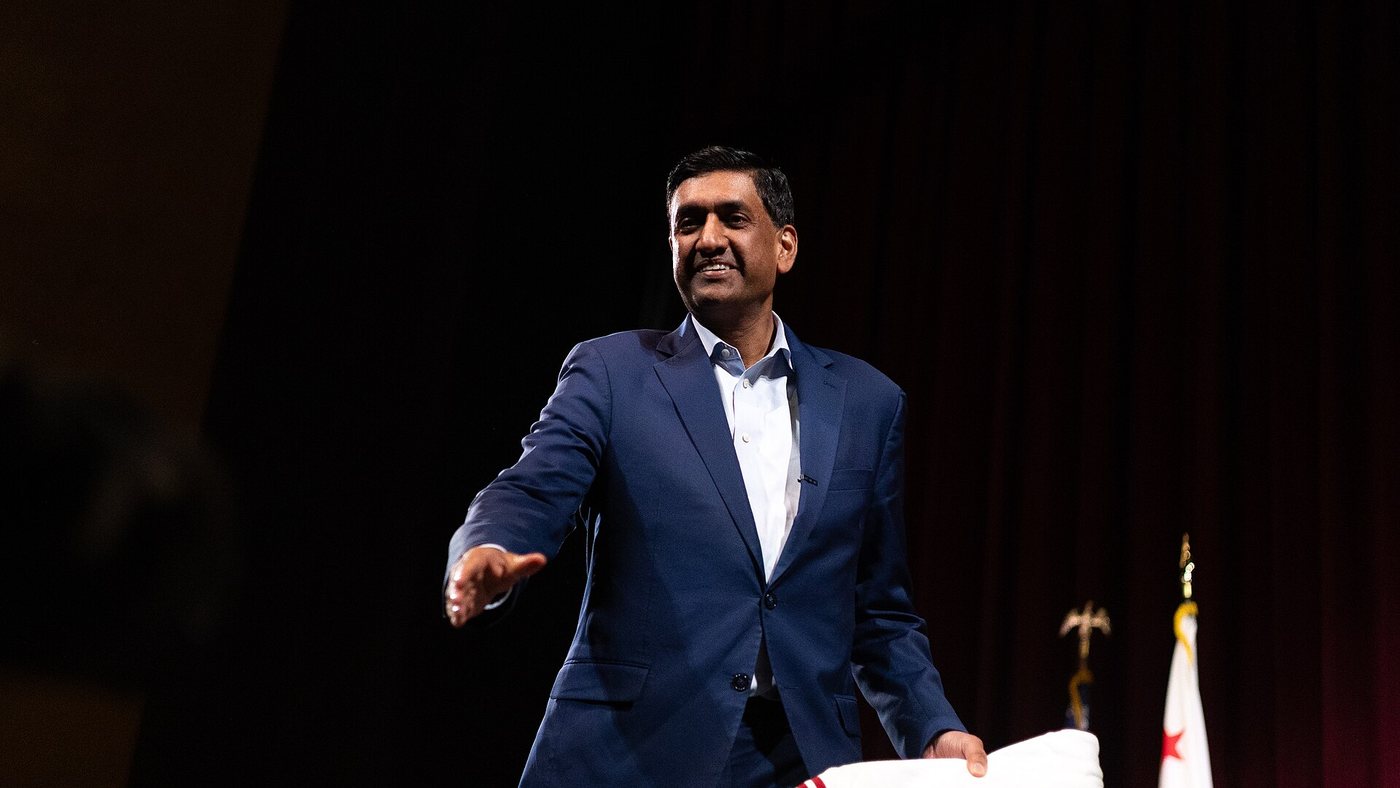
Rep. Ro Khanna, a California Democrat, posted a video on X early on Nov. 4, after the elections, saying: "Tonight, DEI is back as America celebrated diversity and inclusion." The Hill reports Khanna has since explained that the post was meant to be cheeky. His line came as Democrats won the midterms, and NPR reports that some hope the Trump administration's attacks on diversity initiatives will ease.
NPR says the administration has attacked those initiatives relentlessly. A Daily Signal column argues that the winners show America is not a racist nation, pointing to Black, Hispanic and Asian-ancestry candidates who won. The column says Khanna won a sixth term with 72.7% of the vote against Republican Ritesh Tandon, and that Democrat Scott Colom beat Republican Sen. Cindy Hyde-Smith in Mississippi, 49.3% to 48.6%, in a race not decided until Nov. 11.
It counts seven Black senators and five Black governors, both records, and says Black House members would fall from 61 to 59, with a dozen races still too close to call.
- 72.7% to 27.3%Khanna's sixth-term win over Ritesh Tandon, per The Daily Signal columnThe Daily Signal
- 49.3% to 48.6%Colom over Hyde-Smith in Mississippi, per the columnThe Daily Signal
- 61 to 59Black House members before and after Jan. 3, per the columnThe Daily Signal
- 55House members the Hispanic Caucus projects, up from 44, per the columnThe Daily Signal
- sevenBlack senators, called a record, per the columnThe Daily Signal
Three sides of the story
3 news outlets reported this
Tap a color or swipe sideways to switch sides.
Liberal1 outlet
Whether Democratic wins will ease attacks on DEI
NPR looks at what the Democrats' gains could mean for diversity programs, which it describes as under relentless attack from the Trump administration. It notes a Democratic congressman declared after the midterms that DEI is back, and reports that some hope the attacks will ease.
Center1 outlet
Khanna's explanation of his 'DEI is back' post
The Hill reports that Rep. Ro Khanna, a California Democrat, explained his Election Night post as meant to be cheeky. It quotes his video on X from early Nov. 4, in which he said DEI is back as America celebrated diversity and inclusion.
- The Hill: Khanna explains 'DEI is back' post
Conservative1 outlet
Election winners prove America is not racist
The Daily Signal runs a column headlined "Midterm Silver Lining: Voters Crush 'Racist Nation' Claims." It calls Khanna's "DEI is back" line "touchingly antiquated" and argues that the number of minority winners shows "no racist nation." The writer cites Khanna's 72.7% to 27.3% win, Juliana Stratton, who will succeed Illinois Sen. Dick Durbin, Scott Colom's narrow Mississippi win and five Black governors, including Byron Donalds as the first Black Republican elected governor, in Florida.
The column says Black House members will slip from 61 to 59 despite Democratic warnings about Republican , though a dozen races still too close to call could change that. It adds that the Congressional Hispanic Caucus projects a record 55 House members, pending recounts. The writer says Black and Hispanic Democrats will "most likely" push for "Big Government," while it expects Republicans Tim Scott and Donalds to back individual freedom and free-market policies.
- The Daily Signal: Midterm Silver Lining: Voters Crush ‘Racist Nation’ Claims
Which side made the stronger case?
We will email you when the story continues. At most one email a day.
All sources: 3 articles from 3 outlets
Liberal (1)
Center (1)
- The Hill: Khanna explains 'DEI is back' post
Conservative (1)
- The Daily Signal: Midterm Silver Lining: Voters Crush ‘Racist Nation’ Claims
The evening briefing by email
One email a day, around 8:30 p.m. New York time: the seven main stories, each with its three sides, and the blind spot of the day. Unsubscribe with one tap.
A Telegram channel is coming soon.