Democrats win control of both House and Senate in US midterm elections
Democrats take power in January with investigative committees and a say over Senate confirmations, but Trump told a podcast he will veto everything.
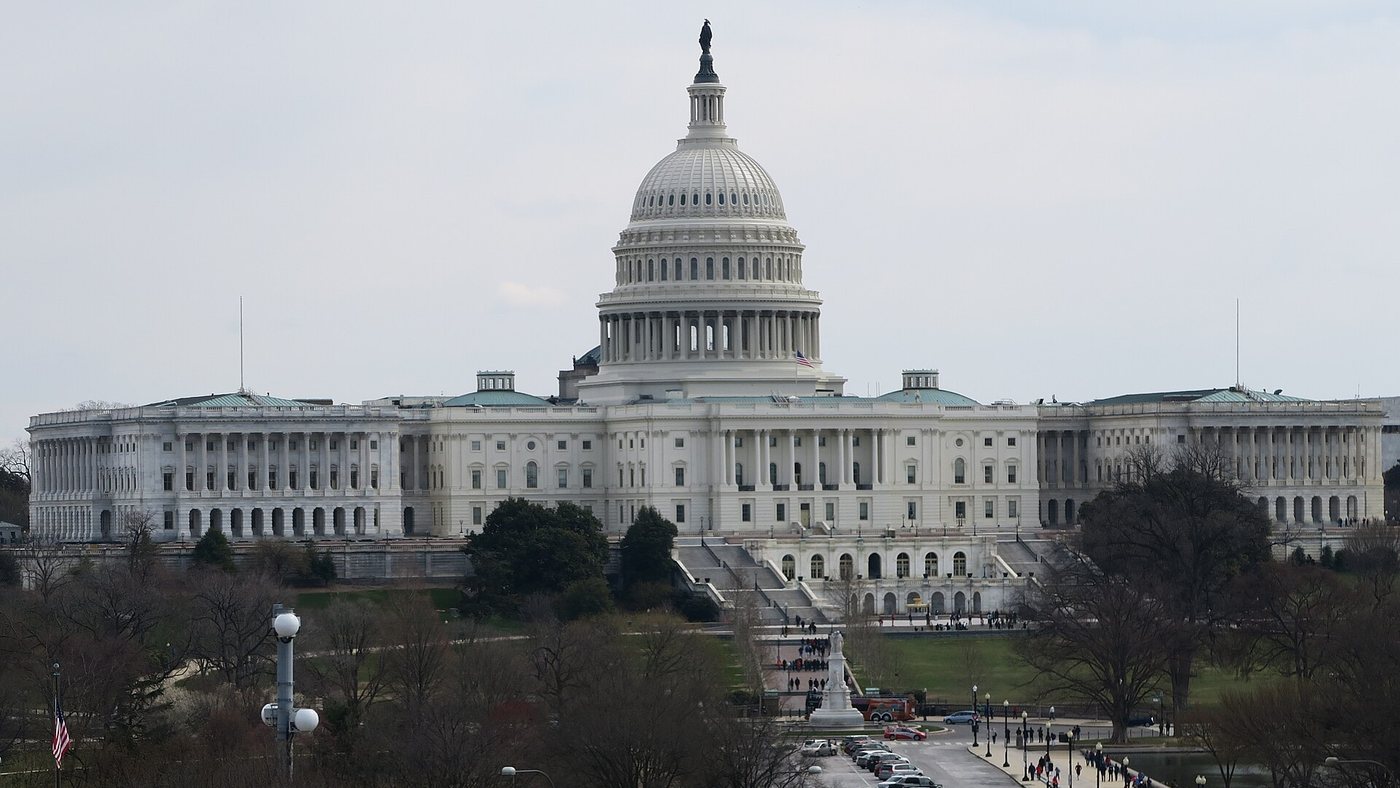
Democrats won control of both and the in the US elections on Tuesday, Nov. 3, and they take over in January. The party campaigned on lowering the cost of living, ending the war on Iran, holding President Donald Trump accountable and resisting his immigration crackdown. Most Senate bills need 60 votes to clear a , and Trump can veto what passes.
He told a podcast on Monday, "I'll veto everything." Democrats will gain control of committees that can open investigations, plus power over Senate confirmations. Slate says Democrats are projected to hold 250 or more of the 435 House seats.
Trump told reporters he is "not even a little bit" worried about a third . Semafor reports Trump told the Financial Times he has no immediate plans for a strike on Iran. Republican Rep. Thomas Massie says he intends to try forcing a House vote on impeaching Defense Secretary Pete Hegseth once the outgoing is back in session.
The Washington Times reports Democrats plan quick January votes to reverse healthcare cuts, end the Iran war and repeal . US-Canada Trade Minister Dominic LeBlanc said the results will not change anything in the short term.
- at least 250 of the 435 seats projected Democratic House seats, per Slate — Slate
- 60 votes needed for most Senate bills to get past a filibuster — Al Jazeera English
- about 70% voters who felt Congress was not checking the president enough, in an AP survey — Deutsche Welle
- At least five DSA-endorsed candidates elected to the House — Deutsche Welle
Three sides of the story
Liberal11 outlets
Democrats' new powers and limits against Trump
Al Jazeera asks whether Democrats can deliver on their promises and answers through experts. Economist Dean Baker says pushing to end the Iran war could ease costs, and Alex Jacquez says committee subpoenas could pressure companies, though "Prices are like rockets and feathers." Laura Blessing of Georgetown's Government Affairs Institute expects investigations to draw the most action from Democrats.
Slate calls the result a "blue tsunami" and says high prices came from Trump's tariffs and his war on Iran. It points to the 1973 Vietnam funding cutoff as a model for Iran, says Trump's $1.5 trillion defense budget is "dead on arrival," and turns to Hegseth's future, citing Vance's post that "The reason we lost is the war." Semafor says the defeat sharply limits Trump's domestic power and makes a foreign policy focus more likely, with Europe fearing a frustrated president.
The New York Times describes commentators abroad wondering what the losses mean for oil prices, the Iran war and the end of the Trump era.
Center6 outlets
What the Democratic win means abroad
Deutsche Welle gives five takeaways, opening with "US democracy is alive and well," and cites an AP survey in which about 70% of voters felt Congress was not doing enough to check the president. It notes a Democratic Senate win in Kansas, the first since 1932, and at least five DSA-endorsed House winners, and expects a Republican fight over the party's future. BBC News frames the result through Canada.
Ontario Premier Doug Ford says "I was doing cartwheels down the street," while LeBlanc says the results change nothing in the short term. BBC adds that Trump's tariffs were largely set by executive order and that he touted his veto power on Fox News. Newsweek asks what a Democratic Congress would mean for Ukraine, quoting Matthew Arnold of LSE IDEAS that Trump's team has "the prerogative to set U.S. policy toward Ukraine."
The Wall Street Journal's news report sets out how the new House and Senate majorities could affect Trump's main policies, from Iran to trade.
- Deutsche Welle: Winners, losers, the EU: Five takeaways from the US midterms
- BBC News: US midterm results a 'victory' for Canadians hopeful of tariff relief
- Newsweek: How the Midterms Could Reshape the Ukraine War: What’s at Stake
- The Wall Street Journal (news): What a Democratic Congress Means for Trump’s Foreign-Policy Agenda
Conservative2 outlets
Democratic win offers Ukraine uncertain support
The Washington Examiner leads with Ukraine. The Democrats' victory "might seem like a counterbalance" to Trump's animosity toward Kyiv, it writes, but renewed US support is not necessarily coming. Ostap Yarysh of Razom for Ukraine says he is troubled that fewer of the "leaders, the champions" of Ukraine support will remain in the next Congress.
The Examiner itself reports that Rep. Brian Fitzpatrick, co-chair of the House Ukraine Caucus, lost his race, Rep. Don Bacon stepped down, and Steny Hoyer, Nancy Pelosi and Dick Durbin have retired. It also quotes Almut Möller of the European Policy Center, who wrote in a post-election report that "A wounded president is likely to lash out at home." The Washington Times reports that the Democrats' January agenda includes early votes to repeal the tariffs, end the Iran war and undo Republican healthcare cuts.
Its Inside the Ring column says Democrats are expected to cut or cancel many Trump administration defense programs and policies, among the most immediate effects of the takeover.
- Washington Examiner: Midterm upheaval of Congress provides little reassurance for Ukraine as ‘nucleus’ of support is ousted or steps down
- The Washington Times: Democrats' agenda: Reverse Trump policies, lower costs and fight corruption
- The Washington Times: Inside the Ring: Democrat Congress likely to target Trump defense plans
Which side made the stronger case?
Democrats do not take control until January. Economist Dean Baker told Al Jazeera they could try to restore enhanced Affordable Care Act subsidies, which expired in 2025, by attaching them to government spending bills. Alex Jacquez of Groundwork Collaborative said prices "come down like feathers" after they rise. BBC reports tariff relief for Canada is unlikely any time soon.
All sources: 30 articles from 19 outlets
Liberal (18)
- Al Jazeera English: Democrats won Congress. But can they deliver on their promises?
- Al Jazeera English: How US midterm results could reshape Trump’s foreign policy
- Al Jazeera English: Can Democrats stop Iran war, reverse Trump’s tariffs after midterms win?
- Al Jazeera English: Why Democrats may struggle to rein in Trump’s foreign policy
- CBS News: President Trump reacts to Democrats winning the House and Senate
- HuffPost: World Leaders Who Sparred With Trump Express Relief And Caution At GOP Wipeout
- Los Angeles Times: 'Lawyer up': Democrats seize Congress, plot ways to rein in Trump
- MS NOW: Three places where Trump’s post-election foreign policy could ramp up (opinion)
- PBS NewsHour: World leaders who sparred with Trump express mix of relief, caution at GOP election rout
- Semafor: Trump likely to focus on foreign policy following midterm defeat
- Slate: What the Blue Tsunami Means for the Iran War—and for Pete Hegseth
- The Boston Globe: Little sympathy or silence: How the world reacted to Trump’s midterm defeat
- The Boston Globe: How the world reacted to Trump’s midterm defeat: Six things to know
- The Boston Globe: World leaders who sparred with Trump express relief mixed with caution at Republican election rout
- Yahoo News: World leaders who sparred with Trump express relief mixed with caution at midterms
Center (7)
- BBC News: US midterm results a 'victory' for Canadians hopeful of tariff relief
- Deutsche Welle: Winners, losers, the EU: Five takeaways from the US midterms
- Deutsche Welle: What US midterm elections mean for Ukraine, Iran and elsewhere
- Forbes: Taking These Steps Trump Could Cement A Stellar Foreign Policy Legacy
- Newsweek: How the Midterms Could Reshape the Ukraine War: What’s at Stake
- The Seattle Times: World leaders who sparred with Trump express relief mixed with caution at Republican election rout
- The Wall Street Journal (news): What a Democratic Congress Means for Trump’s Foreign-Policy Agenda
Conservative (5)
- The Washington Times: Democrats' agenda: Reverse Trump policies, lower costs and fight corruption
- The Washington Times: Inside the Ring: Democrat Congress likely to target Trump defense plans
- The Washington Times: World leaders who sparred with Trump express relief mixed with caution at Republican election rout
- The Washington Times: Voters hand Democrats Congress, leaving Trump a reshaped Washington for his last two years
- Washington Examiner: Midterm upheaval of Congress provides little reassurance for Ukraine as ‘nucleus’ of support is ousted or steps down
The morning edition by email
One email a day: the three main stories, each with its three sides. No ads. Unsubscribe with one tap.
A Telegram channel is coming soon.